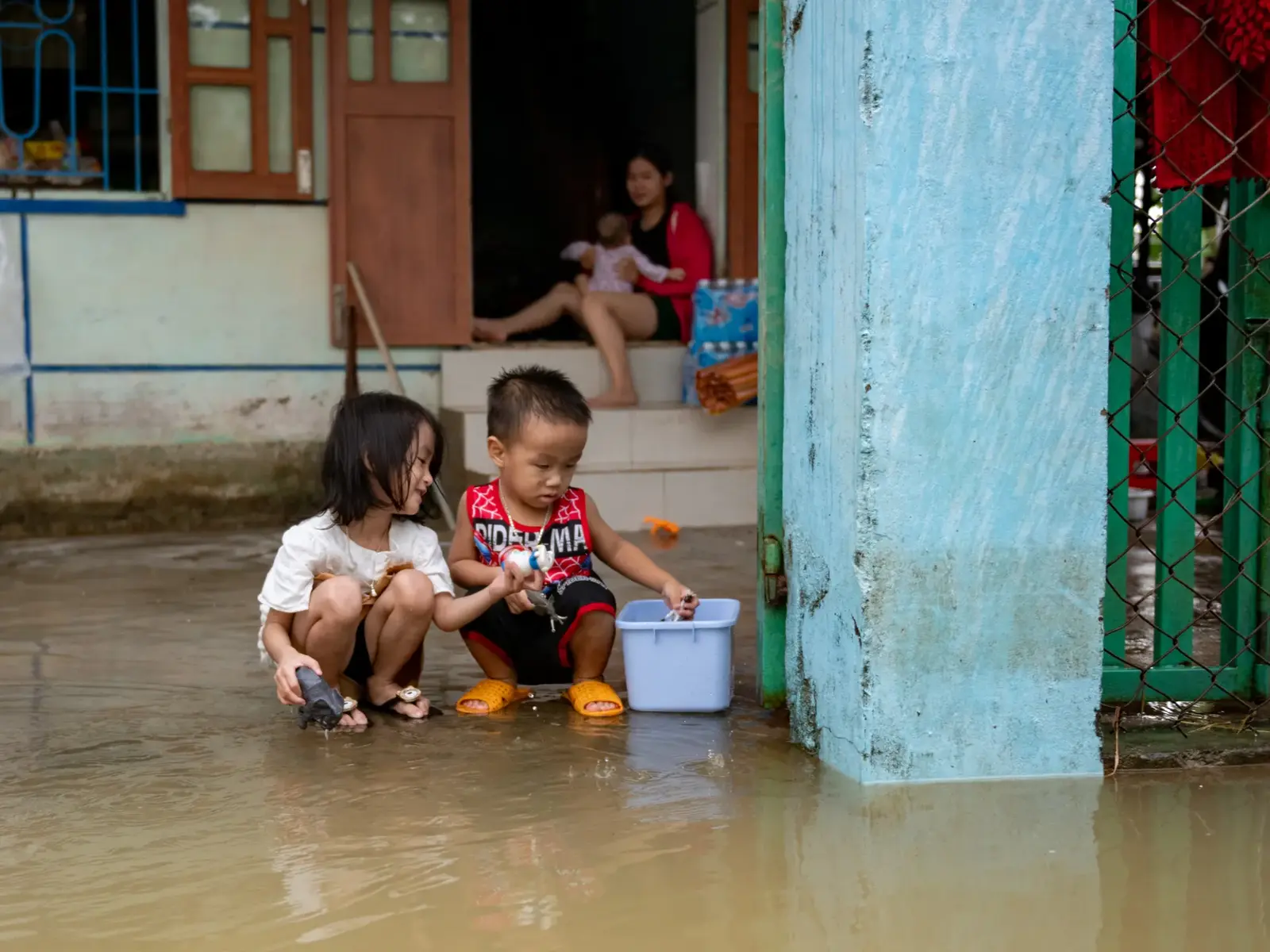
Gendered impacts of environmental shocks
A new report from the United Nations Children's Fund reveals that climate-related disruptions affected one in every ten students worldwide during the 2025 academic year. The analysis covers learners ranging from pre-primary levels through upper secondary education. This significant interruption highlights the growing intersection of environmental instability and global schooling systems. The findings underscore a pressing need for adaptive strategies in educational planning across diverse regions.
Latest news
 Swedish Voters Choose New Parliament as Left-Wing Coalition Projects to Win Majority
 Trump Announces End of US Tariff on Irish Whisky
 Frances Stonor Saunders, Author of CIA Cultural Espionage Exposé, Dies at 66
 Israel and Lebanon to Hold Security Talks in Rome This October
The study examined data from 106 countries and territories to compile this comprehensive overview. UNICEF found that more than 171 million students experienced some form of educational disruption. These interruptions were not evenly distributed among all demographics. Girls faced a disproportionate burden compared to their male counterparts. This gender gap suggests that climate shocks exacerbate existing inequalities in access to learning opportunities.
The data indicates that female students suffered higher rates of interruption than males. This disparity complicates efforts to achieve parity in educational outcomes. When schools close or become inaccessible, girls are often the first to lose time in the classroom. The report emphasizes that these losses can have long-term effects on future economic participation. Families may prioritize boys' education when resources are scarce due to weather events. Consequently, the cycle of disadvantage persists for many young women in vulnerable communities.
How do specific hazards affect attendance?
The mechanisms behind these disruptions vary by region and hazard type. Floods, droughts, and extreme heat waves all play roles in closing schools. Infrastructure damage forces temporary relocations or extended breaks. Teachers may also be unable to reach remote classrooms during severe weather. Digital learning alternatives often fail without reliable electricity or internet connectivity. These compounded challenges make it difficult for students to maintain consistent progress throughout the year.
Different climate events trigger distinct patterns of school closure. Heavy rainfall causes immediate flooding that damages buildings and grounds. Droughts affect water supply, forcing schools to limit hours or close entirely. Heatwaves reduce safe outdoor activity times and increase health risks indoors. Each scenario requires different logistical responses from local authorities. The report notes that preparedness varies significantly between wealthy and poorer nations. Richer countries often have robust infrastructure that withstands moderate climate events better. Poorer nations lack these buffers, leading to longer and more frequent closures.
The financial cost of these interruptions is substantial for families. Parents must often take time off work to care for children during closures. This loss of income creates additional stress for households already strained by climate impacts. Students who miss critical instructional time may fall behind in core subjects. Remedial classes are not always available after a disaster strikes. The cumulative effect is a widening achievement gap between students in stable areas and those in hazard-prone zones.
Frequently Asked Questions
Looking ahead, the trend appears likely to worsen without targeted intervention. Climate models predict more frequent and intense extreme weather events in the coming decades. Educational systems must integrate climate resilience into their core planning processes. Policymakers need to invest in flood-resistant infrastructure and flexible curricula. Teacher training programs should include strategies for rapid recovery after disruptions. International aid organizations must prioritize funding for school resilience in vulnerable regions. Without these changes, the proportion of affected students could rise significantly. The goal is to ensure that no child loses their right to education simply because of a changing climate.
How many students were affected by climate hazards in 2025? More than 171 million students globally experienced educational interruptions. This figure represents approximately one in ten students from pre-primary to upper secondary levels.
Which gender was more impacted by these disruptions? Girls were disproportionately affected compared to boys. The report highlights that female students faced higher rates of interruption, deepening existing gender gaps in education.