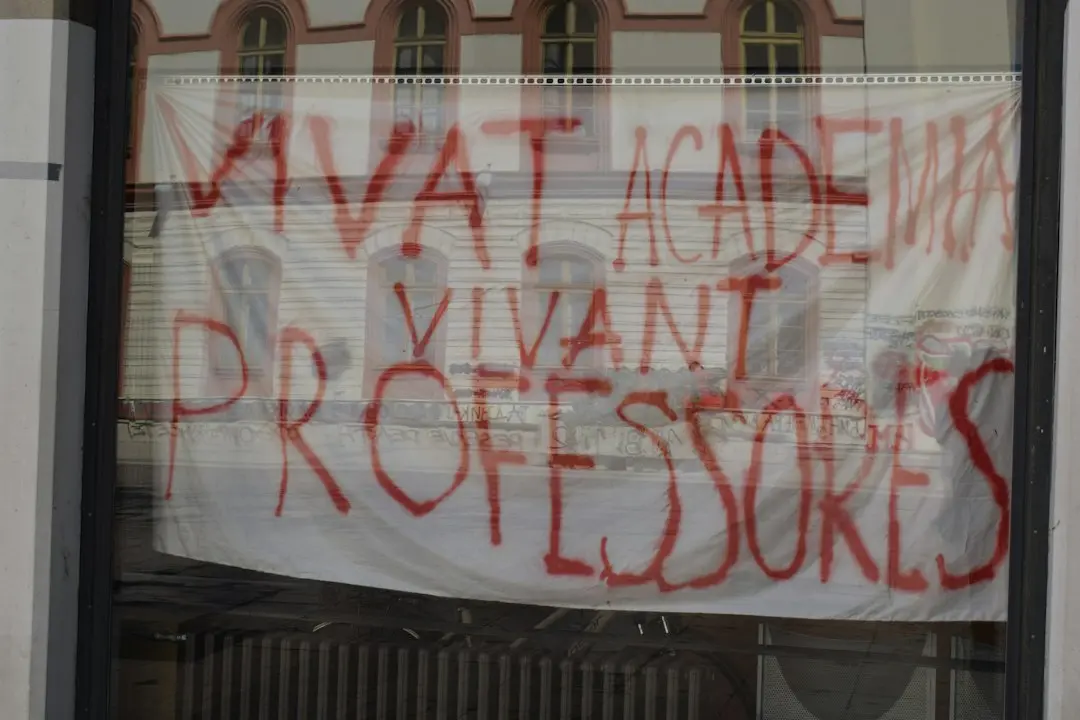
Protests Erupt Outside International Offices
A wave of anti-migrant protests is drastically altering daily life for sub-Saharan individuals living in volatile conditions across the Libyan capital. Recent demonstrations outside the International Organization for Migration offices in Tripoli highlight escalating local demands for immediate action against irregular foreign nationals residing in the region.
Latest news
 The Kingmakers of Israeli Politics
 Spain's pension system faces growing financial pressure despite not being bankrupt
 Israeli blockade prevents access to vital care for Gaza's amputees
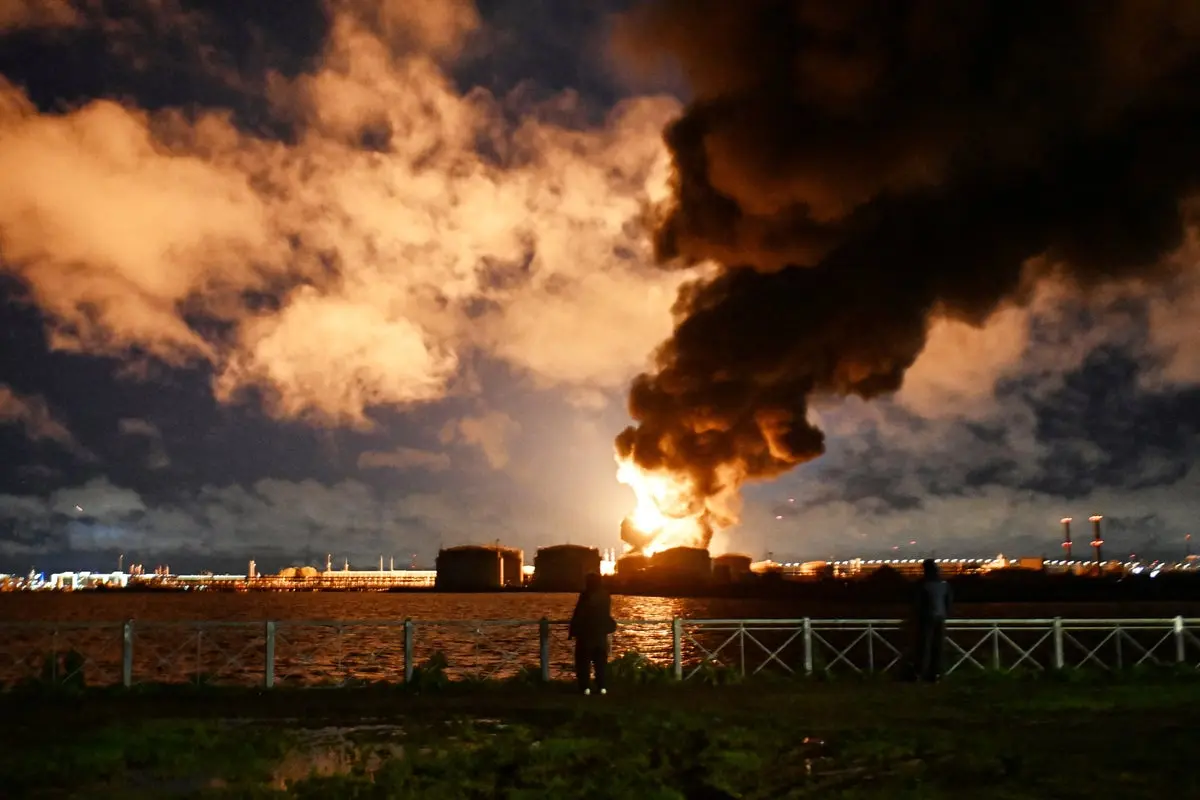 Ukraine Launches Massive Drone Assault on Russia, Incendiary Attacks Ignite Petrochemical Sites
The current unrest stems from a dangerous mix of deep-seated racism and widespread conspiracy theories regarding international resettlement plans. Many local residents fear that foreign populations are being permanently integrated into Libyan society, triggering aggressive public pushback. These tensions have left thousands of vulnerable migrants trapped in an atmosphere of intense fear and uncertainty.
Are International Agencies Losing Control of the Crisis?
Demonstrators gathered in large numbers near the United Nations migration agency headquarters to voice their grievances. Protesters demanded stricter measures to curb irregular migration and questioned the long-term intentions of foreign organizations operating within the country. This public outcry reflects growing frustration among citizens who feel overwhelmed by demographic shifts and economic instability.
Life for sub-Saharan residents in Tripoli has become increasingly precarious amid this hostile climate. Many individuals now avoid leaving their homes unless absolutely necessary, fearing verbal abuse, harassment, or physical violence on the streets. Humanitarian workers report that access to basic services has also deteriorated as fear paralyzes the migrant community.
The escalating friction poses major operational challenges for humanitarian missions trying to assist stranded populations in North Africa. Relief organizations struggle to maintain safety protocols while navigating an increasingly hostile political and social environment. Local authorities face mounting pressure to balance public security concerns with their international human obligations.
Frequently Asked Questions
Without meaningful intervention or clear communication from leaders, the situation threatens to deteriorate further. The ongoing spread of conspiracy theories continues to inflame public anger, leaving both migrants and aid workers at ongoing risk. The future remains grim for those who sought safety in Libya only to find themselves caught in a cycle of xenophobia and social unrest.
Q: Where did the main demonstrations take place? A: Protesters gathered directly outside the offices of the International Organization for Migration located in the Libyan capital.