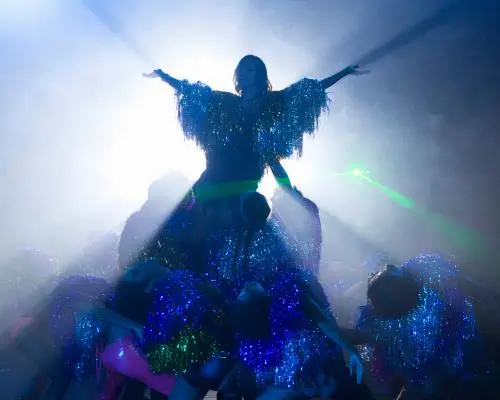
The Art of Intimate Storytelling
Sebastián Lelio, the Chilean director behind acclaimed films such as Gloria and A Fantastic Woman , has become a defining voice in contemporary Latin American cinema. His work blends lyrical storytelling with sharp social commentary, capturing the complexities of Chilean life and resonating with audiences worldwide.
Latest news
 Democrats Promise to Block Trump’s Attempt to Seat a Conservative Justice
 The obituary of Andy King
 Trump withdraws in renewal while Melania takes Ukraine's diplomacy
 Houthi Rebels and Yemen’s Government Trade Blame Over Deadly Taiz Market Strike
Lelio’s career has unfolded against the backdrop of Chile’s vibrant film renaissance over the past two decades. Alongside peers like Pablo Larraín, Patricio Guzmán, and Sebastián Silva, he has helped shape the New Chilean Cinema movement, bringing stories of personal struggle and national identity to global screens. His films often explore intimate human experiences while reflecting broader societal shifts, earning him critical acclaim and international awards.
How Lelio’s Films Reflect Chile’s Social Landscape
Lelio’s signature style is rooted in a deep commitment to character-driven narratives. In Gloria , he follows a 50‑year‑old woman navigating love and loss in Santiago, using subtle humor and quiet moments to reveal her inner world. The film’s success highlighted Lelio’s ability to turn everyday life into a compelling cinematic experience. Critics praised his nuanced direction, noting how he balances humor with pathos without resorting to melodrama.
In A Fantastic Woman , Lelio tackles gender identity with sensitivity and courage. The story centers on a transgender woman who faces discrimination after her partner’s death. Lelio’s respectful portrayal earned the film an Academy Award for Best Foreign Language Film, marking a historic moment for LGBTQ representation in cinema. His approach—grounded in empathy and authenticity—has set a new standard for storytelling about marginalized communities.
What Lies Ahead for Chilean Cinema?
Chile’s recent history of political upheaval and social change provides a rich backdrop for Lelio’s work. He often weaves themes of resilience, inequality, and hope into his narratives. For instance, Gloria subtly references the economic disparities that shape everyday life in Santiago, while A Fantastic Woman confronts the legal and cultural challenges faced by transgender individuals. By focusing on personal stories, Lelio invites viewers to consider larger societal issues through a human lens.
Lelio’s collaboration with talented actors and writers further enhances his films’ authenticity. He frequently works with local talent, ensuring that performances remain grounded in Chilean culture. This partnership has helped his movies achieve both artistic depth and broad appeal, bridging the gap between local storytelling and international audiences.
As Chile continues to evolve, filmmakers like Lelio are poised to explore new themes and formats. The growing support for independent cinema, coupled with digital distribution platforms, offers opportunities for wider reach. Lelio’s upcoming projects are expected to push creative boundaries while maintaining the emotional resonance that defines his earlier work.
Frequently Asked Questions
The international success of Chilean directors has also opened doors for emerging filmmakers. Film festivals now spotlight Latin American talent, and funding bodies are increasingly investing in regional projects. This momentum suggests a bright future for Chile’s cinematic voice on the global stage.
Q: How has A Fantastic Woman impacted LGBTQ representation in cinema? A: The film’s respectful portrayal of a transgender protagonist earned an Academy Award, raising visibility and setting a new benchmark for authentic LGBTQ narratives.