Impact on regional military readiness
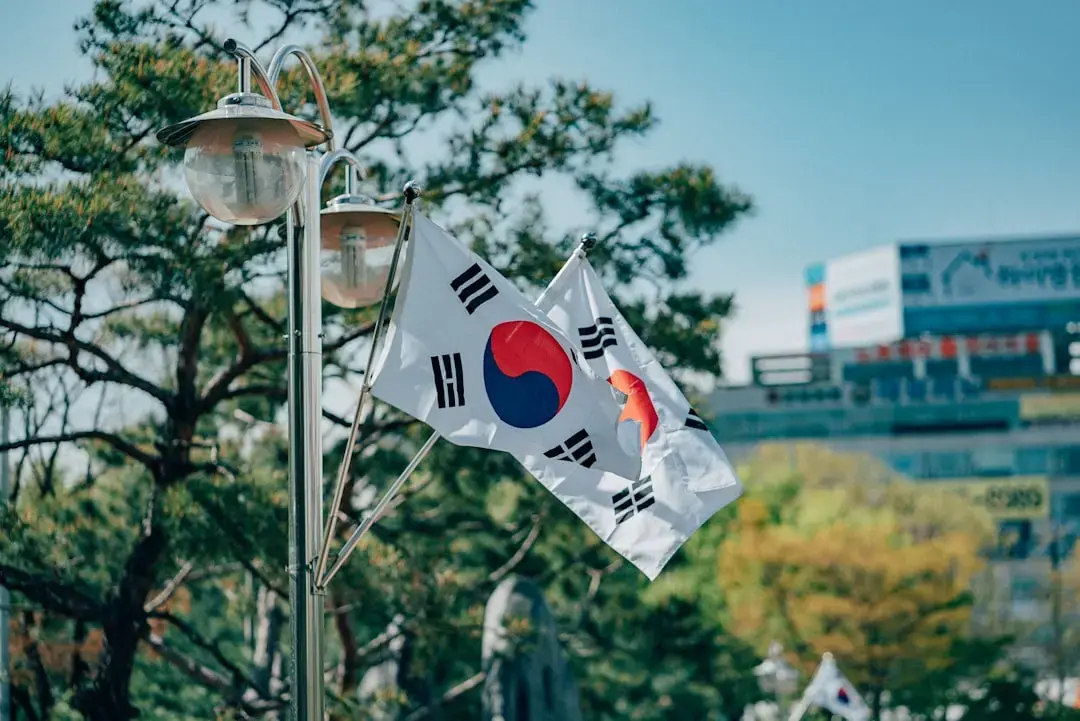
South Korea announced that the United States has cancelled planned joint marine exercises, citing rising tensions related to Iran's military activities. The decision follows a surprise directive from former President Donald Trump last week to scale back a separate annual military drill. Officials in Seoul confirmed the cancellation via social media, noting it affects upcoming naval coordination efforts between the two allies. The move underscores shifting priorities in US military engagement in the region.
Latest news
 Swedish Voters Choose New Parliament as Left-Wing Coalition Projects to Win Majority
 Trump Announces End of US Tariff on Irish Whisky
 Frances Stonor Saunders, Author of CIA Cultural Espionage Exposé, Dies at 66
 Israel and Lebanon to Hold Security Talks in Rome This October
The cancellation comes amid heightened geopolitical strain, particularly surrounding Iran’s naval presence and regional influence. Trump’s order to reduce the scale of routine exercises signaled a broader reassessment of overseas military commitments. South Korean defense analysts noted that while the drills were not large-scale, they played a role in maintaining interoperability between US and South Korean naval forces. The timing suggests Washington is recalibrating its focus toward potential flashpoints in the Middle East, even as it maintains a security umbrella over East Asia.
How might this affect US alliances in Asia?
Defense experts in South Korea expressed concern that repeated cancellations could erode the readiness of allied forces. Joint exercises, even smaller ones, help synchronize communication protocols and tactical responses during crises. One analyst warned that consistent reductions might create gaps in preparedness, especially if North Korea seeks to exploit perceived weaknesses. Seoul has not announced plans to replace the drills with alternative training, leaving a temporary void in bilateral maritime coordination.
The decision raises questions about the reliability of US security commitments to its Asian partners. While the US maintains a significant troop presence in South Korea, the cancellation of joint activities may be interpreted as a signal of declining engagement. Allies could begin to hedge their bets by strengthening ties with other powers or investing more in independent defense capabilities. Trust in long-term partnerships may face strain if such adjustments become routine without clear consultation.
Frequently Asked Questions
Why did the US cancel the joint marine exercises with South Korea? The cancellation followed a directive from former President Donald Trump to scale back a separate annual military exercise, reflecting a broader reassessment of overseas military commitments amid rising tensions related to Iran.
Does this mean the US is reducing its military presence in South Korea? No, the US has not announced any reduction in troop levels or base operations in South Korea; the cancellation applies only to specific joint training activities, not the overall security alliance.