A Slogan With Heavy Historical Baggage
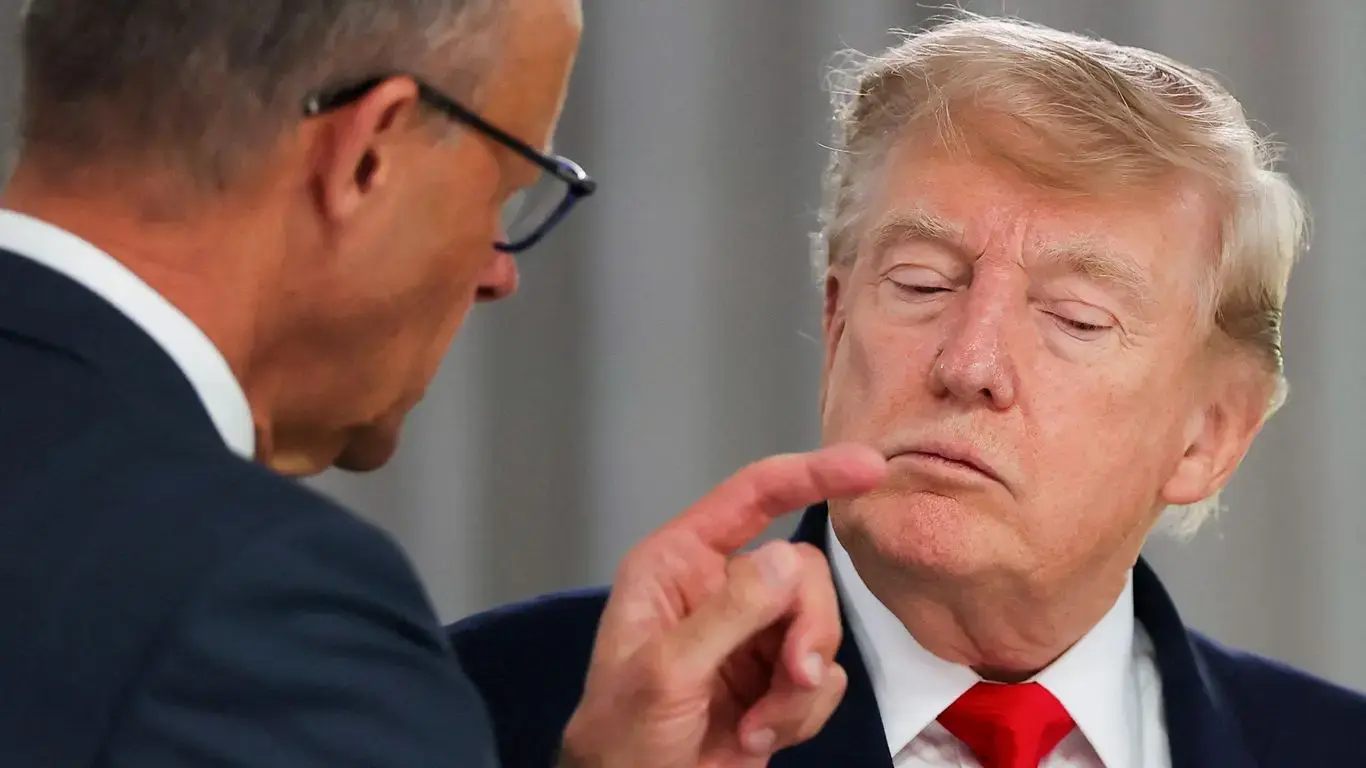
President Donald Trump invoked the slogan „Make Germany Great Again” during a Tuesday speech to celebrate the nation’s industrial resurgence. The remark immediately resonated with German political circles, sparking intense debate about national identity. Critics argued that the phrase carries heavy historical weight for a country still processing its twentieth-century trauma. Supporters, however, viewed the nod as a sign of renewed American commitment to the transatlantic partnership. The comment highlighted the complex dynamics between the two allies today.
Latest news
 Swedish Voters Choose New Parliament as Left-Wing Coalition Projects to Win Majority
 Trump Announces End of US Tariff on Irish Whisky
 Frances Stonor Saunders, Author of CIA Cultural Espionage Exposé, Dies at 66
 Israel and Lebanon to Hold Security Talks in Rome This October
The acronym MGGA quickly became a focal point for German media analysis. Many Germans associate the concept of restoring national greatness with the era of the Third Reich. This association creates an uncomfortable layer beneath the surface of current diplomatic relations. While the United States often uses such phrases casually, they land differently in Berlin. The country has spent decades carefully crafting a post-war identity focused on humility and integration. Trump’s usage suggests a shift toward a more assertive view of German power. This approach clashes with the traditional German preference for understatement in international affairs. Some analysts noted that the phrase might appeal to nationalist factions within Germany. It could energize those who feel the country has been too quiet on the world stage.
Does Nostalgia Drive Modern Policy Choices?
The reaction to the slogan reveals a deeper cultural divide. For many in Europe, nostalgia for a powerful Germany is a sensitive subject. It often triggers memories of aggressive expansionism and conflict. Yet, current economic realities force a reevaluation of this stance. Germany faces significant challenges in maintaining its status as an economic engine. High energy costs and demographic shifts have slowed growth. Trump’s endorsement of German greatness may serve as a political tool. It signals that Washington wants a stronger partner in Europe. This dynamic forces Berlin to balance its historical caution with modern strategic needs. The phrase acts as a catalyst for discussing how much power Germany should wield. It moves the conversation beyond simple trade agreements into broader geopolitical spheres.
Navigating the New Transatlantic Landscape
The implications of this rhetorical shift extend beyond a single speech. It sets a tone for future interactions between Washington and Berlin. German leaders must now decide how to respond to such bold language. They can either embrace the narrative of strength or push back with diplomatic nuance. The outcome will influence trade negotiations and security commitments. As both nations navigate changing global powers, the language used matters. It shapes public opinion and political will on both sides of the Atlantic. The next few months will test whether this slogan leads to concrete action or remains a talking point.
Frequently Asked Questions
Why did Trump use the phrase „Make Germany Great Again”? Trump used the phrase to emphasize his support for Germany’s economic recovery. He aimed to signal a strong partnership between the US and Germany. The slogan mirrors his own campaign messaging style.
How do Germans generally react to this type of rhetoric? Reactions are mixed, with many finding it historically charged. Some see it as empowering, while others worry about nationalist undertones. The phrase triggers debates about Germany’s role in European history.