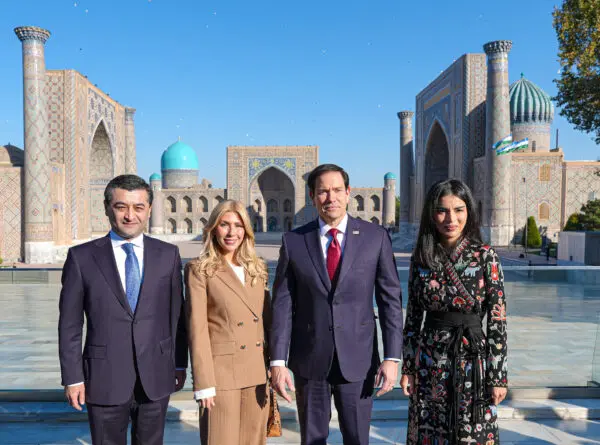
A Diplomatic Spat Over Digital Diplomacy
Tashkent has summoned the Iranian ambassador to formally protest a series of social media posts by Iranian diplomatic missions. The posts criticized U. S. Secretary of State Marco Rubio following his visit to Samarkand. Uzbekistan’s Foreign Ministry issued a diplomatic note on October 23.
Latest news
 Trump Praises Quebec Separatist Premier Amidst Trade Tensions
 Spain Deports Migrants from Ceuta, Drawing Sharp Criticism from Rights Groups
 Federal Agents Raid Beverly Hills Home Tied to Eric Swalwell Probe
 Oriel College Told to Cancel Nathan Cofnas Event After Jason Arday's Death
The Iranian missions targeted Rubio’s recent trip to Uzbekistan. The posts framed the visit as a strategic move against Tehran. Tashkent views this as an unwelcome intrusion into a bilateral matter. The protest note demands restraint in diplomatic communications.
Iranian embassies increasingly use social media to project power. This digital front line blurs traditional diplomatic channels. Uzbekistan, caught between the two powers, seeks to preserve neutrality. The country does not want to be dragged into a public feud. The ambassadorial summons signals Tashkent’s discomfort with being a battleground.
Why Is Tashkent So Upset?
The posts referenced Rubio’s Samarkand stop. Iranian diplomats framed the visit as a U. S. attempt to deepen influence in Central Asia. Tashkent objects to being used as a rhetorical weapon. The protest note asks Iranian missions to tone down their language.
Uzbekistan has historically balanced relations with both Tehran and Washington. The Iranian posts risked tilting the balance. By summoning the ambassador, Tashkent asserts its right to diplomatic courtesy. The move protects Uzbekistan’s non-aligned stance. It also sets a precedent for handling digital diplomacy disputes.
The incident highlights a growing trend: state actors using social platforms for geopolitical messaging. Traditional diplomacy is being supplemented—and sometimes undermined—by public posts. Uzbekistan’s response shows smaller states asserting themselves against louder digital voices. The protest note is a formal, documented step. It preserves Tashkent’s neutrality while signaling that digital sniping has real diplomatic consequences.
Frequently Asked Questions
Why did Uzbekistan summon the Iranian ambassador? Tashkent objected to Iranian missions’ social media posts criticizing U. S. Secretary Rubio after his Samarkand visit. The summons was a formal protest to protect Uzbekistan’s neutral stance.
What did the Iranian posts say about Rubio? The posts framed Rubio’s visit as a U. S. strategic move against Iran. They used the Samarkand stop as a reference point for their criticism.
How does this affect Uzbekistan’s foreign policy? The incident reinforces Tashkent’s need to stay balanced between Tehran and Washington. The protest note asserts Uzbekistan’s right to diplomatic courtesy in digital spaces.