How Saudi Defenses Are Adapting to Evolving Threats
Yemen’s Houthi rebels intensified attacks on Saudi Arabian oil infrastructure over the past week, launching drones and missiles targeting facilities in the kingdom’s eastern province. The assaults, which began on September 11, 2026, disrupted production at key sites including the Abqaiq processing plant and raised immediate concerns about global energy supplies. Saudi officials confirmed temporary output reductions while asserting that defenses intercepted most incoming threats. The escalation marks a significant shift in the Houthis’ capability to project power beyond Yemen’s borders.
Latest news
 Houthi Leader Denies Drone Attack on Mecca
 Palestinian officials barred from UN gathering as US extends visa curbs
 Slovak Prime Minister Robert Fico questions NATO's mutual defense commitment
 China’s Fiscal Pullback Stretches Into August as Spending Slumps
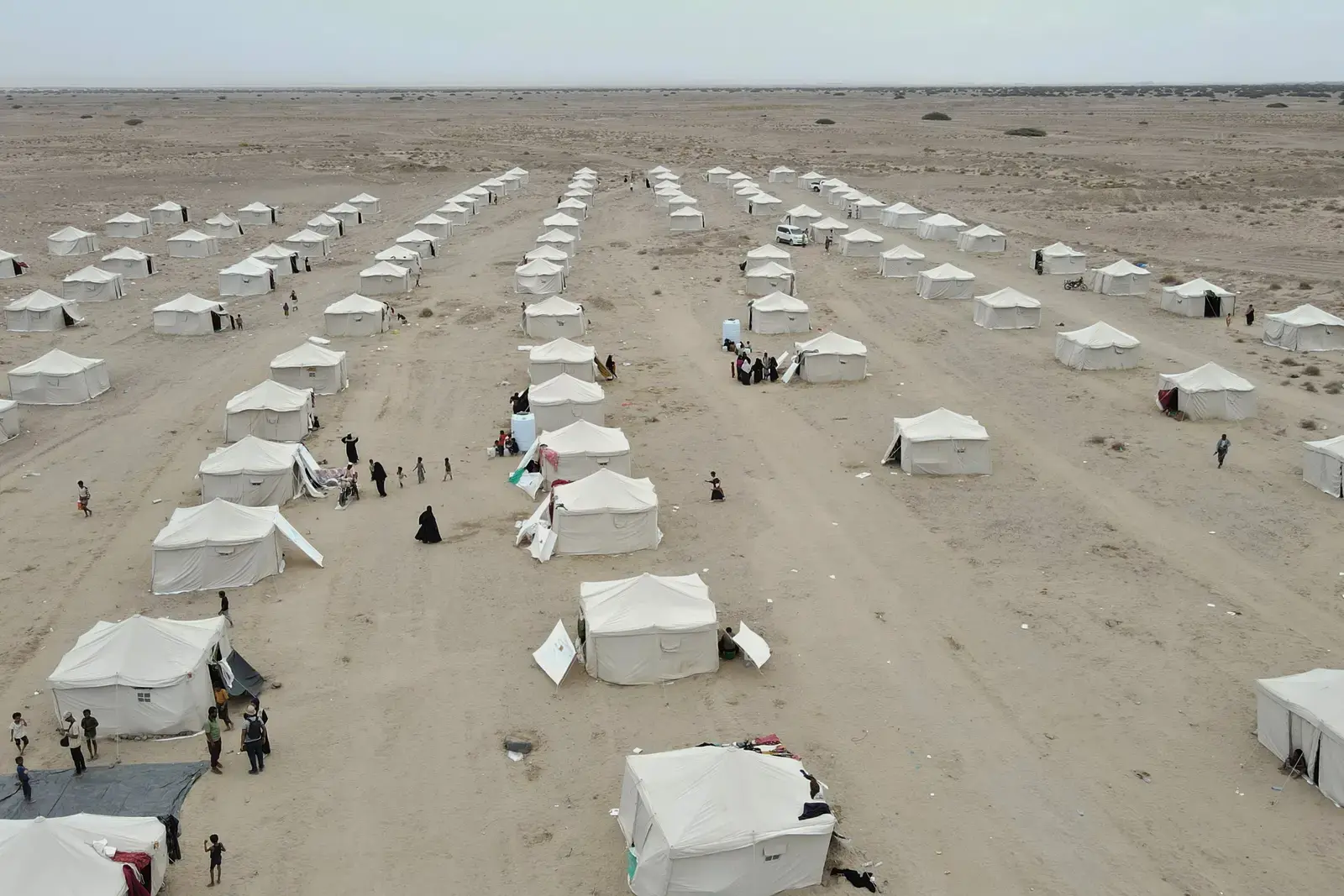
The renewed offensive follows territorial gains by Houthi forces in Yemen’s southern governorates, where they captured strategic districts near Aden after months of stalled frontlines. Analysts link the escalation to the group’s effort to pressure Saudi Arabia into ending its naval blockade, which has restricted Houthi-controlled ports since 2015. Iranian-supplied weaponry, including upgraded drones with extended range, has enabled deeper strikes into Saudi territory. United Nations monitors reported increased missile launches from Houthi-held areas in northern Yemen, suggesting coordinated planning. Civilian displacement has risen sharply in western Yemen, with over 12,000 people fleeing Ras Imran and surrounding areas since mid-September due to retaliatory airstrikes.
Saudi air defense systems intercepted approximately 70% of incoming projectiles during the week-long barrage, according to military spokespeople, though several drones evaded detection and struck peripheral infrastructure. Engineers at Abqaiq reported minor damage to secondary processing units, prompting temporary shutdowns for safety inspections. The kingdom has deployed additional Patriot batteries to its eastern corridor and accelerated joint drills with U. S. forces stationed in the region. Energy analysts note that while global oil prices initially spiked by 4%, markets stabilized as Saudi reserves compensated for shortfalls. Critics argue that reliance on reactive defenses overlooks the need for diplomatic engagement to address the root causes of the conflict.
Efforts to revive stalled peace talks between Yemeni factions have gained urgency amid fears of a broader confrontation involving Iran and its regional rivals. Oman-mediated backchannel discussions reportedly resumed last week, focusing on confidence-building measures such as prisoner exchanges and humanitarian access. However, Houthi leaders insist any agreement must include lifting the blockade on Hodeidah port, a demand Saudi officials have repeatedly rejected. International observers warn that without a political settlement, attacks on energy infrastructure could become a recurring tactic, prolonging Yemen’s humanitarian crisis where over 21 million people require aid. The coming weeks will test whether military pressure can be balanced with negotiations to avoid a full-scale resurgence of the civil war. Frequently Asked Questions What triggered the recent Houthi attacks on Saudi oil facilities?
Can Regional Diplomacy Prevent Further Escalation?
The attacks appear linked to Houthi territorial advances in southern Yemen and their objective to pressure Saudi Arabia into lifting the naval blockade on ports under their control, which has severely impacted trade and humanitarian access since 2015.
How effective have Saudi defenses been against the drone and missile strikes? Saudi forces intercepted roughly 70% of incoming threats during the week-long assault, though some drones reached peripheral infrastructure at facilities like Abqaiq, causing minor damage and temporary operational pauses.
What are the potential global implications if these attacks continue? While Saudi reserves prevented major supply disruptions this time, repeated attacks could destabilize global oil markets, increase insurance costs for shipping in the Red Sea, and heighten regional tensions involving Iran and Western allies invested in Yemen’s stability.