
Background on the Journalist’s Statements
Latvian authorities have announced plans to expel Leonid Ragozin, a Russian journalist formerly associated with the BBC, following public remarks interpreted as justifying Russia’s invasion of Ukraine and hybrid operations in Europe. The decision comes amid heightened scrutiny of individuals perceived to support Kremlin narratives within Baltic states. Ragozin, who has lived in Latvia for several years, made statements during a recent public forum that drew widespread criticism for appearing to downplay or excuse Moscow’s actions. Latvian officials said his comments violated the country’s stance on upholding international law and condemning aggression.
Latest news
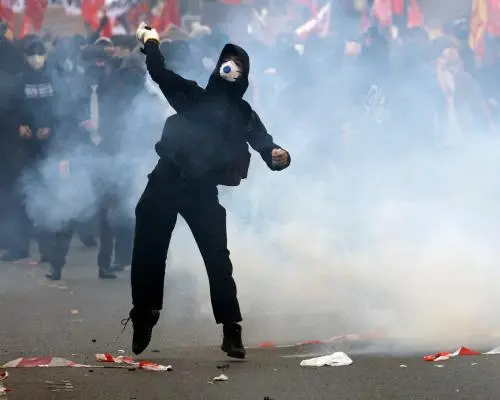 French Students Face Harsh Crackdown During Nationwide School Protests
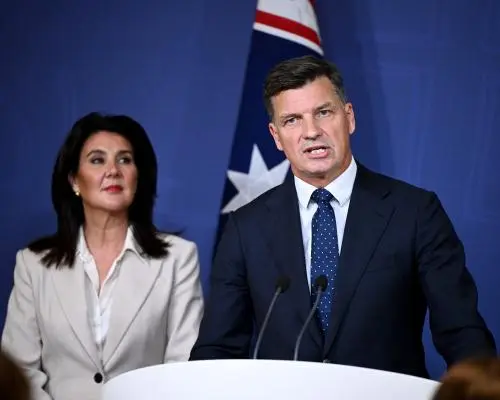 Coalition Admits Immigration Policy Lacks Full Independent Costing
 Tony Wilson and the Factory Records Legacy Return to Cinemas
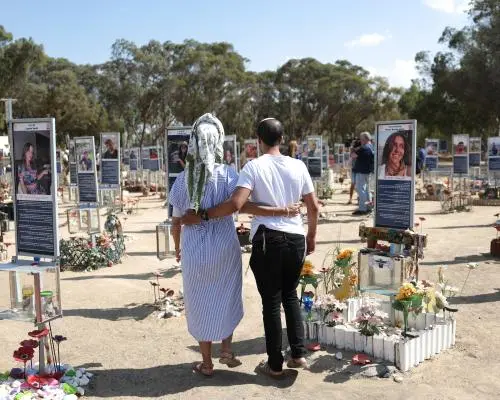 Israel Marks Three Years Since the October 7 Hamas Attacks
Ragozin, a commentator on Eastern European affairs, spoke at an event in Riga where he questioned the framing of NATO’s response to the war and suggested Western policies had provoked Moscow. His remarks were quickly picked up by local media and condemned by Latvian politicians across the spectrum. While he has previously contributed to international outlets, including the BBC’s Russian service, his recent commentary has aligned closely with Kremlin talking points. Latvian foreign ministry officials confirmed that his residency permit is under review for potential revocation under national security laws governing foreign nationals who undermine state interests.
What Legal Basis Supports the Expulsion?
Latvia’s Immigration Law allows authorities to deny or withdraw residency rights if a foreign national’s actions are deemed threatening to national security, public order, or the country’s international reputation. Officials emphasized that freedom of expression does not extend to statements that legitimize armed invasion or hybrid threats such as disinformation campaigns and cyber intrusions. Ragozin has not been charged with a crime, but administrative proceedings are underway. His legal team has not yet issued a public response, though sources indicate he may challenge the decision in court.
Why is Latvia taking action now? Authorities cited a pattern of public statements over recent months that align with Kremlin propaganda, particularly regarding the war in Ukraine and hybrid tactics targeting European institutions, which they say warrants intervention under existing immigration safeguards.
Frequently Asked Questions
Can Ragozin appeal the expulsion order? Yes, under Latvian law, individuals facing residency revocation have the right to appeal through administrative courts, a process that could take several months and potentially delay any removal.
Does this affect press freedom in Latvia? Officials stressed that the measure targets specific conduct, not journalistic activity in general, and reaffirmed Latvia’s commitment to media freedom while distinguishing between criticism and content that actively supports aggression.