Civilian Casualties Rise Amid Stalled Diplomatic Efforts
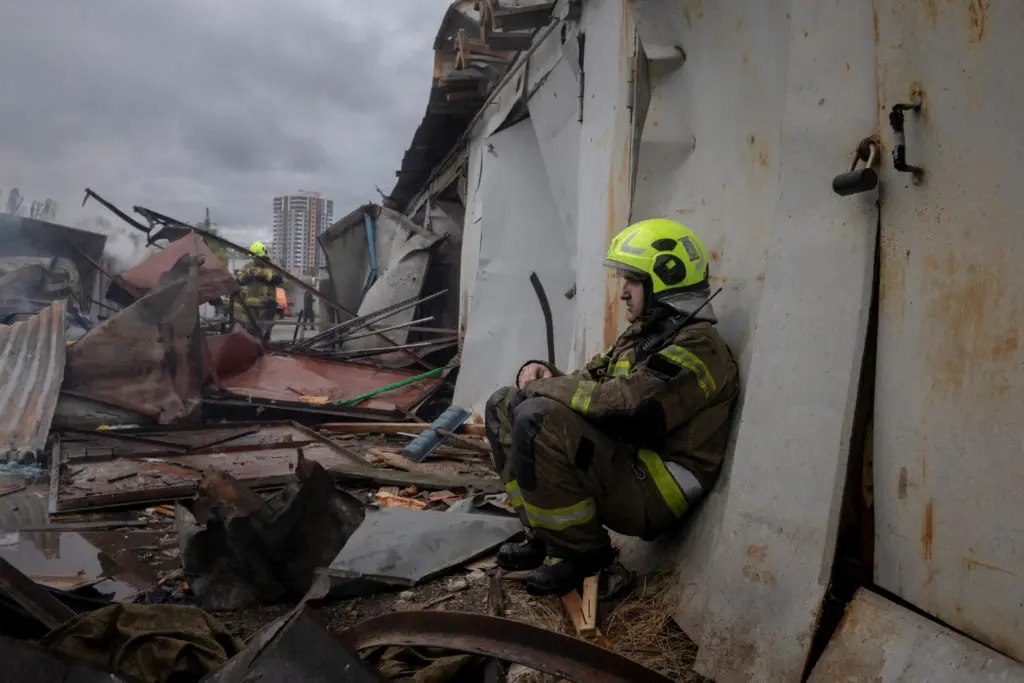
Eight civilians died in a series of Russian air strikes on Ukrainian towns on Wednesday, prompting President Volodymyr Zelenskyy to plead for decisive action during his address to the United Nations General Assembly. The attacks, reported in the eastern and southern regions, underscore the ongoing toll of the conflict as diplomats wrestle with proposals to force a cease‑fire and a political settlement.
Latest news
 Pope Expresses Concern Over Frontier AI as EU Lawmakers Push for Stricter Rules
 Iranian President Says US Must Decide Whether to End Conflict with Tehran
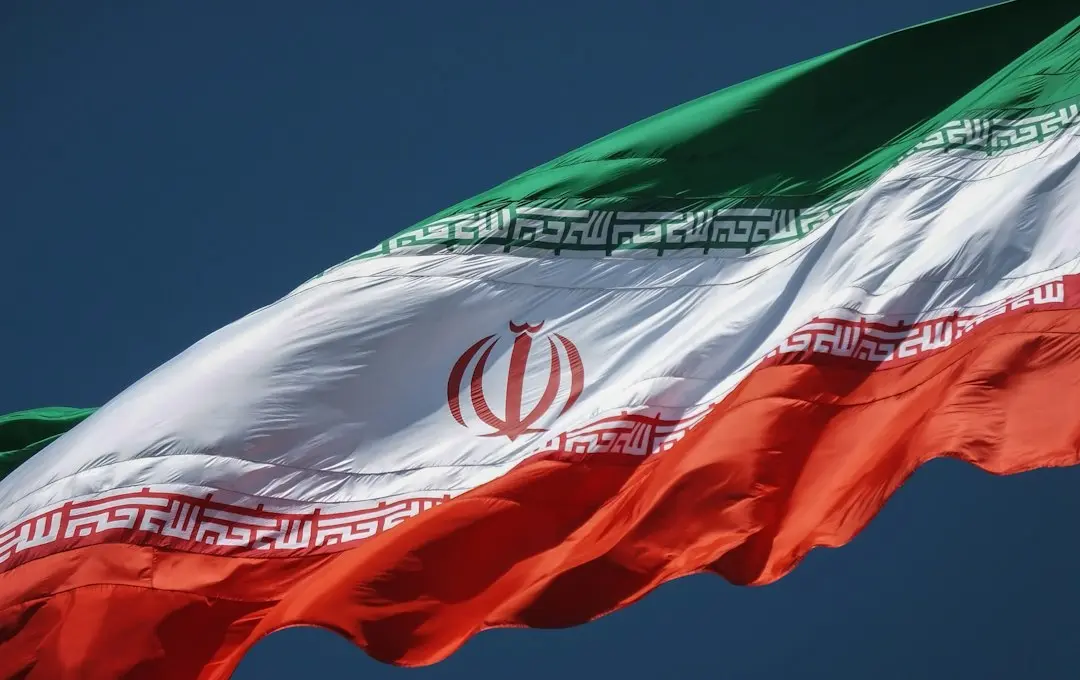 Iranian President Masoud Pezeshkian denies Tehran directs Houthi military operations
 Oil Prices Slip as US-Iran Truce Hopes Rise
Zelenskyy’s speech came as UN member states debated a resolution that would authorize stronger sanctions and explore mechanisms for a negotiated end to hostilities. The president highlighted the human cost of the war, citing the latest civilian deaths and the displacement of millions. He urged the international community to move beyond rhetoric, calling for „real, enforceable steps” to halt Russian aggression. Analysts say the debate reflects a split between nations favoring intensified pressure on Moscow and those wary of escalating tensions further.
The strikes that killed eight non‑combatants hit residential areas near the cities of Donetsk and Mykolaiv, where schools and hospitals have already been strained by months of fighting. Local officials described the explosions as „devastating,” noting that families were forced to flee with only what they could carry. Humanitarian groups warned that each new attack deepens the crisis, complicating aid delivery and increasing the risk of a broader humanitarian disaster.
Can the UN Forge a Viable Path to Peace?
Zelenskyy pointed to these tragedies as evidence that existing diplomatic tools have failed. „Every day we lose more innocent lives,” he told the assembly, „and every day the world watches while we endure.” He urged the UN to adopt a resolution that would empower the Security Council to impose binding measures, including the possible deployment of peacekeeping forces to protect civilians.
The central question facing the General Assembly is whether the UN can muster the political will to compel Russia to the negotiating table. Some member states propose a „no‑fly‑zone” over Ukrainian territory, while others suggest expanding economic sanctions to target Russian elites more directly. Critics argue that without unanimous support from the permanent Security Council members, any resolution risks being symbolic rather than actionable.
Ukrainian diplomats emphasized that a credible threat of enforcement is essential. „Words alone will not stop rockets,” said Ukraine’s UN ambassador, „we need concrete steps that make aggression costly for Moscow.” Meanwhile, Russian officials dismissed the proposals as „interference,” insisting that any settlement must recognize what they call „the legitimate interests of the Russian Federation.” The deadlock highlights the broader challenge of reconciling divergent geopolitical interests within the UN framework.
The ongoing violence and the UN’s indecision have profound implications for the region’s stability. If the assembly fails to adopt a robust resolution, the conflict may continue to drain resources and claim more civilian lives, eroding any hope for a swift diplomatic resolution. Conversely, a decisive UN action could pressure Russia into negotiations, potentially opening a pathway to cease‑fire talks and a gradual withdrawal of forces.
Frequently Asked Questions
What triggered the latest civilian deaths? Russian air strikes targeted residential neighborhoods in eastern and southern Ukraine, hitting homes and nearby infrastructure, resulting in eight civilian fatalities.
What is the UN currently proposing to end the war? Member states are debating a resolution that would tighten sanctions, consider a no‑fly‑zone, and explore mechanisms for a UN‑mandated peacekeeping presence to protect civilians.
How likely is it that the UN will adopt a binding resolution? Adoption depends on securing consensus among Security Council members, especially the permanent five, making a binding outcome uncertain but not impossible if diplomatic pressure intensifies.