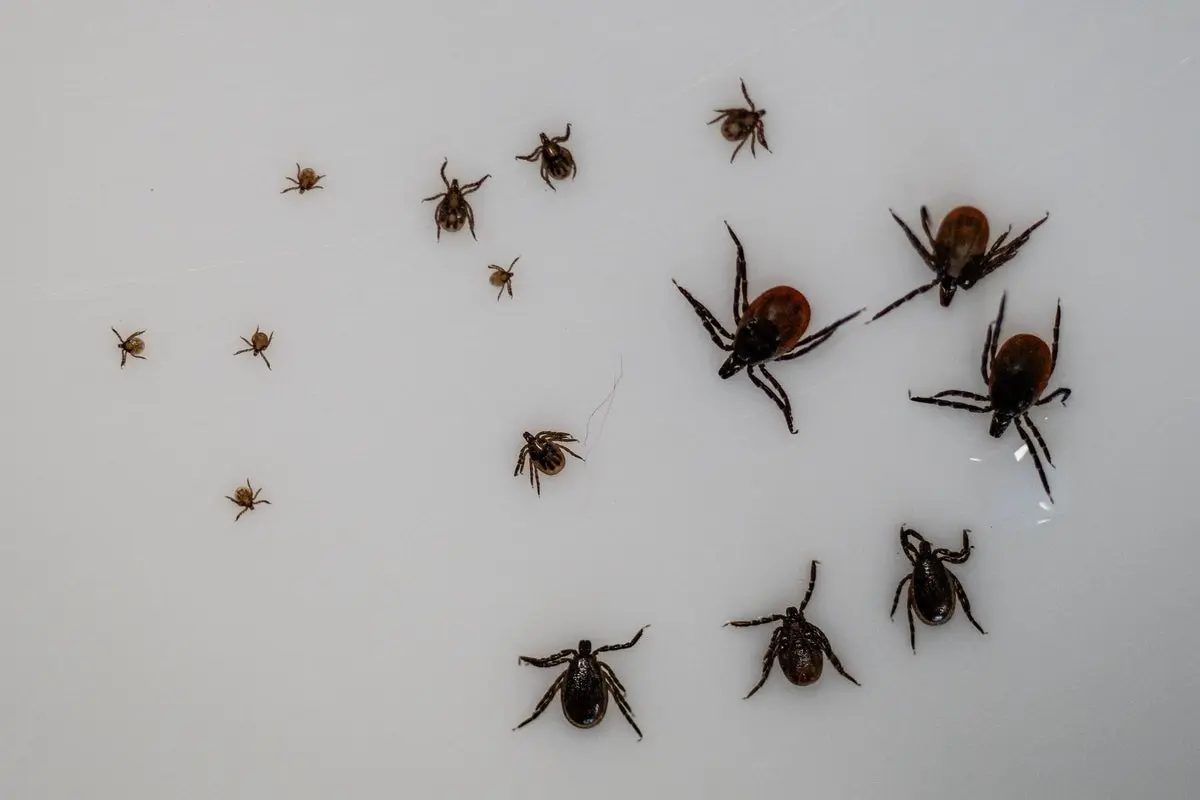
Nocturnal Behavior Changes Human Risk
European researchers have discovered that the sheep tick, the primary vector for Lyme disease across the continent, exhibits a distinct preference for nocturnal hunting. This bacterial infection causes a wide array of serious health complications, making the newly uncovered nocturnal behavior critical for public health strategies.
Latest news
 Professor Warns German Far‑Right Leader Is in a Precarious Spot
 Georgescu Detained on Fraud Charges After Presidential Bid
 EU Faces Deadlock Over French Push to Remove Russian Billionaire From Sanctions List
 Greek Stock Market Joins Global Elite Exchanges After Decade of Debt Crisis
Scientists analyzed the daily patterns of these disease-carrying arachnids to understand their feeding cycles better. They found that human exposure risks change dramatically after sundown, challenging previous assumptions about daytime outdoor safety.
The sheep tick remains the single most dangerous insect-relative in Europe due to the pathogens it transmits. Lyme disease results from bacterial transmission through bites, leading to joint pain, neurological issues, and prolonged fatigue if left untreated.
Why Do Ticks Hunt After Dark?
Understanding when these pests actively seek hosts helps medical professionals warn the public more effectively. Traditional advice focused heavily on daytime checks, but this new evidence points toward evening and nighttime vigilance as equally vital.
The research highlights how environmental factors dictate the survival and activity patterns of these parasites. Cooler nocturnal temperatures and higher humidity levels likely create optimal conditions for the sheep tick to locate warm-blooded hosts without drying out.
Frequently Asked Questions
Public health agencies now face the task of updating safety guidelines for campers, hikers, and rural workers. Preventing bites requires year-round awareness, particularly as climate shifts alter the geographical range and active seasons of these vectors.
What disease does the sheep tick carry? It is the primary carrier of Lyme disease, a serious bacterial infection that can cause diverse health problems.
When are these ticks most active? Recent studies reveal that they prefer to hunt and seek hosts during the night.