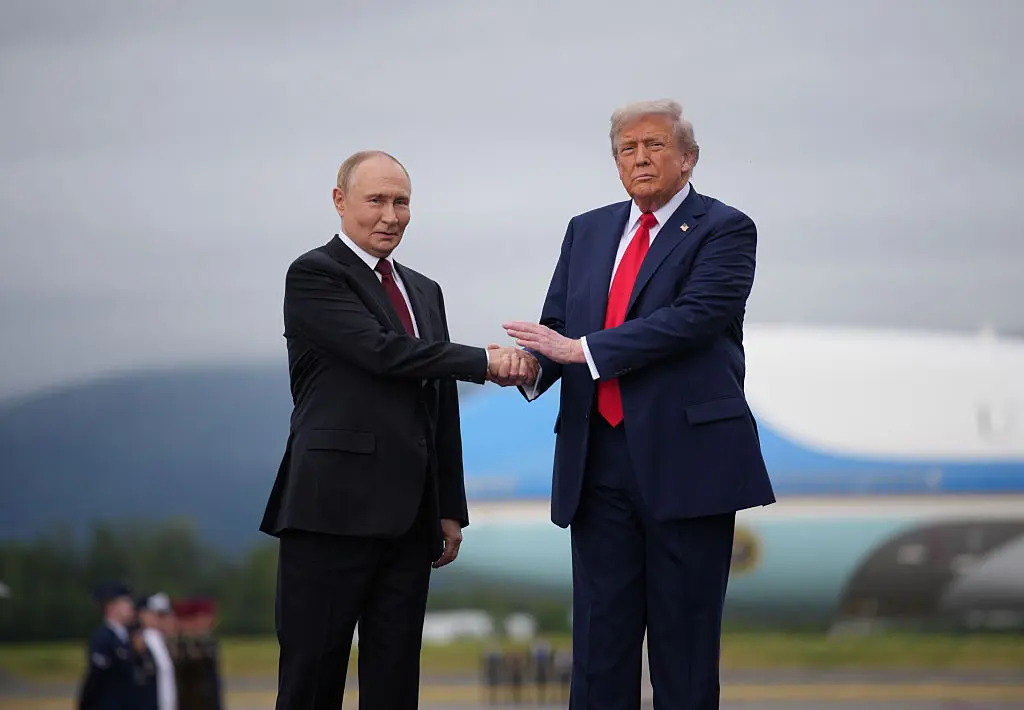
Lawmakers Warn Deal Could Undermine Sanctions Framework
President Donald Trump is confronting mounting criticism from both Republican and Democratic lawmakers over his administration's proposal to import diesel fuel from Russia. The plan, announced amid ongoing energy security discussions, has drawn sharp rebukes from legislators who argue the deal would undermine existing sanctions and violate federal laws governing foreign energy transactions. Critics contend that purchasing diesel from Russia, despite its current status as a sanctioned energy exporter in certain sectors, could indirectly support the Kremlin’s war effort in Ukraine and compromise U. S. strategic interests.
Latest news
 President Calls for Restraint in US-Iran Deal
 Rekindling a War: Netanyahu Urges Trump to Act on Iran Before Election
 Cairo to Host Palestinian Groups for Unity and Election Talks
 India's Cockroach Movement Leaders Remanded in Judicial Custody
The controversy centers on whether the proposed import agreement complies with the Countering America's Adversaries Through Sanctions Act (CAATSA) and other legislative restrictions on Russian energy imports. Lawmakers from both parties have expressed concern that the move would signal a dangerous shift in U. S. policy, potentially emboldening Moscow while weakening transatlantic unity on energy independence. Some officials have called for immediate congressional hearings to examine the legal basis of the deal and assess its implications for national security and energy markets.
Could This Deal Trigger a Congressional Reversal?
Senate Foreign Relations Committee members have warned that importing Russian diesel, even if ostensibly for civilian use, risks creating loopholes that Moscow could exploit to circumvent broader sanctions. Senator Jeanne Shaheen (D-NH) stated that any transaction involving Russian energy exports requires rigorous scrutiny to ensure it does not violate the spirit or letter of existing laws. Meanwhile, Republican Senator Lindsey Graham (R-SC) questioned whether the administration had consulted Congress before pursuing the arrangement, emphasizing that energy policy shifts of this magnitude demand legislative oversight. The White House has not yet released detailed documentation of the proposed agreement, fueling calls for transparency.
As pressure mounts, several lawmakers are exploring legislative options to block or restrict the import plan, including potential amendments to upcoming defense or energy appropriations bills. Analysts note that if Congress moves to prohibit such transactions, it could represent one of the rare instances of bipartisan action to constrain executive authority on foreign energy engagements. The outcome may hinge on whether the administration can demonstrate that the diesel imports fall under existing waivers or licenses granted by the Treasury Department’s Office of Foreign Assets Control. Until then, the debate continues to intensify across party lines, reflecting broader anxieties about U. S. reliance on adversarial nations for critical energy supplies.
Is importing diesel from Russia currently legal under U. S. law? The legality depends on whether the specific transaction complies with CAATSA and related sanctions exemptions, which require case-by-case authorization from the Treasury Department. No public license for such imports has been disclosed to date.
Frequently Asked Questions
Why are lawmakers from both parties opposing this plan? They argue that any financial flow to Russian energy entities, even for refined products like diesel, risks undermining sanctions designed to pressure Moscow over its actions in Ukraine and could weaken allied coordination on energy policy.
What actions could Congress take to stop the import deal? Congress could pass legislation explicitly banning Russian energy imports, impose reporting requirements, or use the power of the purse to deny funding for related administrative efforts.