
Why Europe Sees Russian Diesel as a Red Line
European governments have rebuked U. S. President Donald Trump’s proposal to import hundreds of thousands of tons of Russian diesel, insisting that continued pressure on Moscow remains the only path to ending the war in Ukraine. The announcement came weeks before the U. S. midterm elections, as Trump framed the move as a way to lower domestic fuel prices. Officials across the EU warned that such a purchase would undermine sanctions and weaken collective efforts to isolate Russia economically.
Latest news
 Economic Frustration Drives Washington to Step Up Market Intervention Post‑Midterms
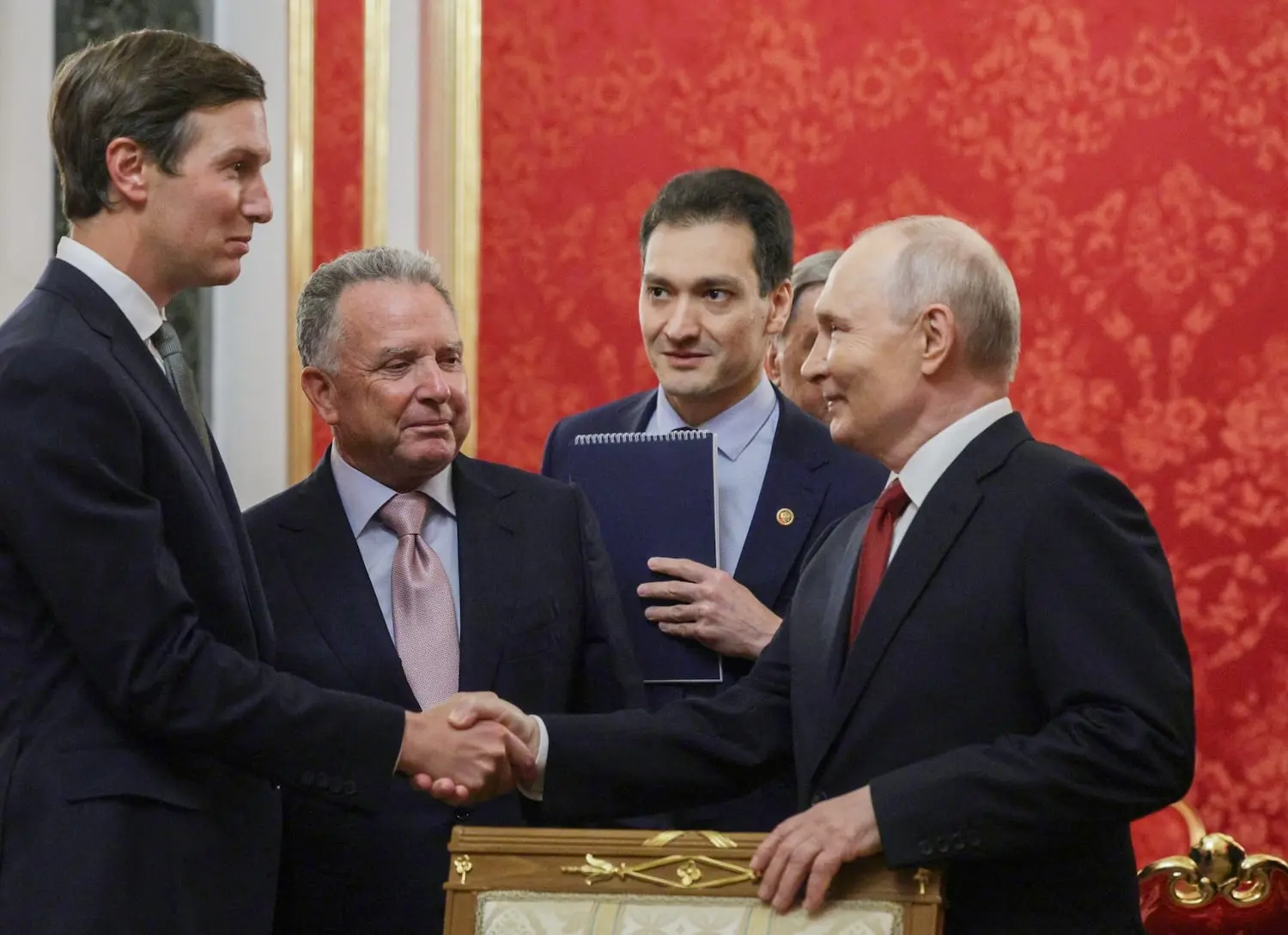 Congress Can Do More to Address Kushner’s Conflicts of Interest
 Nobel Prize-Winning Economists Hall and Woodford Recognized for Central Bank Research
 Cyprus Nears Schengen Membership Despite Political Hurdles
Trump said he would bring in 300,000 tons of Russian diesel, a figure that drew sharp criticism from European capitals already grappling with energy insecurity following Russia’s invasion. The plan, revealed over the weekend, contradicts the EU’s strategy of reducing reliance on Russian fossil fuels and instead boosting support for Kyiv through military and financial aid. European officials emphasized that any procurement of Russian energy, even refined products like diesel, risks funding the Kremlin’s war machine.
European leaders argue that importing Russian diesel, regardless of its refined form, still contributes to Russia’s revenue stream and thus its ability to sustain military operations. Unlike crude oil, diesel is a high-value product that generates significant export income for Moscow. The EU has implemented strict bans on seaborne Russian oil and refined products, with exceptions only for pipeline supplies to certain landlocked countries. Allowing imports via third countries or reflagged vessels would create loopholes that sanctions designers sought to close.
Could This Split the Western Alliance?
EU energy commissioner Kadri Simson stated that the bloc remains united in its commitment to phase out all Russian fossil fuels by the end of 2022, calling Trump’s plan „counterproductive to the shared goal of peace.” Several NATO members echoed this sentiment, warning that easing pressure now would embolden Moscow and prolong the conflict.
The divergence in approach raises concerns about potential fractures within the Western coalition supporting Ukraine. While the U. S. Congress has shown bipartisan backing for Ukraine aid, Trump’s stance as a leading Republican figure introduces uncertainty about future policy direction if he returns to power. European capitals are closely monitoring U. S. political developments, aware that a shift in American policy could alter the balance of support for Kyiv.
Despite these tensions, EU officials reiterated their resolve to maintain sanctions and accelerate renewable energy transitions. They stressed that short-term relief at the pump must not come at the cost of long-term security and sovereignty for Ukraine.
Frequently Asked Questions
Why is importing Russian diesel controversial even if it’s refined? Refined products like diesel still generate revenue for Russia, which funds its war effort. The EU considers any financial flow to Moscow, regardless of product type, as undermining sanctions.
Does the U. S. currently ban Russian diesel imports? Yes, the U. S. has prohibited imports of Russian crude oil and petroleum products, including diesel, since March 2022 as part of its sanctions package.
How does Europe plan to replace Russian diesel? The EU is increasing imports from alternative suppliers, boosting domestic refining capacity, and promoting energy efficiency and electric transport to reduce diesel demand overall.