Safeguarding the Seasonal Harvest
The United Nations has formally urged Israeli authorities to ensure the safety of Palestinian farmers as the annual olive harvest season begins. UN spokesperson Stephane Dujarric confirmed that international humanitarian agencies are actively monitoring high-risk regions. These groups aim to support local workers who face persistent threats from extremist settlers during the critical collection period.
Latest news
 President Calls for Restraint in US-Iran Deal
 Rekindling a War: Netanyahu Urges Trump to Act on Iran Before Election
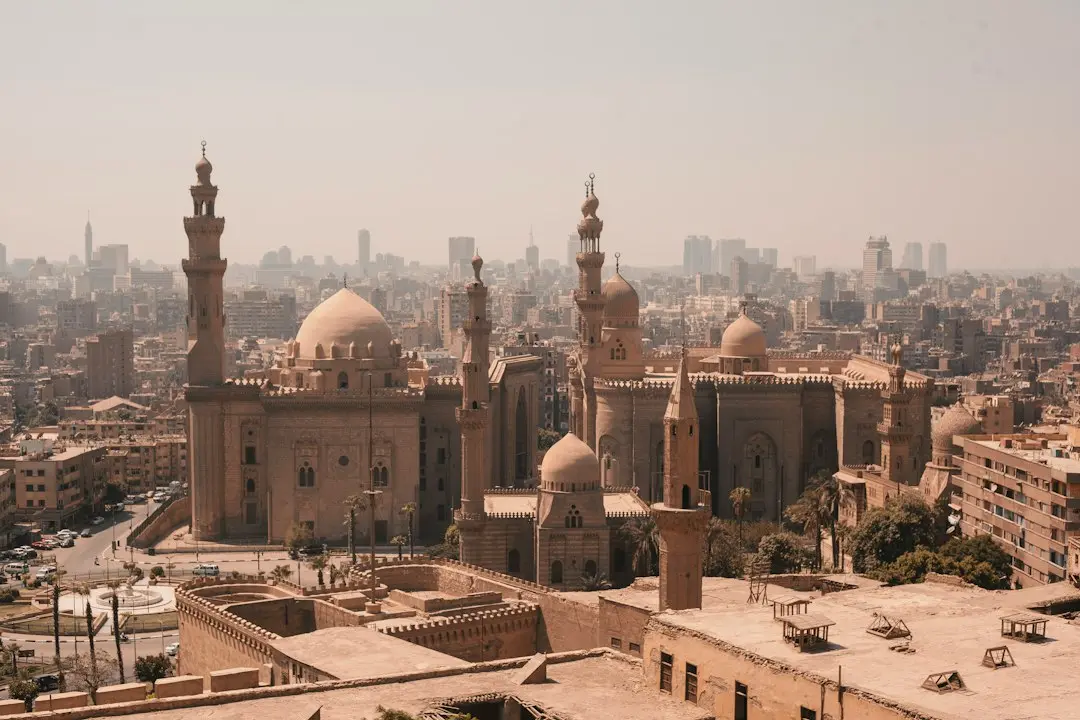 Cairo to Host Palestinian Groups for Unity and Election Talks
 India's Cockroach Movement Leaders Remanded in Judicial Custody
The harvest is a vital economic pillar for thousands of Palestinian families. However, the season is frequently marred by intimidation and physical assaults. Humanitarian partners have mapped specific areas where farmers are most vulnerable to attacks. The UN emphasizes that Israel, as the occupying power, holds a legal obligation to protect civilians from such violence.
The olive sector provides essential income and sustenance for many rural communities. Recent years have seen a sharp rise in reports of settlers destroying trees or blocking access to groves. These actions often occur under the cover of the harvest, causing significant financial loss and psychological distress. Humanitarian organizations are now coordinating efforts to provide a protective presence in these volatile zones.
Will International Monitoring Prevent Further Escalation?
Dujarric reiterated that the international community expects Israel to uphold human rights standards. He noted that the UN remains committed to providing the necessary support for farmers to complete their work safely. Without intervention, many families fear that their crops will be left to rot or stolen by agitators.
The presence of international observers is intended to deter violence and document incidents of harassment. However, the effectiveness of these measures depends largely on the cooperation of local security forces. If authorities fail to intervene during confrontations, the risk of broader instability remains high. The UN continues to press for accountability to ensure that the harvest proceeds without bloodshed.
Frequently Asked Questions
The outlook for this year’s season remains tense as both sides prepare for the upcoming weeks. If security is not guaranteed, the economic stability of these agricultural communities could be severely compromised. The UN maintains that protecting the rights of farmers is a fundamental humanitarian priority that cannot be ignored.
Why is the olive harvest considered a high-risk period? The harvest season often leads to increased friction between Palestinian farmers and extremist settlers in contested areas. Settlers frequently target groves to disrupt the economic livelihood of local families.
What role is the United Nations playing in this situation? The UN is working with humanitarian partners to monitor dangerous regions and provide support to farmers. They are also pressuring Israeli officials to fulfill their legal duty to protect the civilian population.