
They have modified Soviet-era missiles and developed domestically produced
Yemen's Iran-backed Houthi movement launched missile strikes on Riyadh's airports and oil facilities, killing at least 14 people and injuring over 300 in two separate attacks. Saudi Arabia's energy minister has vowed a strong response to the escalating violence. The strikes mark a significant escalation in the group's campaign against the kingdom. The Houthis, who control much of northern Yemen including the capital Sanaa, have been fighting a Saudi-led coalition since 2015. Backed by Iran, they have developed increasingly sophisticated missile and drone capabilities, allowing them to strike deep inside Saudi territory despite extensive air defenses. Their ability to launch precision attacks from rugged terrain makes them difficult to target and deter. How the Houthis Built Their Strike Capacity Through Iranian technical support and battlefield experience, the Houthis have transformed from a rebel group into a formidable force capable of long-range strikes.
Latest news
 Economic Frustration Drives Washington to Step Up Market Intervention Post‑Midterms
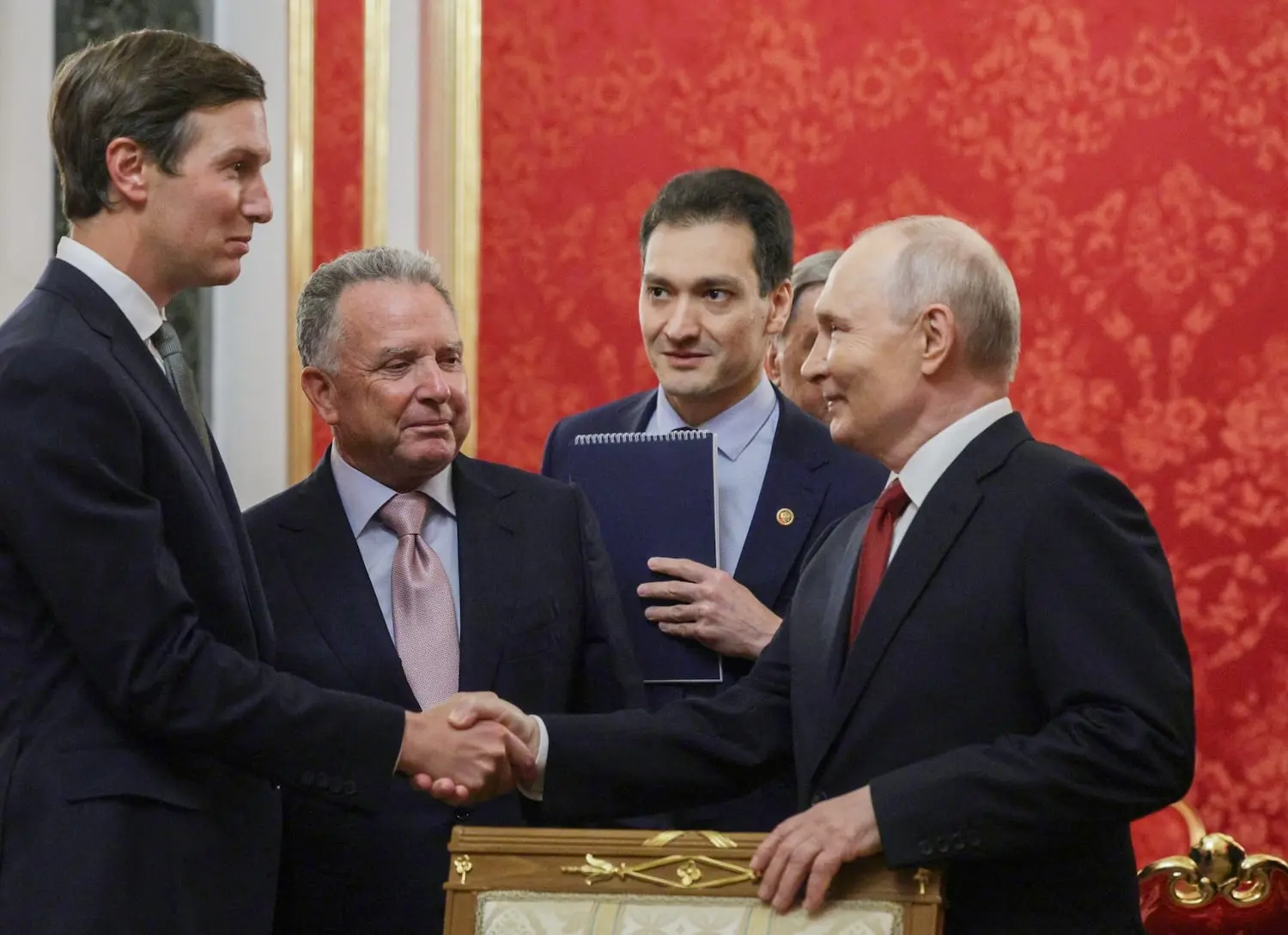 Congress Can Do More to Address Kushner’s Conflicts of Interest
 Nobel Prize-Winning Economists Hall and Woodford Recognized for Central Bank Research
 Cyprus Nears Schengen Membership Despite Political Hurdles
They have modified Soviet-era missiles and developed domestically produced drones, some with ranges exceeding 1,000 kilometers. Saudi officials admit intercepting many projectiles but acknowledge that even a small success rate poses a serious threat to critical infrastructure and civilian areas. Why Is It So Difficult to Stop Them? The Houthis operate from mountainous regions along Yemen's western coast, using mobile launchers that are hard to detect and destroy. Their decentralized command structure and integration with local populations complicate targeting efforts. Furthermore, the ongoing Yemeni civil war limits intelligence gathering and ground access, making preemptive strikes risky and often ineffective. What Are the Risks of Escalation? Continued Houthi attacks could provoke a broader regional confrontation, particularly if Saudi Arabia retaliates against Iranian interests in Yemen or beyond.
Disruption to oil exports through the Red Sea might affect global energy markets, while prolonged conflict worsens Yemen's humanitarian crisis, already among the worst in the world. Frequently Asked Questions Who supports the Houthis militarily and financially? Iran provides the Houthis with weapons, training, and financial backing, including missile components and drone technology, though it denies direct control over their operations. Can Saudi defenses stop all Houthi missiles? No, while Saudi Arabia has invested heavily in Patriot and THAAD systems, the volume and unpredictability of Houthi launches mean some get through, especially when using low-flying drones or cruise missiles. What is the Houthis' ultimate goal in targeting Saudi Arabia? The Houthis aim to pressure Saudi Arabia to end its military campaign in Yemen, weaken its economy, and demonstrate their capability to strike back despite being isolated diplomatically and militarily.