Diplomatic Sensitivities Behind the Warning
Dhaka warned New Delhi on August 4, 2026 that allowing a former Bangladeshi politician to speak at an Indian event could strain the recently improving bilateral relationship. The alert came after reports that India was considering offering the political figure a stage for a public address.
Latest news
 Saudi Arabia Declares Mecca Attack Attempt a Red Line as Houthis Deny Involvement
 Surrey Oil Drilling Project Sold After Supreme Court Rejection
 Union leaders urge bold action for Labour leader
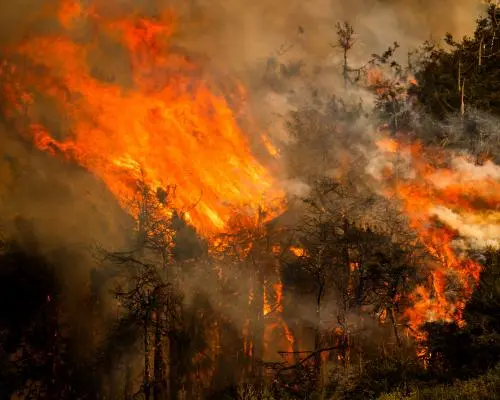 Wildfire Crisis Deepens as Federal Firefighter Shortage Plagues Summer Season
Bangladesh’s foreign ministry said the move would be seen as interference in its internal politics and could undermine trust built over recent years. India has been deepening trade, security, and connectivity ties with Bangladesh, but the proposed platform raised concerns about perceived favoritism toward opposition voices. Officials in New Delhi have not yet confirmed the invitation.
Bangladesh’s caution reflects broader regional dynamics where neighboring capitals guard against actions that might be interpreted as political meddling. The former leader in question, once a prominent figure in Bangladeshi politics, has been out of power for several years but remains influential among certain factions. Dhaka argued that a high‑profile speech in India could embolden domestic critics and complicate ongoing cooperation on border management and water sharing. The foreign ministry emphasized that any perceived bias could reverse recent gains in trade volumes and joint infrastructure projects.
Could This Incident Derail Growing India‑Bangladesh Cooperation?
Analysts suggest that the dispute, while limited in scope, may test the resilience of the partnership. If New Delhi proceeds with the invitation, Bangladesh might respond with diplomatic protests or limit future collaborations. Conversely, a decision to decline could be viewed as a concession, reinforcing goodwill but possibly disappointing segments of the Bangladeshi political spectrum. Both governments appear to be weighing the symbolic weight of the speech against the practical benefits of their expanding relationship.
The episode underscores how political gestures can ripple through economic and security arrangements. Observers expect both capitals to engage in quiet negotiations to resolve the issue without public escalation. A mutually acceptable solution could preserve the momentum of joint projects, while a misstep might trigger a slowdown in cross‑border initiatives and heightened scrutiny from regional partners.
Frequently Asked Questions
What prompted Bangladesh’s warning to India? Bangladesh objected to reports that India might give a former political leader a public platform, fearing it would be seen as interference in its domestic affairs.
How might this affect India‑Bangladesh trade? If the dispute escalates, both sides could pause or renegotiate trade agreements, potentially slowing the growth of bilateral commerce that has accelerated in recent years.
What steps are being taken to defuse the tension? Diplomatic channels remain open, with senior officials from both ministries reportedly discussing alternatives that respect Bangladesh’s concerns while maintaining overall cooperation.