Satire as a Tool for Party Renewal
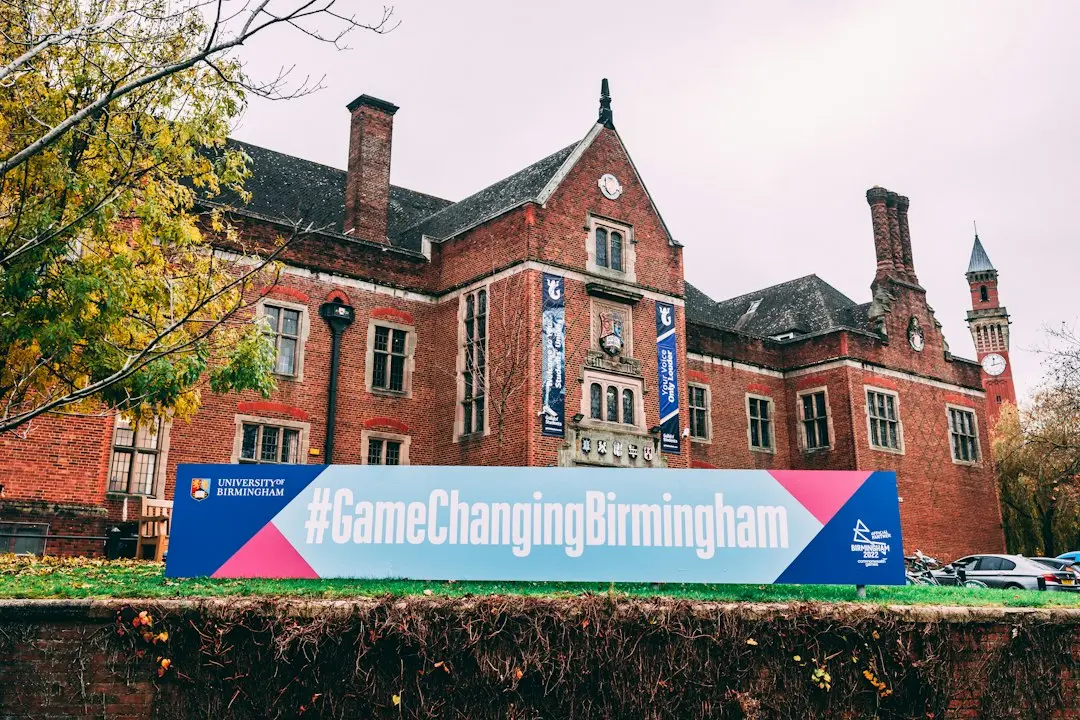
The 27‑metre long tapestry displayed at the Conservative Party conference in Birmingham showcased Tory leader Kemi Badenoch banishing a miniature version of cabinet minister Robert Jenrick. The artwork, unveiled on the opening day of the two‑day event, quickly became a focal point for attendees and media alike.
Latest news
 French Students Face Harsh Crackdown During Nationwide School Protests
 Coalition Admits Immigration Policy Lacks Full Independent Costing
 Tony Wilson and the Factory Records Legacy Return to Cinemas
 Israel Marks Three Years Since the October 7 Hamas Attacks
The piece was revealed in the conference’s main hall on Monday, 12 November, amid a flurry of speeches and policy announcements. It depicts Badenoch, portrayed as a powerful figure, casting Jenrick out of the room in a dramatic gesture. The tapestry, which is the largest political artwork produced for the party in recent years, was designed by a team of artists commissioned by the conference organisers. It was intended to illustrate themes of renewal and reform within the party, signalling a shift away from the previous administration’s perceived shortcomings.
How Did the Tapestry Gain Such Attention?
The tapestry’s satirical tone reflects the Conservative Party’s broader strategy to rebrand itself after a period of internal conflict. By turning a political figure into a cartoonish character, the party emphasizes the need for accountability and change. The artwork was also used as a backdrop for speeches by Badenoch, who spoke about her vision for the future of the party and the importance of addressing the flaws that led to the „Reform” controversy. The piece was praised by many delegates for its boldness and visual impact, though some critics argued that it trivialised serious policy debates.
What Does This Mean for the Party’s Future?
The tapestry’s design, featuring bold colours and exaggerated gestures, captured the imagination of social media users. Within hours, screenshots of the artwork were shared across platforms, sparking conversations about the party’s direction. The conference itself attracted more than 10,000 delegates, and the tapestry was positioned in a high‑traffic area, ensuring that it was seen by a large audience. The visual narrative of a leader banishing a former minister resonated with delegates who felt the party needed a decisive break from past mistakes. The event also coincided with the launch of new policy proposals, making the tapestry a timely symbol of the party’s aspirations.
Frequently Asked Questions
The tapestry’s impact extends beyond mere visual spectacle. It signals a willingness within the Conservative Party to confront internal divisions openly and to use creative means to communicate its message. By embracing satire, the party demonstrates a modern approach to political communication that may appeal to younger voters. However, the piece also risks alienating traditional supporters who prefer a more conventional image of leadership. As the party moves toward the upcoming general election, the tapestry’s message will likely be referenced in debates about reform and accountability.
Q: Who created the tapestry? A: A team of artists commissioned by the Conservative Party’s conference organisers designed the 27‑metre long piece.