Pro‑Russian Candidate Sparks Controversy
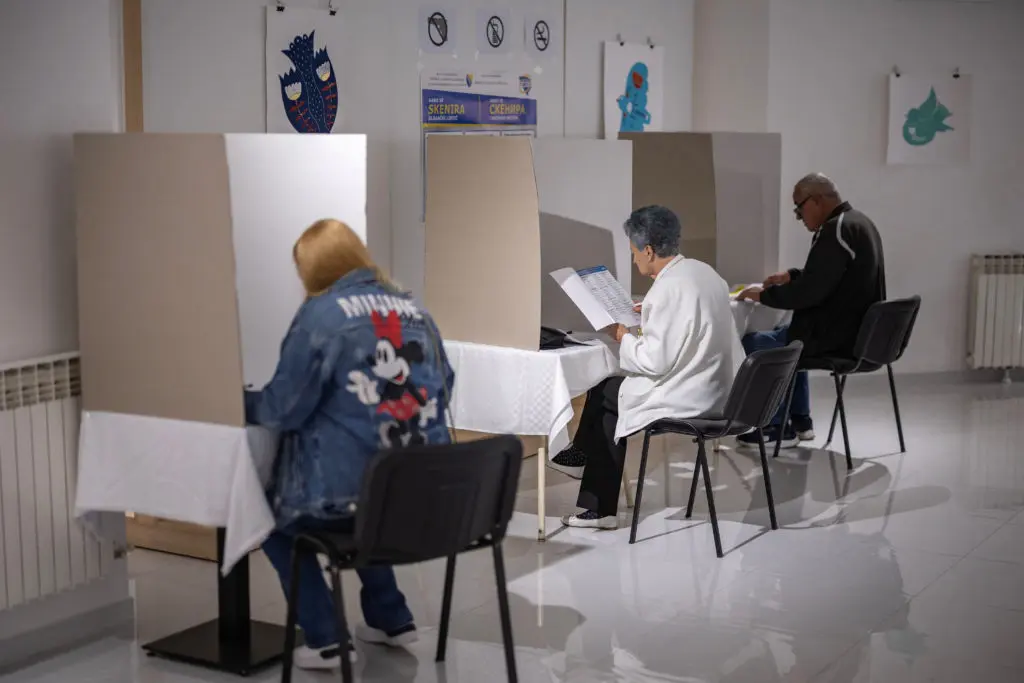
In a national vote held on October 4, 2026, around 3.4 million Bosnian voters chose the three members of the country’s multi‑ethnic presidency. The election took place as political drama unfolded around a pro‑Russian candidate and ethnic discord simmered across the nation.
Latest news
 No Military Fix for US‑Iran Tension, Says Tehran’s Foreign Minister
 Stock Futures Hold Steady as Investors Await Fed Minutes and Higher Yields
 Scientists Identify Brain Region That May Drive High Blood Pressure and Offer New Treatment Pathway
 Macron's Busy Schedule Threatens His Attendance at COP31 and Undermines Paris Agreement Support
The election is a crucial test of Bosnia’s fragile democratic institutions. The presidency is composed of a Bosniak, a Croat, and a Serb representative, elected together to reflect the country’s three main ethnic groups. The vote coincided with the announcement of a new political alliance that includes a figure known for his close ties to Russia, raising concerns about external influence on Bosnia’s internal affairs.
Ethnic Tensions Quietly Escalate
The candidate at the center of the controversy is a prominent politician who has repeatedly praised Russian leadership and advocated for stronger economic ties with Moscow. His campaign promises included increased trade cooperation and a shift away from Western‑aligned policies. Supporters argue that his stance could bring much-needed investment, while critics warn that it might compromise Bosnia’s sovereignty and its aspirations to join European structures.
Observers noted a sharp rise in campaign rallies across major cities, with the candidate’s supporters shouting slogans that echoed Russian patriotic themes. Opponents of the alliance staged counter‑demonstrations, warning that the country’s delicate balance could be upset by a pro‑Russian tilt. The election day itself was marked by a heightened security presence, as authorities prepared for potential clashes between rival groups.
What Happens Next for Bosnia’s Political Landscape?
While the presidential race dominated headlines, underlying ethnic tensions continued to flare in several regions. Reports indicate that sporadic incidents of vandalism and verbal harassment have occurred between Bosniaks, Croats, and Serbs, especially in mixed towns where demographic shifts have altered the balance of power. Local officials have called for calm and urged community leaders to engage in dialogue.
The election’s outcome could influence these tensions. A presidency that reflects the current demographic realities might ease fears of marginalization, but any perceived favoritism could reignite old grievances. Analysts suggest that the new leaders will need to prioritize inclusive governance and transparent decision‑making to prevent the country from sliding into deeper divisions.
Frequently Asked Questions
The newly elected presidency will convene soon to set priorities and navigate Bosnia’s path forward. Key issues on the agenda include reforming the judiciary, tackling corruption, and negotiating further integration with European institutions. The presence of a pro‑Russian figure in the political arena may alter the balance of foreign policy, potentially shifting Bosnia’s alignment between Western and Russian interests.
International partners, particularly the European Union and the United States, have expressed concern about the election’s implications for regional stability. They have called for a return to democratic norms and for Bosnia to maintain its commitments to European integration. The international community will likely monitor the new administration’s actions closely, especially regarding any policy shifts that could affect the broader Balkan region.