Biometric Barriers and Their Immediate Effects
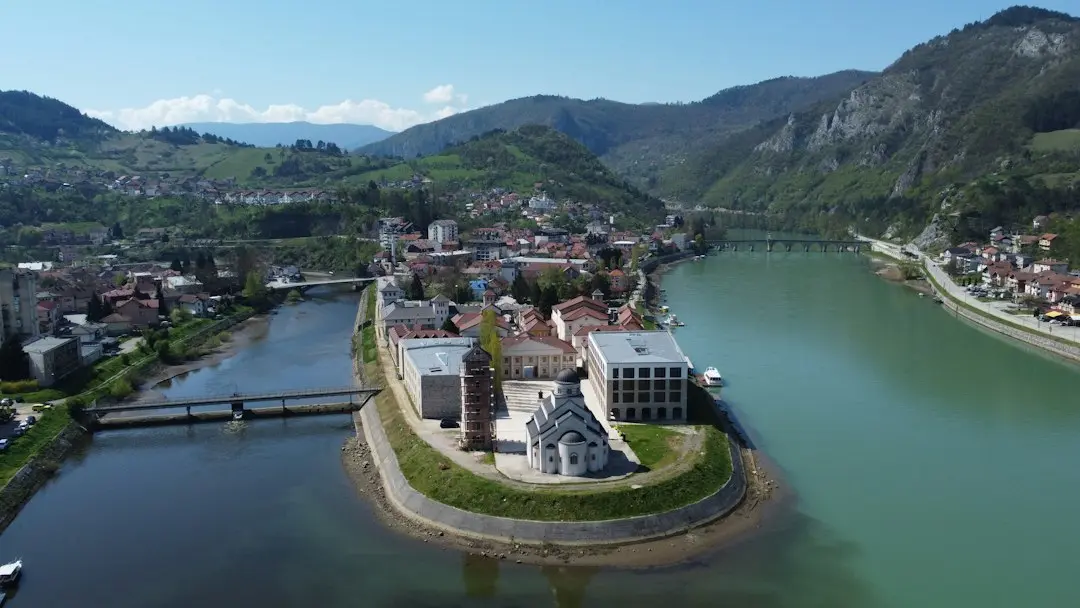
Banja Luka, Bosnia and Herzegovina – On October 5, 2026, authorities introduced biometric verification at polling stations to prevent votes being cast in the names of deceased or absent citizens. The measure coincided with a historic drop in voter turnout, reaching the lowest level since the country’s post‑war elections, but the parliamentary seat distribution mirrored the previous cycle.
Latest news
 Unmarked graves holding multiple bodies discovered across Australian states
 Mark Thompson to Stay at CNN After Paramount Skydance Takeover
 Suspected Plague Case Claims Life of Siberian Researcher
 SpaceXAI Rebrands as SpaceXSI, Following Trump‑Style Corporate Shuffle
The new technology employs fingerprint and facial‑recognition scanners linked to a central civil registry updated in real time. Officials say the system automatically rejects any ballot where the voter’s biometric data does not match a living, registered individual. The reform was prompted by recurring scandals in which parties allegedly used the identities of dead relatives to inflate their vote counts. Election monitors praised the technical upgrade but warned that the underlying political dynamics had not shifted.
During the three‑day voting period, over 1.2 million registered voters attempted to cast ballots. Roughly 8,000 attempts were flagged and denied by the scanners, all tied to deceased individuals whose records had not been purged from older voter lists. „We finally have a tool that can enforce the integrity of the roll,” said Selma Hadžić, head of the national electoral commission. The commission reported that the rejected votes represented less than 0.7 percent of total submissions, a figure too small to alter the final seat allocation.
Will Cleaner Ballots Revive Public Trust in Bosnian Elections?
Turnout, however, fell to 42 percent, a drop of five points from the 2019 election. Analysts attribute the decline to voter fatigue, economic hardship, and a perception that the ruling coalition’s policies have stagnated. „People are disillusioned,” noted political scientist Dragan Petrović of the University of Sarajevo. „Even with cleaner ballots, the electorate feels their vote does not change the status quo.”
The introduction of biometric verification sparked debate over whether technical fixes can restore confidence in a system plagued by ethnic power‑sharing arrangements and frequent coalition reshuffles. Opposition leader Amra Begović argued that the reform addresses only a symptom, not the root causes of corruption and patronage. „We need comprehensive reforms—transparent party financing, independent media, and genuine power rotation,” she said in a post‑election interview.
Supporters of the new system contend that eliminating fraudulent votes is a necessary first step. International observers from the OSCE praised the move as „a significant advancement toward electoral integrity,” but cautioned that long‑term legitimacy depends on broader institutional changes. The government has pledged to extend biometric checks to municipal elections next year, hoping to embed the practice as a norm.
The election outcome left the incumbent coalition with a slim majority, mirroring the 2019 results. While the biometric safeguards prevented a handful of illegal votes, they did not shift the balance of power. The political landscape remains fragmented, with ethnic parties continuing to dominate the parliamentary arithmetic.
Frequently Asked Questions
How many votes were blocked by the new biometric system? Approximately 8,000 ballot attempts were rejected because the biometric data did not match a living, registered voter, representing less than one percent of total votes cast.
Did the new technology affect the overall election result? No. The rejected votes were too few to influence seat distribution, and the final parliamentary composition remained the same as in the previous election.
What are the next steps for electoral reform in Bosnia? Authorities plan to expand biometric verification to local elections and are under pressure to address deeper issues such as party financing transparency and ethnic power‑sharing mechanisms.