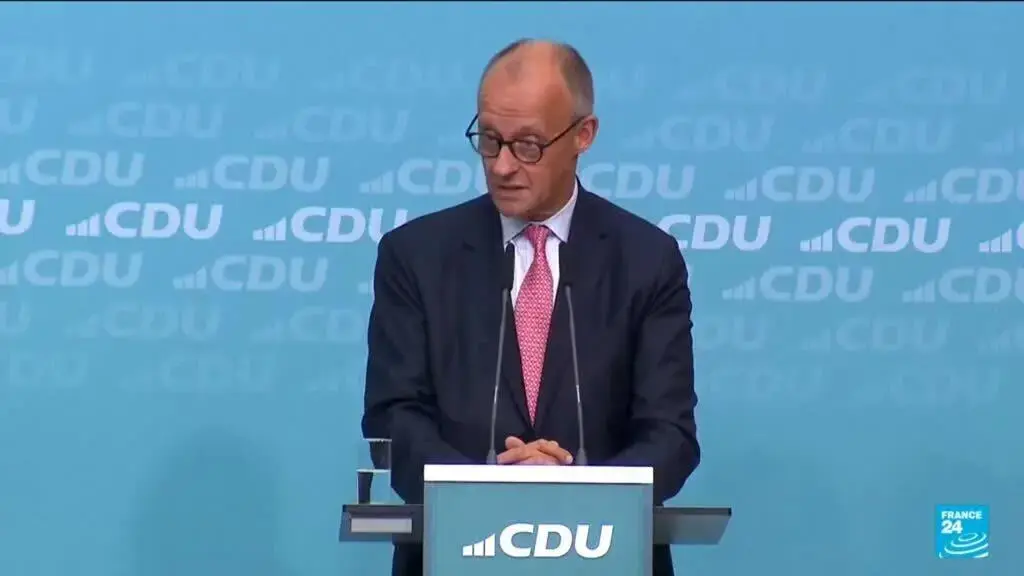
Shifting Tides in Rural German Politics
Friedrich Merz faces intense political pressure as new regional election polls emerge across Germany, with particular attention focused on the rural state of Mecklenburg-Western Pomerania. Observers in Berlin are closely monitoring these shifting voter sentiments, wondering if local ballot box dissatisfaction could ultimately destabilize the national conservative leader's standing at the helm of his party.
Latest news
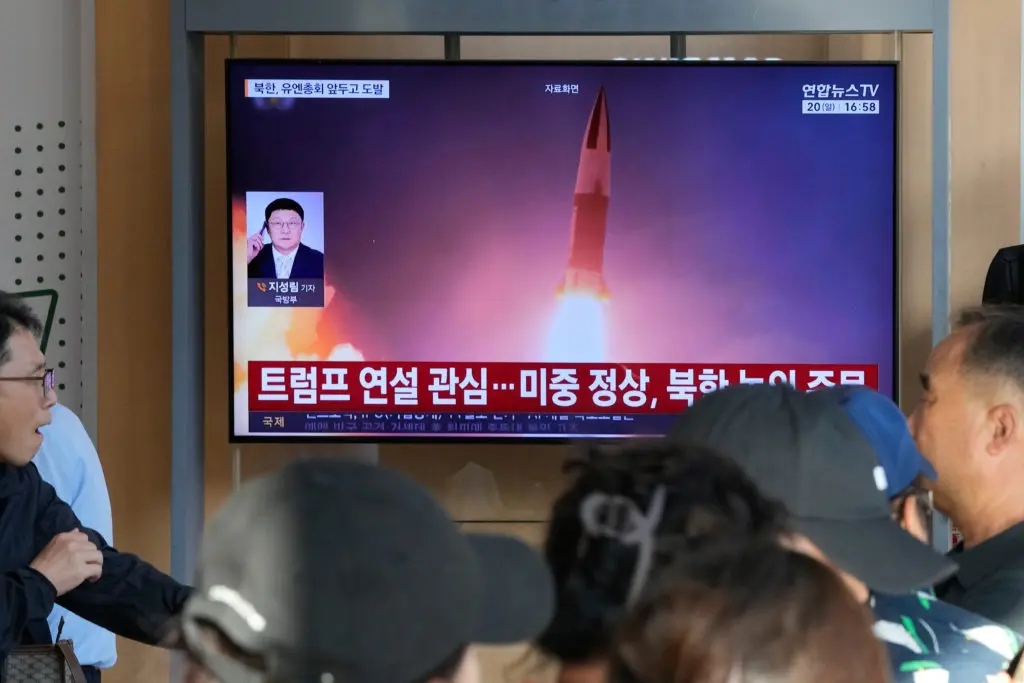 North Korea Fires Two Ballistic Missiles Over the Sea, Intensifying U.S. Tensions
 Liberal Democrats unveil two billion pound fuel tax cut plan
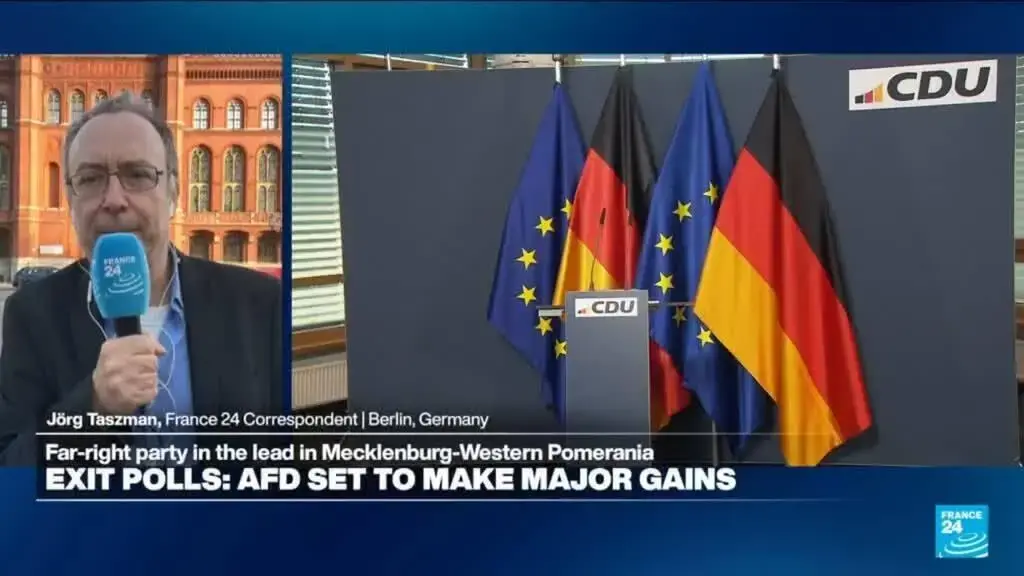 Reversal for CDU in Two German State Elections
 The Deportation Project: Inside Trump Administration's Secret Agreements
The current political landscape in Germany remains volatile as voters express growing frustration with traditional parties. Regional surveys often serve as early warning systems for national leaders, highlighting deep-seated economic and social concerns among rural populations. As these trends materialize in places like Mecklenburg-Western Pomerania, party strategists must quickly adapt their messaging to retain vital voter segments before broader legislative contests arrive.
Can Regional Pressure Unseat a National Leader?
State-level surveys carry immense weight in Berlin, frequently dictating internal party debates and policy shifts. When rural constituencies swing away from established political figures, panic often spreads through party headquarters. Friedrich Merz now finds himself navigating these choppy waters as local electoral preferences diverge sharply from federal expectations.
Political analysts emphasize that regional discontent rarely stays contained within state borders. Voters in agricultural and less industrialized areas often use local elections to send strong messages to the federal government. This phenomenon creates a difficult dilemma for national party chiefs who must balance broad strategic goals with localized grievances.
While regional polls do not automatically trigger leadership changes, they severely weaken a politician's internal authority. Disgruntled party members often seize upon poor polling numbers to challenge established strategies or demand immediate course corrections. Merz must therefore demonstrate strong leadership to quell rising murmurs of dissent within his own ranks.
Frequently Asked Questions
The coming months will prove decisive for the conservative leader as more state ballots approach. If local trends continue to spell trouble, the demands for accountability will only grow louder in the capital. Whether Merz can successfully weather this storm depends largely on his ability to reconnect with disgruntled voters outside major urban centers.
Q: Which German state is currently drawing major polling attention? A: Observers are closely watching the largely rural state of Mecklenburg-Western Pomerania alongside the capital city of Berlin.