The Strategy of Administrative Obstruction
Political analysts are raising alarms about a coordinated strategy to challenge American election results. They fear that loyalists aligned with Donald Trump may exploit the critical period between casting ballots and final certification in key states. This window, often overlooked by the public, could become a focal point for attempts to delay or reject official vote counts.
Latest news
 Iran Declares Conflict With Washington Far From Over
 US denies Iran captured underwater drones in Strait of Hormuz
 Cognac Faces Trade‑War Fallout as Sales Slump
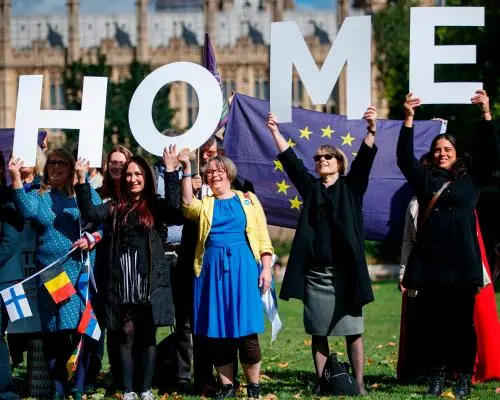 Home Office Faces Lawsuits After Revoking EU Residents’ Rights
The concern centers on local election boards in battleground regions. Observers worry that partisan officials might refuse to certify results based on unsubstantiated claims of fraud. Such actions are designed to create chaos, potentially forcing legal intervention or delaying the transition of power. This strategy shifts the battlefield from the polling station to the administrative chambers where winners are officially declared.
Legal scholars argue that this approach targets the procedural mechanics of democracy. By questioning the integrity of the count, activists hope to undermine public confidence in the final tally. This tactic relies on local officials who have previously expressed skepticism about past election outcomes. If these individuals stall the certification process, it could trigger a cascade of constitutional crises.
Could Procedural Delays Undermine National Stability?
The risk is particularly high in states where election laws provide broad discretion to local canvassing boards. While these boards traditionally perform a ministerial role, there is growing pressure to treat them as gatekeepers of legitimacy. Experts warn that even temporary delays could be used to fuel misinformation campaigns. These campaigns often aim to pressure state legislatures into intervening in the electoral process.
The potential for widespread disruption remains a significant concern for civil rights groups. They are currently training observers to monitor certification meetings for signs of illegal obstruction. If officials refuse to sign off on verified results, litigation is expected to follow immediately. The judiciary would then be forced to decide if local boards have the authority to bypass established election outcomes.
Ultimately, the integrity of the upcoming cycle hinges on the adherence to statutory deadlines. Any deviation from these rules could lead to prolonged instability and a breakdown in the peaceful transfer of authority. Election officials are now bracing for intense scrutiny and potential legal battles throughout the post-election period.
Frequently Asked Questions
What happens if a local board refuses to certify an election? If a board refuses to certify, it typically triggers an immediate legal challenge. Courts often intervene to compel officials to perform their mandatory duties under state law.
Why is the certification period considered a high-risk time? This window is vulnerable because it involves administrative decisions that are less visible than the voting process itself. It provides an opportunity for partisan actors to create procedural gridlock.
What are election officials doing to mitigate these risks? Many jurisdictions are increasing transparency and providing extra training for board members. They are also preparing legal teams to respond quickly to any attempts to obstruct the certification process.