Water Restrictions and Daily Life
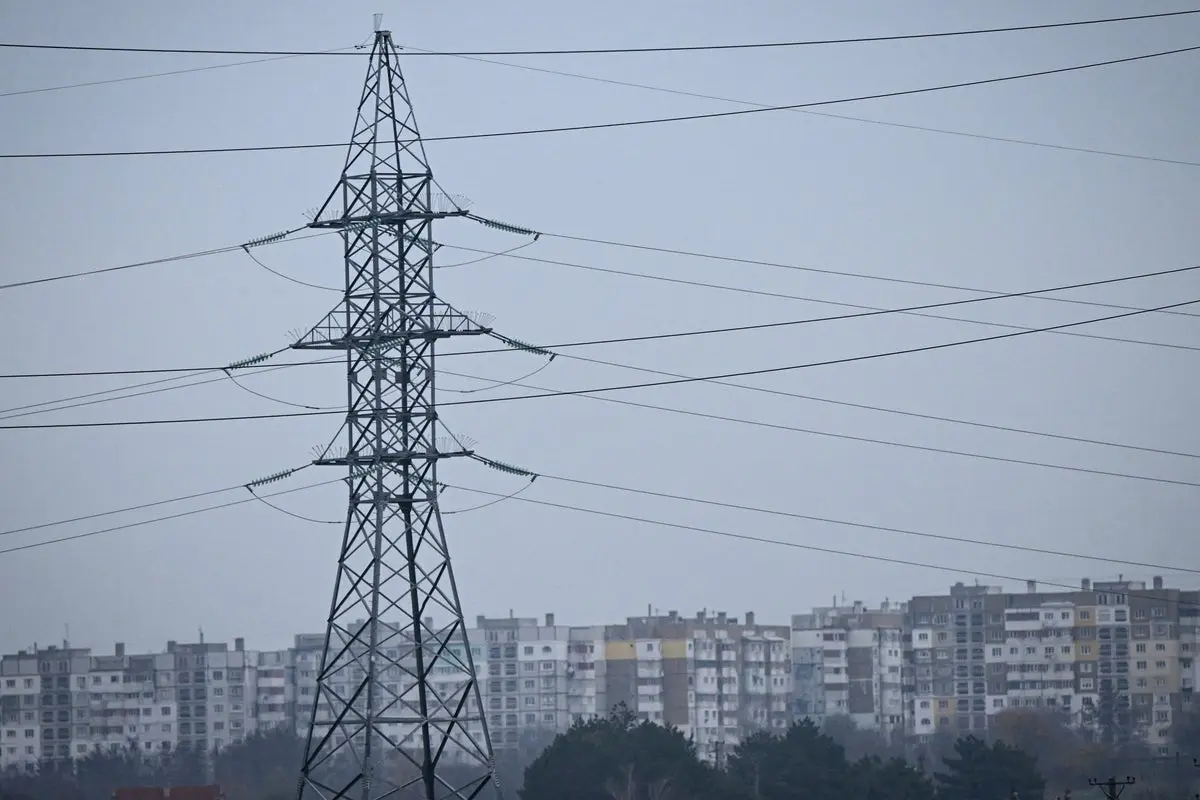
A European country announced a state of emergency on Tuesday amid growing fears of energy and water shortages. The move comes after reports of rising temperatures and dwindling supplies, prompting the government to consider restrictions on non‑essential water use. The declaration signals a serious shift in national policy. The government cited a combination of climate change, aging infrastructure, and increased demand as drivers of the crisis. Energy grids are strained by heat waves that push consumption to record highs, while reservoirs have fallen below critical levels. Authorities warn that without immediate action, households and businesses could face supply interruptions.
Latest news
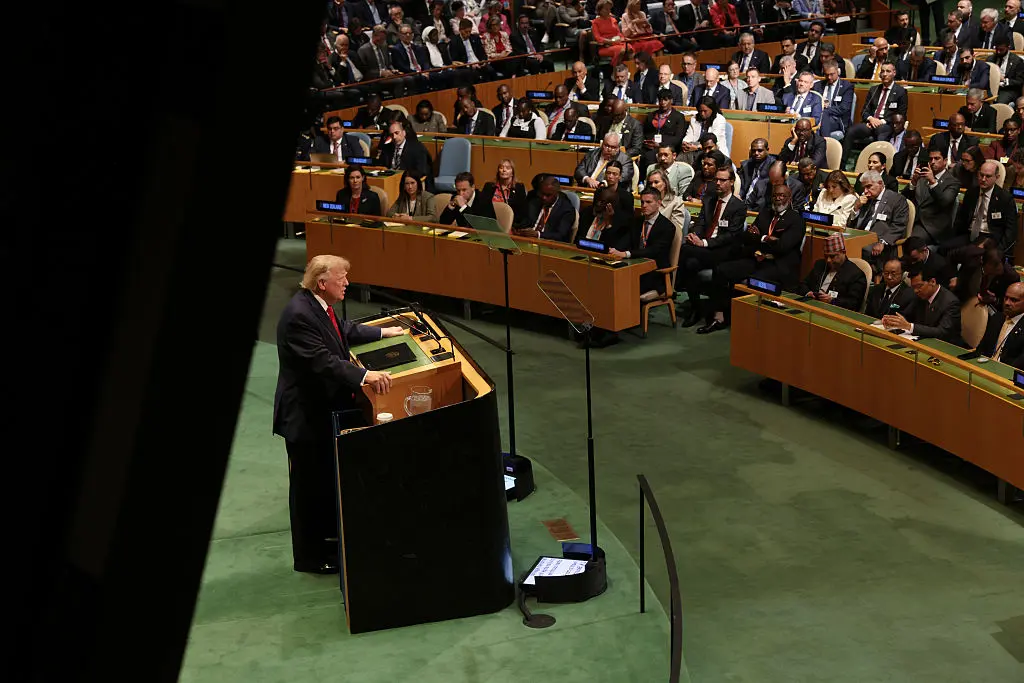 President Trump Declares Force the Path to Peace at UN Assembly
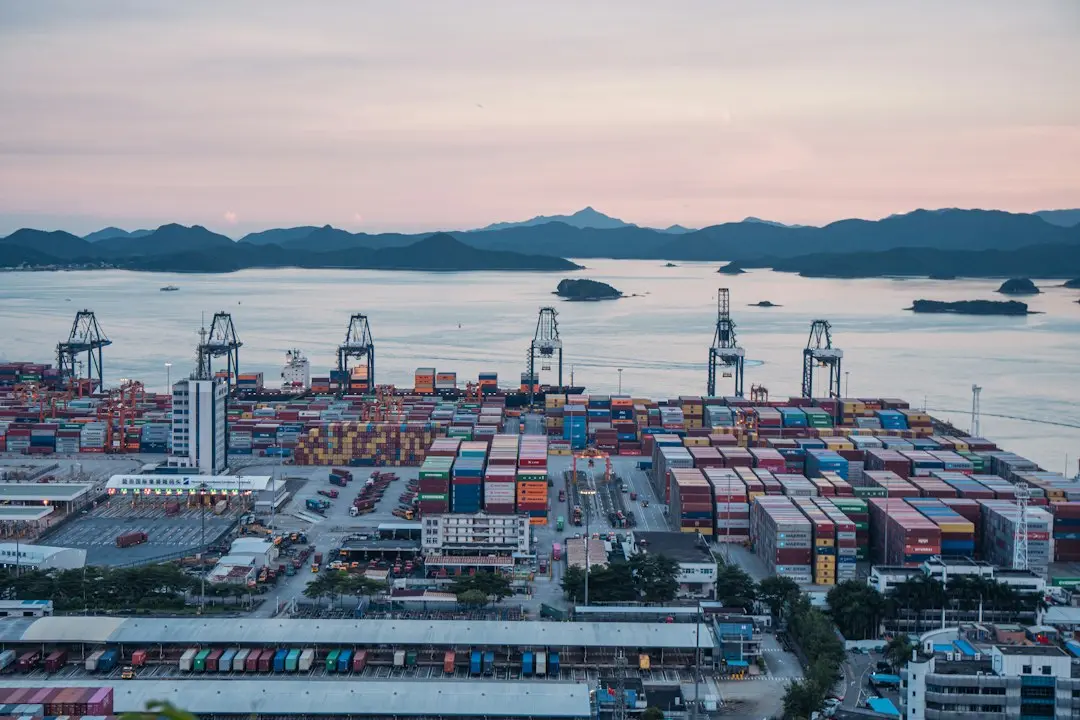 China’s Clean Energy Exports Surge Amid Iran Conflict, Boosting Xi’s Leverage in U.S. Talks
 Carney Commits $100 Million to Palestinian Aid at
 Family Claims Neglect Led to Death of Costa Rican Detainee in ICE Custody
The ministry has issued guidelines limiting water usage for households, schools, and small businesses. Residents are urged to reduce shower times, avoid lawn watering, and use greywater for irrigation. The policy applies nationwide but is stricter in regions with the lowest reservoir levels. Officials say the restrictions are temporary, lasting until the next full water inventory.
Minister Gheorghe Hajder explained that the decision is based on scientific models predicting a 20% drop in available water next year. „We cannot ignore the data,” he said. „Our priority is to safeguard essential services while we work on long‑term solutions.” The ministry will monitor compliance through local councils and issue penalties for violations.
Energy Supply and International Cooperation
Energy security is also a top concern. The country’s power plants rely heavily on imported natural gas, and recent geopolitical tensions have disrupted supply chains. The government has requested emergency funding from the European Union to diversify energy sources and invest in renewables. A temporary increase in electricity tariffs is also under consideration to fund infrastructure upgrades.
The European Commission has offered technical assistance to help the nation improve grid resilience. Experts suggest that expanding battery storage and integrating wind farms could reduce dependence on fossil fuels. Meanwhile, the national grid operator plans to implement demand‑response programs to lower peak usage during heat waves.
Beyond immediate measures, authorities are drafting a comprehensive climate adaptation plan. The plan includes building new reservoirs, improving irrigation efficiency, and encouraging the adoption of drought‑resistant crops. The government also intends to revise water‑management regulations to promote sustainable usage across all sectors.
Long‑Term Resilience: Climate Adaptation and Policy Reform
Public reaction has been mixed. Some citizens appreciate the proactive stance, while others fear the economic impact of higher utility costs and stricter regulations. The government assures that support will be provided to vulnerable households, including subsidized water meters and energy‑efficient appliances.
The state of emergency is expected to last until the end of the summer season. If conditions improve, the government may lift restrictions. However, officials warn that the country must prepare for a new normal where water and energy scarcity could become routine. The crisis underscores the urgent need for coordinated action between national governments, businesses, and the public to build resilience against climate‑induced shocks.
Frequently Asked Questions
What does a state of emergency mean for citizens? It allows the government to enforce restrictions on non‑essential water use and adjust energy tariffs to stabilize supplies. Citizens must comply with guidelines and may receive support for vulnerable households.
How will water restrictions affect daily routines? Households will need to limit shower time, avoid lawn watering, and use greywater for irrigation. Schools and small businesses will also face usage caps, but essential services remain unaffected.
What steps are being taken to secure energy supply? The government is seeking EU funding to diversify energy sources, invest in renewables, and expand grid storage. Demand‑response programs will be introduced to reduce peak consumption during heat waves.