Challenges for the Governing Coalition
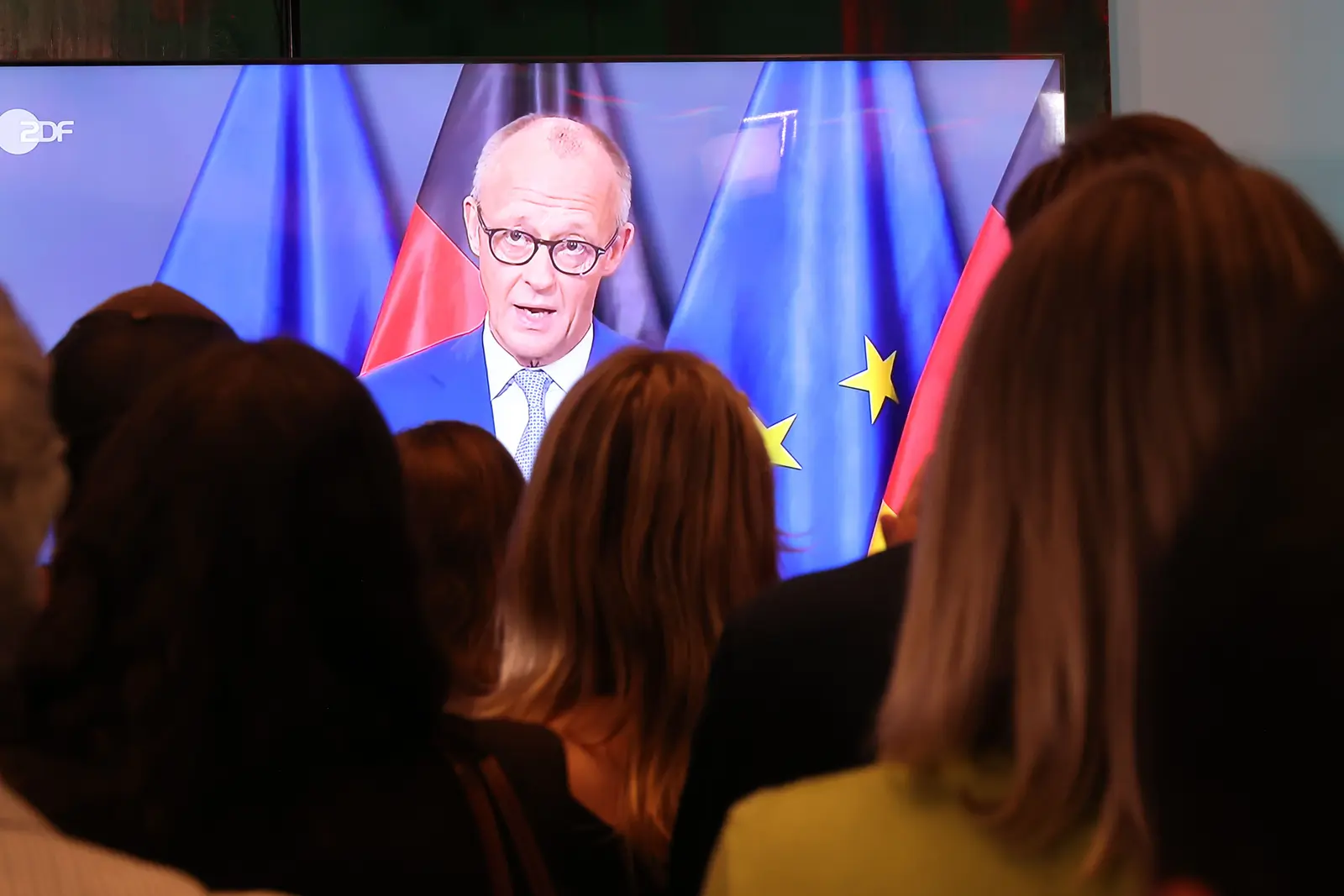
German Chancellor Friedrich Merz remains in power following a significant electoral setback for his Christian Democratic Union party in Mecklenburg-Western Pomerania. The results, finalized on September 20, 2026, represent a major blow to the political center. Merz addressed the outcome early the next morning, acknowledging the gravity of the defeat.
Latest news
 Ukraine Faces a Massive Challenge Integrating Millions of Returning Veterans
 Climate Disasters Reveal the Futility of Partisan Blame
 Meloni Proposes School Burqa Ban and Caps on Foreign Students
 Chinese Vessels Advance Into Arctic Waters Amid US Security Concerns
The election results have sent shockwaves through the national political establishment. Analysts view the outcome as a clear signal of voter dissatisfaction with current federal policies. The Chancellor’s party struggled to maintain its traditional base, losing critical support to emerging political factions across the state.
The loss in Mecklenburg-Western Pomerania highlights deep fractures within the German political landscape. Merz described the results as a disaster for the mainstream political center during his post-election remarks. Party officials are now scrambling to evaluate how these regional trends might influence upcoming national legislative priorities.
Will the Chancellor Face Internal Pressure?
The defeat forces the Chancellor to reassess his administration's strategy as public pressure mounts. Critics argue that the party’s platform failed to resonate with local concerns, leading to a noticeable shift in voter loyalty. Maintaining party unity will be a central challenge for Merz in the coming weeks.
Despite the poor showing, Merz has signaled his intention to hold his ground. He faces the difficult task of stabilizing his coalition while addressing the grievances expressed by voters at the polls. Whether this loss will trigger a broader leadership crisis remains a primary concern for political observers.
The path forward requires a delicate balance of policy adjustments and political damage control. Merz must now prove that his leadership can withstand regional volatility without fracturing his national government. The coming months will determine if this election was an isolated event or a sign of a larger decline.
Frequently Asked Questions
What was the primary outcome of the election? The Chancellor's party suffered a significant defeat in the Mecklenburg-Western Pomerania state elections. This result has been characterized by leadership as a disaster for the political center.
How did the Chancellor respond to the loss? Friedrich Merz acknowledged the severity of the electoral defeat immediately following the closure of polling stations. He has expressed his intention to remain in office despite the setback.
What does this mean for the national government? The loss forces the ruling coalition to re-evaluate its current strategies and address voter dissatisfaction. It creates increased pressure on the Chancellor to maintain party unity and stabilize his administration.