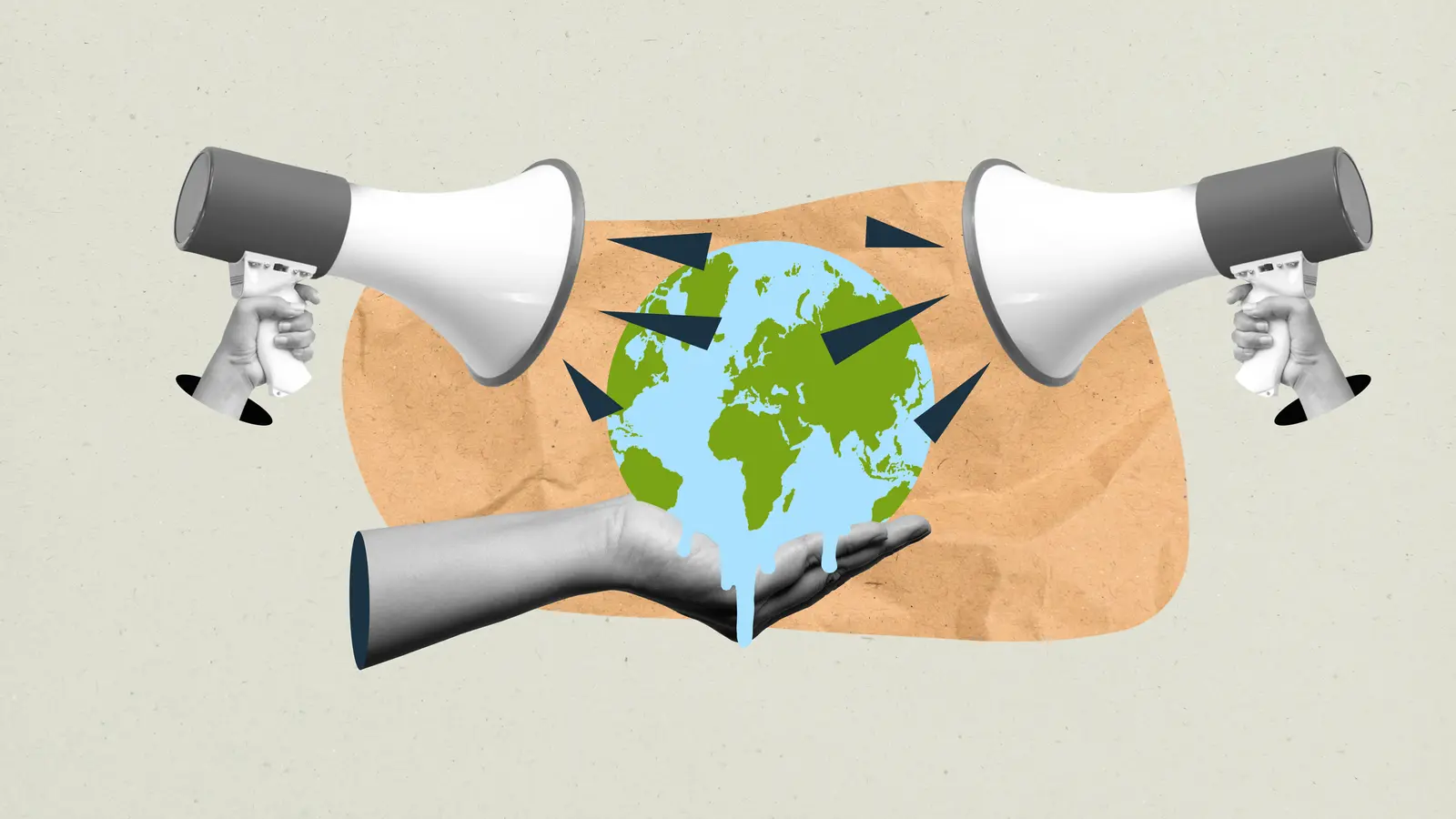
Why Blaming Politics Undermines Preparedness
This summer’s wave of floods, wildfires, and extreme heat has made one thing undeniable: climate impacts do not discriminate by political affiliation. Across the United States, communities from coastal regions to inland forests are experiencing devastation regardless of how residents voted in recent elections. The pattern is clear—rising temperatures and intensifying weather events affect everyone, rendering partisan framing not only inaccurate but dangerously misleading.
Latest news
 Professor Warns German Far‑Right Leader Is in a Precarious Spot
 Georgescu Detained on Fraud Charges After Presidential Bid
 EU Faces Deadlock Over French Push to Remove Russian Billionaire From Sanctions List
 Greek Stock Market Joins Global Elite Exchanges After Decade of Debt Crisis
The source material emphasizes that natural disasters operate without political bias. Floodwaters do not pause to check voter registration before inundating homes, and wildfire smoke does not distinguish between Republican and Democratic households as it chokes the air. This reality underscores a growing consensus among scientists and emergency responders: framing climate change as a partisan issue obstructs timely action and diverts focus from solutions that benefit all.
How Can Communities Move Beyond Division?
When leaders frame climate resilience through a partisan lens, resources often become delayed or misallocated. In several states affected by this summer’s disasters, debates over whether to attribute extreme weather to climate change have slowed the adoption of adaptation measures like improved drainage systems or forest management policies. Experts argue that such delays increase long-term costs and put lives at risk. One climatologist noted that treating climate impacts as negotiable based on ideology is like arguing about the color of a fire truck while the building burns.
The path forward requires shifting focus from assigning blame to implementing practical, locally driven strategies. In regions hit hardest this season, bipartisan working groups have begun forming to address infrastructure vulnerabilities and emergency response gaps. These efforts prioritize shared goals—protecting homes, maintaining access to clean water, and ensuring public safety—over ideological victories. Early results show that when politics is set aside, cooperation emerges more easily, especially when solutions are tailored to local needs rather than national narratives.
Does acknowledging climate change mean endorsing a specific political agenda? No. Recognizing the reality of changing weather patterns and preparing for its effects is a matter of risk management, not ideology. Communities across the political spectrum are taking steps to adapt based on observed threats.
Frequently Asked Questions
Can local action really make a difference if national policies remain divided? Yes. While federal coordination helps, much of climate adaptation happens at the municipal or county level—through zoning updates, emergency planning, and infrastructure upgrades—that can proceed regardless of broader political gridlock.
Is it too late to avoid worsening impacts? While some level of change is already locked in, every fraction of a degree of warming avoided reduces future harm. Immediate action to cut emissions and build resilience still significantly improves outcomes for future generations.