Russia's Shifting Disinformation Strategy
Germany is bracing for a wave of online falsehoods ahead of four upcoming elections this autumn. Numerous fabricated posts are spreading, aiming to undermine candidates and paint a picture of national disunity. Experts suggest Russia is behind these efforts, now focusing on local political figures.
Latest news
 Anthropic Announces $31 Billion Data Centre Deal in Western Queensland
 Veteran Journalist Hugh Riminton Announces Retirement After Nearly Five Decades
 How the 1980s Permanently Shaped America
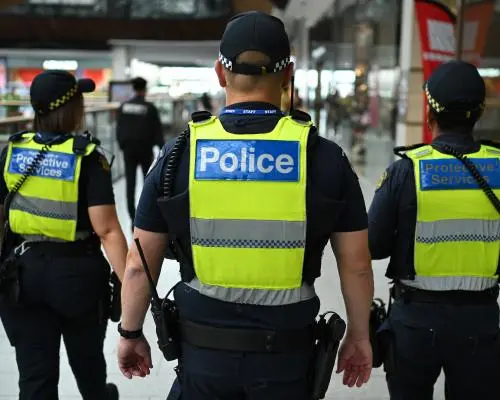 Victorian Police Gain Random Stop-and-Search Powers Under New Jacks Law
These disinformation campaigns seek to manipulate public opinion. They create a false narrative about Germany's political landscape. The goal is to sow discord and erode trust in democratic processes.
Analysts have identified a clear pattern. Russian disinformation operations are increasingly targeting local candidates. This represents a strategic shift from previous, broader campaigns. By focusing locally, they hope to achieve a more granular impact. This approach could destabilize political discourse at the community level.
How Does This Affect Voters?
The content of these fake posts is designed to discredit individuals. It often uses misleading information or outright fabrications. The aim is to damage reputations and influence voter perception.
The spread of false information can significantly impact voter behavior. It makes it harder for citizens to make informed decisions. Trust in legitimate news sources can also decline. This erosion of trust is a key objective of disinformation campaigns. Voters might become cynical or disengaged from the political process.
The ongoing threat of foreign interference highlights vulnerabilities in online information ecosystems. Protecting electoral integrity requires constant vigilance. Fact-checking initiatives play a crucial role in countering these narratives.
Frequently Asked Questions
What is the main goal of this disinformation? The primary goal is to discredit political candidates and create a perception of division within Germany. It aims to undermine public trust in the electoral system.
Who is believed to be behind these campaigns? Analysts have indicated that Russia is targeting the German elections with these disinformation efforts. This suggests a state-sponsored campaign.
How are these campaigns different from past efforts? These campaigns are now specifically targeting local candidates, which is a shift from previous, more general disinformation strategies. This allows for a more focused impact.