The Strategic Dilemma for Future Leadership
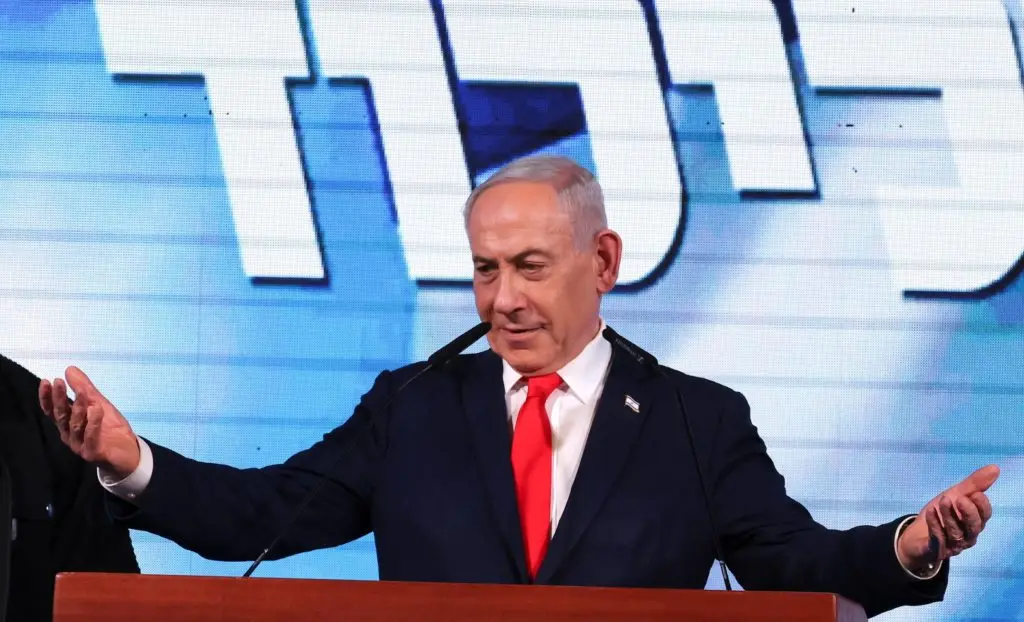
Israel remains mired in deep political uncertainty following a recent national election that failed to produce a clear governing majority. Voters headed to the polls across the country this week, but the fragmented results have left the nation without a stable path forward. Leaders now struggle to form a viable coalition government.
Latest news
 Bayer Wins Missouri Trial Over Roundup Cancer Claims
 Rural communities may be left out of public support programs because screening tools measure disadvantage in ways that overlook their specific needs
 Brazilian Election Reveals the Donroe Doctrine Is a Mirage
 Is 2026 the year democracy finally fought back?
The electoral stalemate reflects a deeply divided electorate grappling with complex national security and domestic concerns. Without a definitive mandate for any single party, the political landscape remains paralyzed. Observers note that the lack of a clear winner complicates the nation's ability to address pressing regional challenges effectively.
Military experts argue that the current political vacuum complicates Israel’s approach to ongoing security threats. A retired general noted that the lack of a strong, unified government hinders long-term strategic planning. Without a stable cabinet, the state finds it difficult to project a consistent policy toward its neighbors.
Can a Fragile Coalition Restore Stability?
The deadlock forces political parties into difficult negotiations that may require uncomfortable compromises. Smaller factions now hold significant leverage, potentially pulling the next government toward extreme positions. This instability could delay critical decisions regarding defense spending and regional diplomatic initiatives.
The central question remains whether a coalition can be formed before the country is forced into yet another round of elections. History suggests that such fragmented parliaments often struggle to survive for their full terms. If leaders fail to bridge their ideological gaps, the cycle of instability will likely continue.
Frequently Asked Questions
The immediate future depends on the willingness of rival parties to set aside personal grievances for the sake of governance. Failure to do so could leave the nation in a state of administrative limbo for months. Citizens are now waiting to see if their representatives can prioritize national stability over partisan gains.
Why did the election fail to produce a clear winner? The election resulted in a highly fragmented parliament where no single party or bloc secured the necessary majority to form a government. This reflects a deeply polarized electorate with diverse and often conflicting priorities.
What are the main consequences of this political deadlock? The primary consequence is a lack of stable governance, which hampers the state’s ability to address security and economic issues. It also increases the likelihood of further political instability or the need for snap elections.