Can Lula Reverse Deforestation Trends?
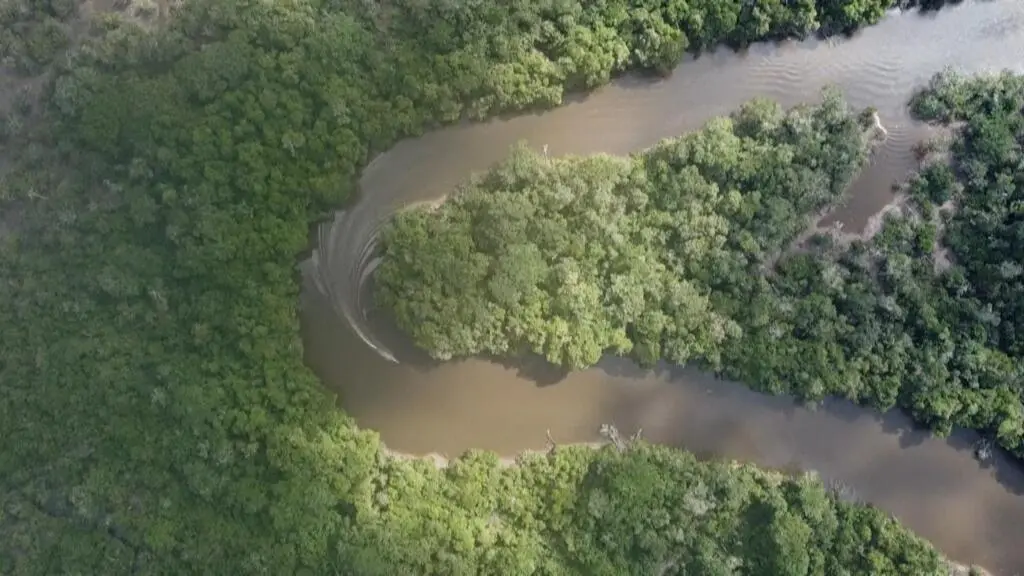
Brazilian President Luiz Inacio Lula da Silva won re-election, prompting climate activists to celebrate the victory. Deforestation in the Amazon has fallen to a record low, a trend activists credit to his environmental policies.
Latest news
 Trump Praises Quebec Separatist Premier Amidst Trade Tensions
 Spain Deports Migrants from Ceuta, Drawing Sharp Criticism from Rights Groups
 Federal Agents Raid Beverly Hills Home Tied to Eric Swalwell Probe
 Oriel College Told to Cancel Nathan Cofnas Event After Jason Arday's Death
The drop in deforestation reflects years of enforcement and conservation efforts under Lula's first term. Activists see his return as a chance to sustain this progress and protect the rainforest from further clearing.
What Does This Mean for Global Climate Goals?
Lula's administration has focused on protecting the Amazon through stricter enforcement against illegal logging and mining. The recent decline in deforestation suggests these policies are working. Climate groups argue that continued political will is essential to keep the downward trend going.
The Amazon plays a critical role in regulating global climate. Reduced deforestation means less carbon released into the atmosphere, helping countries meet Paris Agreement targets. Brazil's leadership on the rainforest sets an example for other tropical nations.
Why is Lula's re-election significant for the Amazon? Lula's first term established strong environmental protections. His return signals continuity of those policies, which activists link directly to the recent deforestation drop.
Frequently Asked Questions
How much has deforestation decreased? Deforestation has fallen to a record low, a milestone activists attribute to Lula's conservation agenda. The exact percentage varies by reporting period, but the downward trend is consistent.
Will deforestation stay low under Lula's second term? Activists are cautiously optimistic but warn that political and economic pressures could reverse progress. Sustained enforcement and funding for conservation remain key factors.