Diplomacy Beyond the Treaty Table
Washington is currently debating its strategic presence in the Pacific Islands. Critics argue that the United States has effectively disappeared from the region. This absence has created a vacuum that other powers are eager to fill. The core issue is not just military or economic aid. It is about the nature of diplomatic engagement.
Latest news
 Ukraine Strikes Persist While Russian Polling Stations Open for Election
 Macron Calls French Party Leaders Together as Energy Costs Surge Amid Iran and Ukraine Conflicts
 US Voters Oppose War on Iran, 71% Say Trump Administration Lacks Strategy
 French President Warns of Rising Russian Hybrid Threats to Europe
The debate centers on how the U. S. interacts with small island nations. Many observers claim American diplomats focus too much on formal agreements. They often neglect the informal bonds that drive decision-making in these communities. This approach contrasts sharply with competitors who prioritize personal connections.
In the Pacific, business is personal. Decisions are rarely made solely based on written contracts or geopolitical calculations. Trust is built through face-to-face interactions and shared experiences. The United States has historically relied on large-scale infrastructure projects and security pacts. While valuable, these tools do not always build the deep loyalty required for long-term influence.
Why Formal Agreements Fall Short
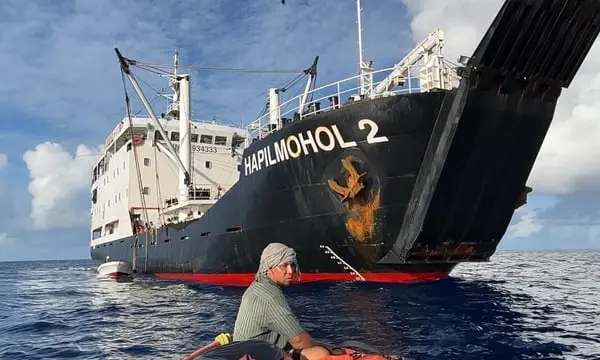
A recent example highlights this disconnect. A ship donated by China now serves as the only regular transport link for the Yap island chain. This vessel is more than just a logistics asset. It represents a tangible, daily reminder of Chinese presence. For local residents, the ship symbolizes reliability and connection. It reinforces the idea that Beijing understands their specific needs.
American policy makers must recognize that aid is not just about money. It is about showing up consistently. When the U. S. is perceived as absent, rivals step in. They offer solutions that feel immediate and personal. This dynamic shifts power balances in ways that traditional statecraft does not easily predict.
Small island states operate within tight-knit social structures. Leadership changes can be fluid, and consensus matters more than majority rule. If the U. S. only engages with high-level officials during crisis moments, it misses the broader picture. Local leaders need partners who understand the community fabric.
The current strategy often treats Pacific islands as a single block. However, each nation has unique cultural and political nuances. A one-size-fits-all approach fails to address these differences. Competitors are adapting by sending smaller, more flexible teams. These teams spend time on the ground, building rapport before discussing policy.
Frequently Asked Questions
The U. S. needs to shift from transactional diplomacy to relational diplomacy. This means investing time in understanding local customs. It requires patience and consistent communication. Without this foundation, even the most generous financial packages may fail to secure lasting support.
Why are relationships so important in Pacific politics? Social cohesion drives decision-making in many Pacific Island nations. Leaders often seek consensus within their communities rather than relying solely on institutional mandates. Personal trust validates political choices.
How does the China-donated ship affect U. S. influence? The ship provides essential connectivity for the Yap chain. Its presence demonstrates a sustained commitment to local logistics needs. This tangible support strengthens China’s soft power in the region.