How Does the War Shape Voter Choices in This Election?
Russians cast ballots in the first parliamentary elections since the full-scale invasion of Ukraine began, with voting taking place across the country's vast territories on a single day. Observers note the election occurs amid tightened political controls and widespread international sanctions, shaping a climate where dissent is increasingly risky. While official framing presents the vote as a democratic exercise, many citizens and independent analysts describe it as a predetermined outcome designed to legitimize the current leadership's agenda.
Latest news
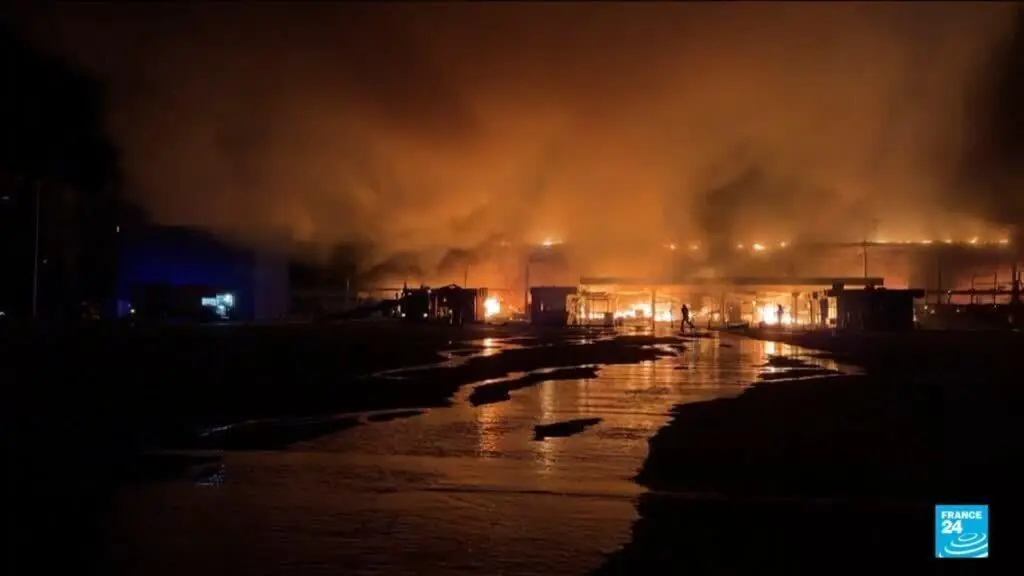 Ukraine Strikes Persist While Russian Polling Stations Open for Election
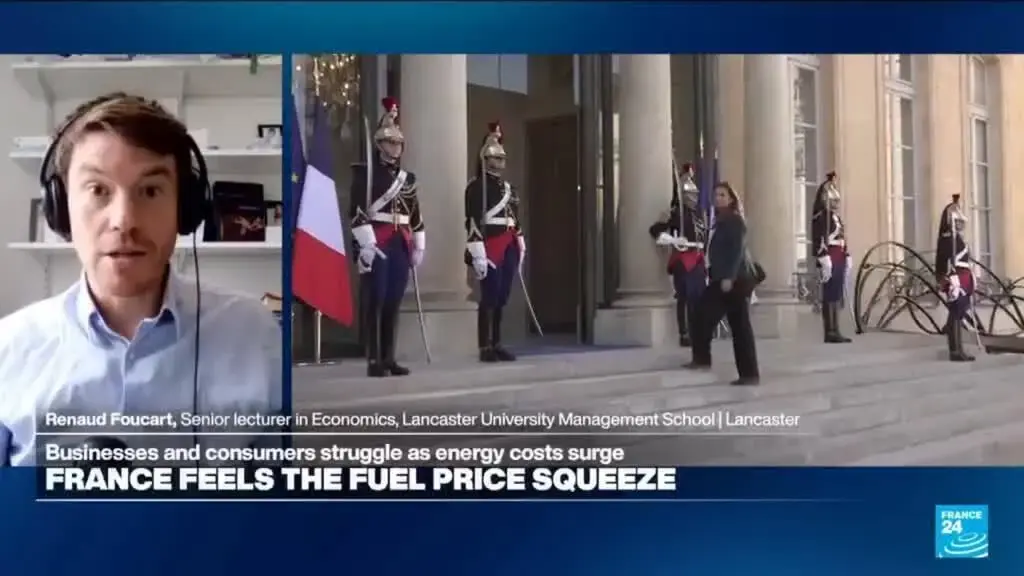 Macron Calls French Party Leaders Together as Energy Costs Surge Amid Iran and Ukraine Conflicts
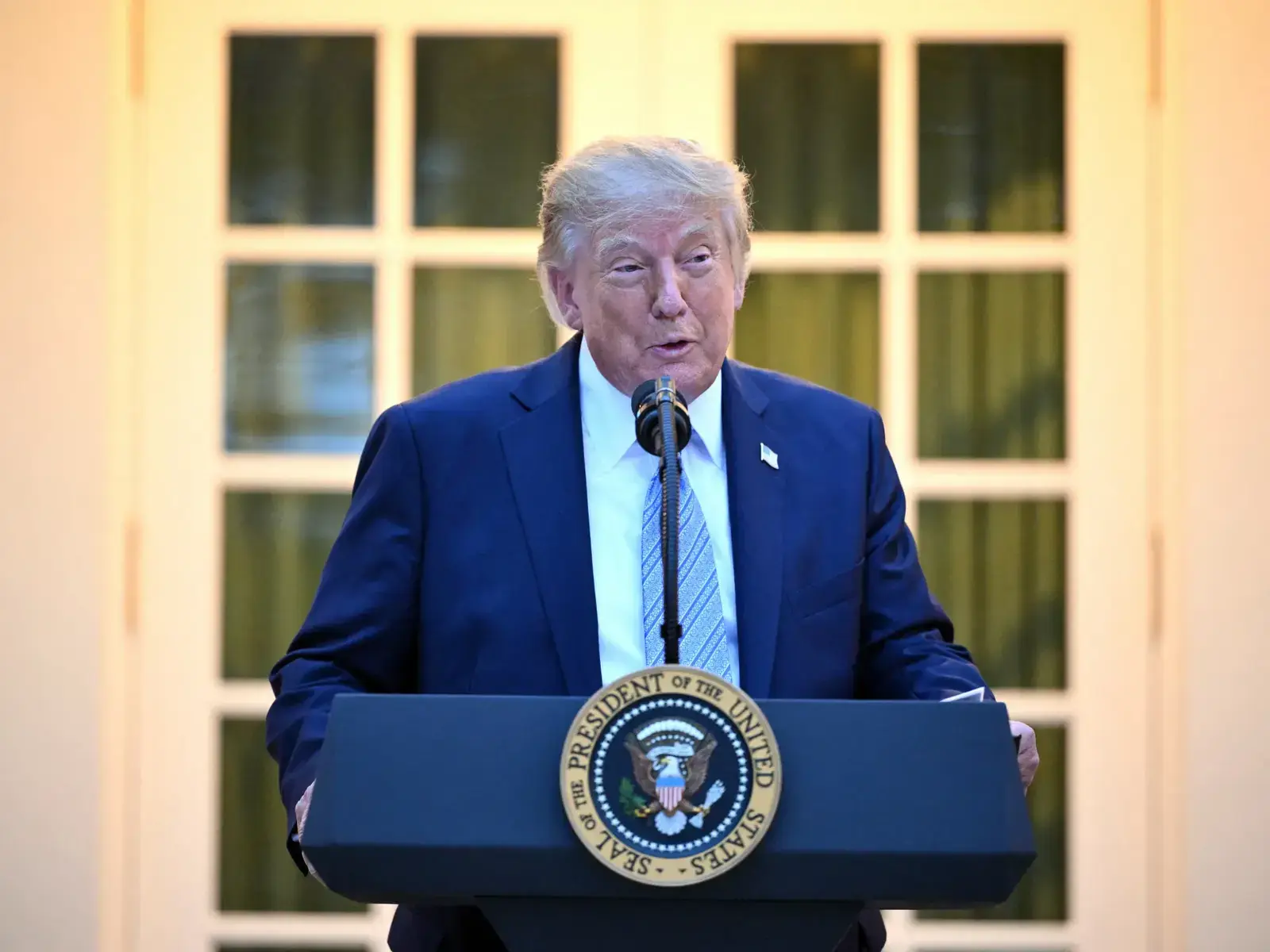 US Voters Oppose War on Iran, 71% Say Trump Administration Lacks Strategy
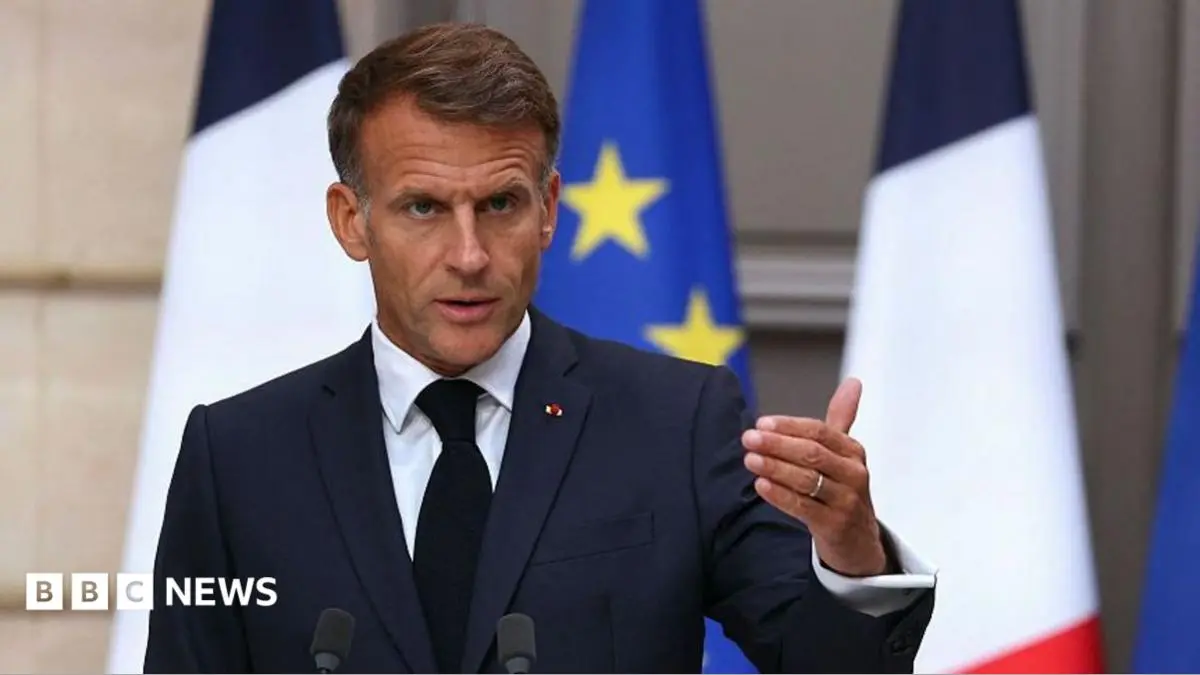 French President Warns of Rising Russian Hybrid Threats to Europe
The election unfolds under laws that bar any party from openly opposing the war, effectively removing anti-war voices from the ballot. Kremlin-aligned parties dominate the field, promoting narratives of national unity and resistance to Western influence, while systemic barriers prevent genuine opposition groups from registering or campaigning freely. State media amplifies pro-government messaging, framing the vote as a show of patriotism, whereas critics argue the process lacks real competition and serves to consolidate power rather than reflect public will. Reports from polling stations indicate steady turnout in urban centers, though independent verification remains difficult due to restricted access for foreign monitors.
Can This Election Legitimize Russia's Wartime Leadership Amid Global Isolation?
With no legal avenue to express anti-war sentiments, voters face a constrained choice between supporting the official stance or abstaining, as opposition to the conflict is not permitted on ballots. Many citizens who oppose the war report feeling politically homeless, unable to vote according to their conscience without risking repercussions. Conversely, others see participation as a duty to back national leadership during what they frame as an existential struggle against NATO encroachment. This dynamic has turned the election into less a measure of policy preference and more a test of loyalty to the state's wartime narrative, with little room for nuanced debate on the conflict's costs or direction.
Despite international condemnation of both the invasion and the electoral process, the Kremlin aims to use the vote to project domestic unity and resilience. By securing a parliamentary majority composed of loyalists, leadership seeks to strengthen its mandate for continued military action and resist external pressure for negotiations. However, sustained economic strain from sanctions and battlefield setbacks may undermine the long-term effectiveness of such legitimacy efforts, particularly if public dissatisfaction grows beneath the surface of official displays of support.
Why are there no anti-war parties in the election? Russian election laws prohibit any party from taking an anti-war stance, as authorities classify such positions as discrediting the military, effectively barring them from registration or participation.
Frequently Asked Questions
What do critics say about the fairness of this vote? Independent observers and opposition figures describe the election as a sham, citing lack of real competition, media bias, and voter intimidation, arguing it serves to legitimize power rather than reflect genuine public choice.
How might the election results affect Russia's war strategy? A strong showing for pro-government parties could reinforce leadership's resolve to continue the conflict, framing the outcome as public endorsement of current policies despite ongoing challenges.