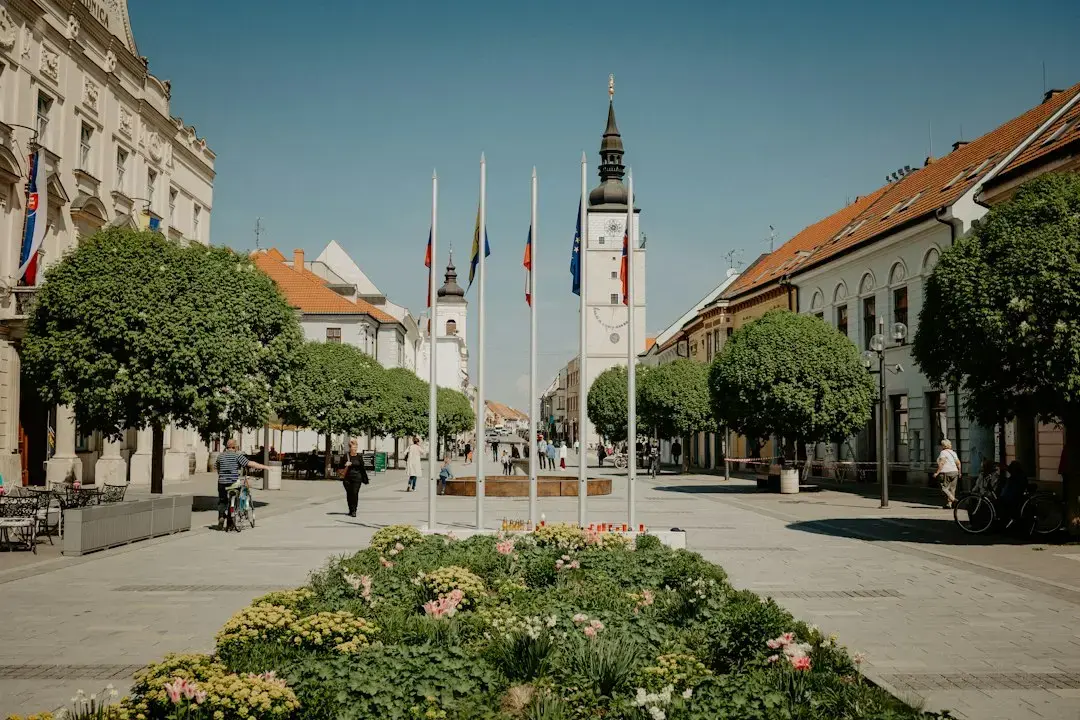
Fico’s stance reflects deeper divisions within NATO
Bratislava, Slovakia — Slovak Prime Minister Robert Fico has publicly challenged the strength of NATO’s Article 5 mutual defense clause, arguing that Western support for Ukraine risks provoking a broader conflict with Russia. His remarks come amid ongoing debates within the alliance about the limits of collective security in the face of the war in Ukraine.
Latest news
 Russia's First Parliamentary Vote Since Ukraine Invasion Draws Skepticism and Nationalist Hopes
 Who gets to decide how quickly AI moves?
 Celebrating 20 Years of the Gordon Parks Foundation Through Landmark Photographs
 Disabled Britons barred from overseas travel, sparking controversy
Fico, a long-time critic of Western policy toward Moscow, has repeatedly claimed that supplying arms to Ukraine and imposing sanctions on Russia are escalatory moves that could trigger a direct confrontation between NATO and Russia. He maintains that Slovakia’s national interest lies in avoiding entanglement in a war that does not directly threaten its borders. His stance has placed him at odds with other NATO members who view continued support for Kyiv as essential to deterring further Russian aggression.
The Slovak leader’s comments highlight growing fissures among alliance members over how to respond to Russia’s invasion. While countries like Poland and the Baltic states advocate for robust military aid to Ukraine, Fico insists that diplomatic engagement with Moscow should be prioritized. He has warned that NATO’s current trajectory could lead to a miscalculation that spirals into a larger war, a view he says is shared by many Slovaks concerned about energy costs and economic fallout from sanctions.
What does this mean for NATO unity?
His government has also resisted pressure to increase defense spending to NATO’s 2% of GDP target, arguing that resources should instead be directed toward domestic priorities. Despite this, Slovakia has continued to allow the transit of Western weapons through its territory to Ukraine, a compromise that has drawn criticism from both supporters and opponents of Kyiv.
Fico’s skepticism raises questions about the alliance’s ability to maintain a unified front as the war grinds on. While Article 5 remains formally intact, public dissent from a member state’s leader undermines the perception of solidarity that NATO relies on for deterrence. Analysts warn that repeated challenges to the alliance’s core principles could embolden adversaries and complicate joint planning for future crises.
Slovakia’s upcoming elections may further test the durability of its pro-NATO factions, as Fico’s party continues to gain traction with voters wary of foreign entanglements. Whether his influence will shift official policy or remain largely rhetorical remains to be seen.
Frequently Asked Questions
Why does Fico oppose NATO’s current approach to Ukraine? Fico believes that arming Ukraine and sanctioning Russia increases the risk of a direct NATO-Russia conflict, which he argues would endanger Slovakia and Europe without clear benefit.
Has Slovakia stopped supporting Ukraine militarily? No, Slovakia continues to permit the transit of Western military aid through its territory, though it has resisted sending its own weapons or increasing defense spending to NATO levels.
Could Fico’s views weaken NATO’s deterrence? His public doubts may weaken perceptions of unity, potentially affecting how adversaries assess NATO’s resolve, though Article 5 remains legally binding and unchanged.