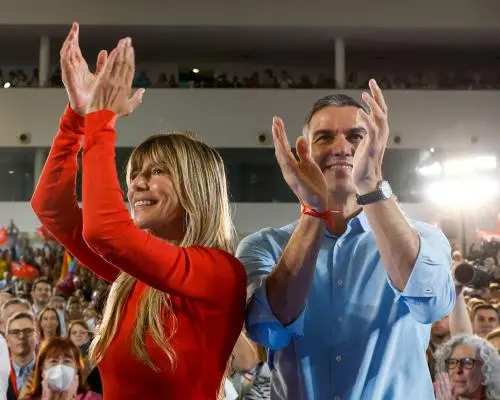
The Rise of Synthetic Media in Spanish Politics
The video displayed AI-generated images of individuals linked to Pedro Sanchez’s socialist party. These figures appeared to be reacting to the presence of Begoña Gomez, the spouse of the current head of government. The visual manipulation created a surreal narrative that confused many viewers. Critics argued that the use of synthetic media blurred the line between fact and fiction. This tactic aimed to portray the ruling coalition in a negative light during a critical campaign period.
Latest news
 Concerns Mount Over Potential Interference in Alaska Election Results
 Brazil Faces Pivotal Choice in High-Stakes Presidential Runoff
 Rising Diesel Costs Threaten Iowa Republican Midterm Prospects
 Trump Eases Tariffs to Aid Maine Senator
The controversy highlights how quickly digital tools are reshaping electoral strategies. The People’s Party utilized advanced algorithms to create realistic yet fabricated scenes. This approach allows parties to craft specific narratives without relying on live footage or traditional interviews. Consequently, voters must now verify visual evidence more rigorously than ever before. The speed of viral spread on platforms like X and Facebook amplified the confusion. Many citizens shared the clip before realizing it was not authentic. Political analysts suggest that this marks a turning point for transparency in Spanish governance.
The opposition party defended its choice by stating that the creative method captured the essence of their message. They claimed the emotional impact justified the technical means. However, critics from the socialist camp accused them of using „deep tricksto manipulate public sentiment. The phrase ”deepfakebecame a central keyword in daily news cycles across the country. Fact-checkers worked around the clock to debunk the viral images. They provided side-by-side comparisons showing the discrepancies in the original footage. This rapid response helped mitigate some of the initial shock among undecided voters.
Will Voters Trust Digital Campaigns in the Future?
The upcoming elections will serve as a test case for public acceptance of AI-driven campaigning. If the controversy persists, future candidates may face stricter scrutiny regarding their digital assets. Parties might need to label synthetic content clearly to maintain credibility. The current polarization in Spain makes such disputes particularly sensitive. Both major factions accuse each other of breaking unwritten rules of fair play. The introduction of technology into this dynamic adds a new layer of complexity. Citizens are increasingly aware that what they see online may not reflect reality.
The final outcome of the election remains uncertain despite this incident. While the deepfake generated significant noise, it may not determine the final vote count. However, it forces all candidates to address the issue directly in their debates. The government plans to propose regulations on political advertising standards soon. These measures aim to balance innovation with integrity in public discourse. As the countdown to voting day continues, the focus shifts back to policy proposals. Yet, the shadow of the artificial video lingers over the campaign trail. The trust deficit created by this event could influence turnout rates. Voters may demand clearer explanations from any candidate who uses similar techniques.
Frequently Asked Questions
Did the deepfake change the lead in opinion polls? Current polling data suggests the controversy did not drastically alter the existing gap between the top parties. Most voters remain focused on economic issues rather than the specific video incident.
How long does the general election process take in Spain? The voting day is scheduled for next month, following a standard legislative campaign period. Results are typically announced within a few days of the polls closing.
Will new laws regulate AI in political ads? Lawmakers have indicated that new guidelines will likely require clear labeling of synthetic media. This regulatory step aims to prevent similar confusion in future electoral cycles.