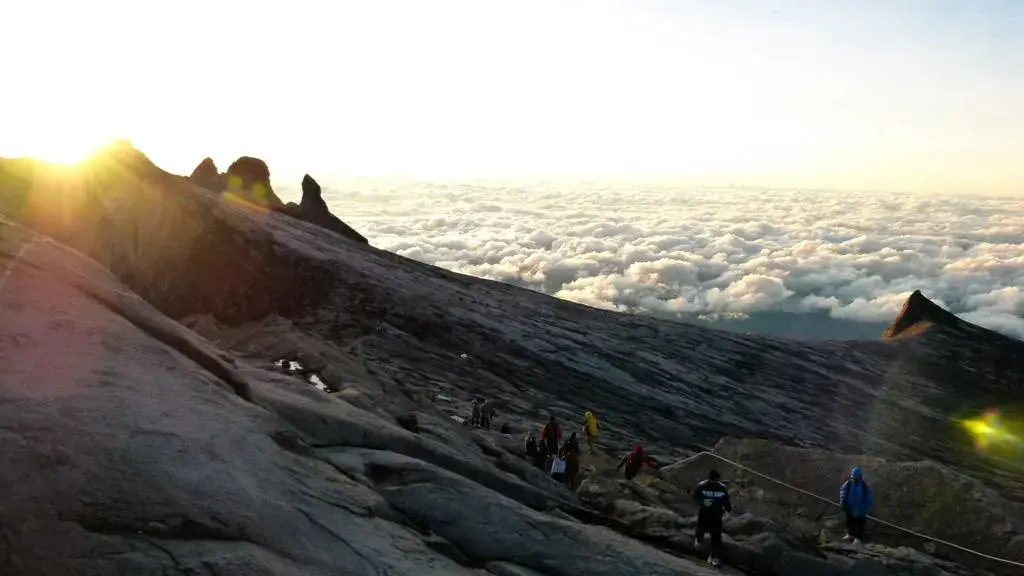
Such floods can destroy bridges, roads
Glaciers across the Himalayan range are retreating at an accelerated pace, raising alarms about water security and economic stability in India. Government assessments indicate that 56 glacial lakes have been classified as very high riskdue to rapid ice loss and expanding water volumes. This development poses a growing threat to communities and infrastructure downstream. The melting is driven by rising temperatures linked to climate change, which is causing glaciers to shrink faster than historical averages. As ice disappears, glacial lakes form and grow, increasing the likelihood of sudden outburst floods that can devastate valleys, hydropower projects, and agricultural land. Experts warn that without intervention, these events could disrupt water supplies for millions who depend on glacier-fed rivers. How Glacial Lake Outbursts Threaten Key Sectors The expansion of unstable glacial lakes heightens the risk of glacial lake outburst floods (GLOFs), which have already caused damage in recent years.
Latest news
 Why My Kyiv Visit Worried Me So Much
 FBI Director Kash Patel to Testify Before Senate Judiciary Committee on Oversight Matters
 Hochul’s how-to guide to stopping ICE
 First Parliamentary Vote Marks End of Decades‑Long Conflict in Muslim Philippines
Such floods can destroy bridges, roads, and hydropower dams—critical components of India’s energy and transport networks. Agriculture in northern states, which relies on consistent river flow from glacial melt, may face erratic water availability, affecting crop yields and rural livelihoods. What Measures Are Being Taken to Reduce the Risk? Indian authorities have begun monitoring high-risk lakes more closely and are exploring early warning systems and controlled drainage to mitigate flood dangers. Scientists emphasize the need for regional cooperation, as glaciers span multiple countries including Nepal and Bhutan. Long-term strategies must include climate adaptation planning and investment in resilient infrastructure to protect vulnerable populations. Frequently Asked Questions Why are Himalayan glaciers melting faster than before? Increased global temperatures due to climate change are accelerating ice loss in the Himalayas, surpassing historical melt rates and destabilizing glacial systems. How many glacial lakes in India are considered very high risk?
According to government assessments
According to government assessments, 56 glacial lakes have been classified as very high riskdue to their potential to cause destructive outburst floods. What impact could glacial floods have on India’s economy? Glacial lake outburst floods can damage hydropower projects, disrupt transportation networks, and threaten agricultural productivity, posing significant risks to economic stability in affected regions.