The Burden of Global Conflict and Trade Policy
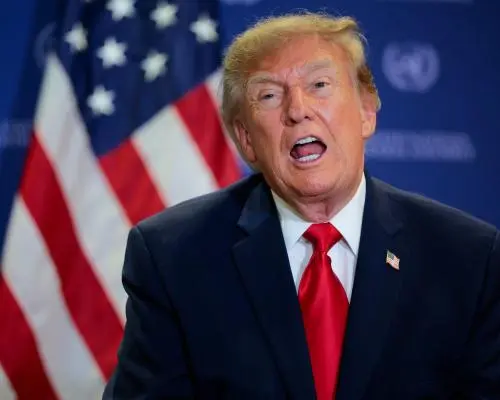
Former President Donald Trump is aggressively promoting his economic record as the midterm elections approach, frequently declaring he oversaw the greatest economy in history. Despite these bold assertions during recent White House remarks, current data suggests a more complicated reality as voters grapple with rising costs and shifting financial conditions.
Latest news
 Why Diesel Prices Are Rising and What It Means for Europe
 Impact of Fossil‑Fuel Lobbying on U.S. Academic Freedom
 Serbian President Aleksandar Vucic Resigns as Prime Minister
 Macron Calls for Renewed European Courage Amid Pope’s Metz Visit
The administration faces mounting pressure as inflation rates climb higher than those recorded during the previous transition of power. Economic growth has notably slowed, creating a disconnect between the former president’s rhetoric and the daily experiences of American households. Analysts point to a combination of aggressive tariff policies and geopolitical instability as primary drivers for the current financial strain.
The escalation of hostilities involving Iran has triggered a significant ripple effect on domestic energy markets. Gasoline prices have surged by approximately 50 percent since the onset of the conflict, placing a heavy burden on consumer budgets. These external pressures are compounded by trade strategies that have inadvertently contributed to the rising costs of essential goods across the country.
Is the Economic Narrative Collapsing?
While the former president maintains that his policies fostered unprecedented prosperity, the current economic landscape tells a different story. Voters are increasingly vocal about the impact of these policies on their purchasing power. The administration’s reliance on past economic metrics appears increasingly out of step with the current fiscal realities facing the average citizen.
The disparity between official claims and economic data raises serious questions about the political strategy moving forward. As the midterm cycle intensifies, the ability to convince a skeptical electorate will be tested by the harsh reality of household expenses. If inflation remains persistent and growth stays stagnant, the narrative of a historic economic recovery may struggle to gain traction with voters.
Frequently Asked Questions
The long-term consequences of these economic trends could reshape the political landscape significantly. Should energy prices remain elevated and purchasing power continue to decline, the current administration may find it difficult to defend its track record. Future economic performance will depend heavily on balancing international trade interests with the need for domestic price stability.
Why are gasoline prices currently so high? The surge in fuel costs is largely attributed to the ongoing conflict involving Iran, which has disrupted energy markets. This geopolitical instability has caused a roughly 50 percent increase in pump prices for American consumers.
How does current inflation compare to the previous administration? Inflation rates are currently higher than they were when Joe Biden left office. This rise in costs, combined with slower economic growth, has created significant challenges for the current administration’s economic platform.