Escalation of Hostilities in the Red Sea Region
President Donald Trump is considering a direct military intervention against Yemen’s Houthi rebels. This decision follows a recent attack on King Khalid International Airport in Riyadh. The incident marked a significant escalation in regional tensions. US officials are now reviewing options for active engagement. The administration aims to protect key infrastructure. This move signals a potential shift in American foreign policy.
Latest news
 Indian Court Orders Release of Youth Protest Movement Leaders Ahead of Major Demonstration
 Taiz hospitals face imminent collapse as Houthi siege intensifies
 Christian Identity in Britain Led by Non-Churchgoers, Study Finds
 US Justice Department Investigates News Outlets Over Trump Press Pool Boycott
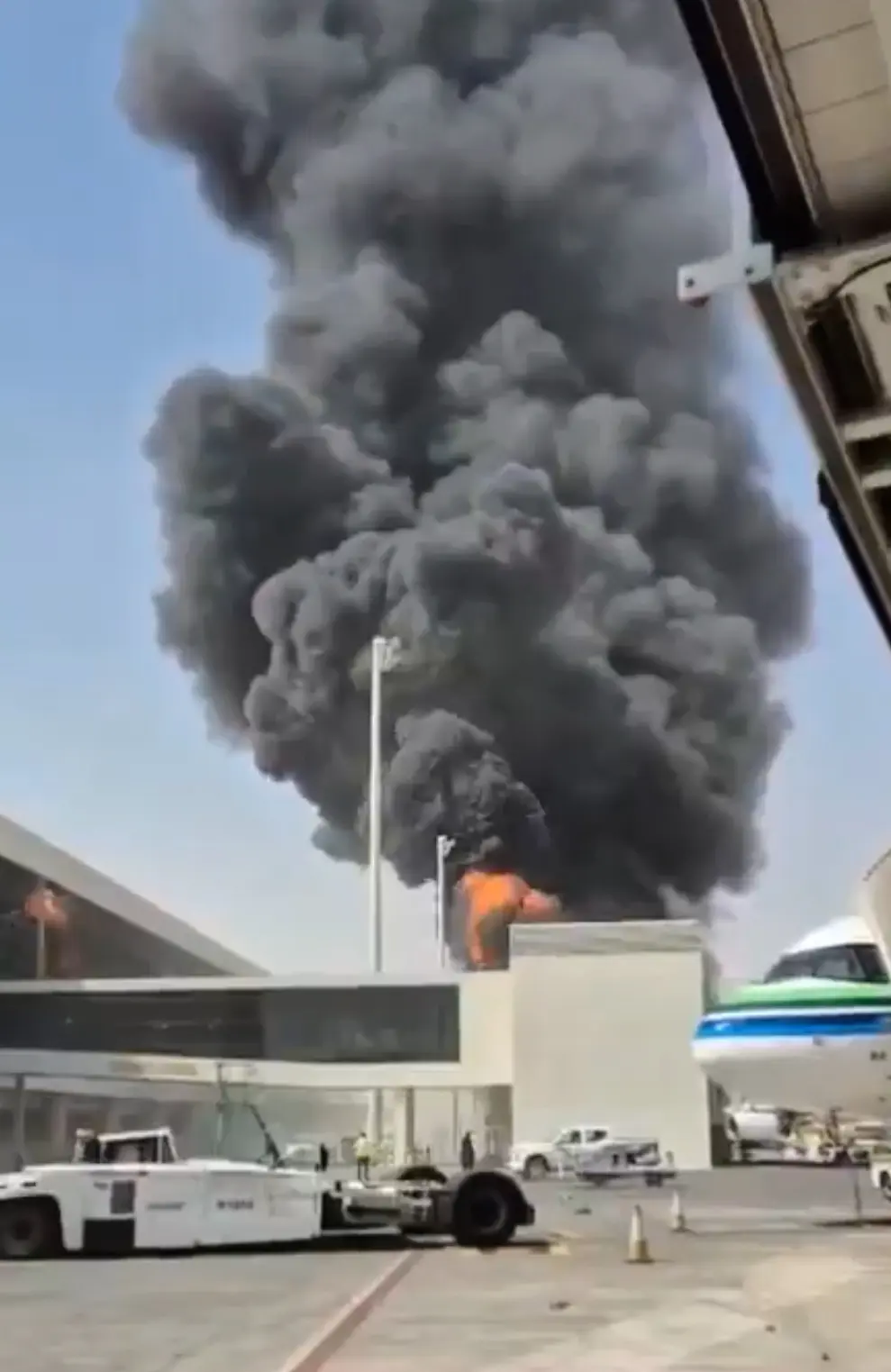
The attack occurred on Friday, October 9, 2026. Video footage verified by the Associated Press showed thick black smoke rising from the airport. Flames were visible as emergency crews responded to the scene. The Houthi group has targeted multiple Saudi locations recently. Other airports and military facilities have also come under fire. The group has struck critical infrastructure across the kingdom. These attacks threaten regional stability and global energy supplies.
The Houthi movement has intensified its campaign against Saudi Arabia. They have used drones and missiles to hit strategic targets. The attack on Riyadh represents a bold step by the rebels. It challenges the security guarantees provided by the US. Trump’s administration is assessing the risks of direct involvement. Military advisors are currently briefing the president on available options. The goal is to deter further aggression. US forces are already present in the region. However, a direct combat role would mark a major change. Officials emphasize the need to protect American interests. They also seek to support Saudi sovereignty.
How Will Washington Respond to the Regional Threat?
The situation has drawn concern from international partners. European nations are watching developments closely. They fear a wider conflict in the Middle East. The Houthi group is backed by Iran. This connection complicates diplomatic efforts. The US must balance its regional commitments. Direct action could draw America into a prolonged conflict. Diplomatic channels remain open but strained. The administration is weighing these factors carefully. Time is of the essence in this crisis.
The primary question remains the scope of US involvement. Will the US launch air strikes against Houthi positions? Or will it limit itself to defensive measures? Military planners are modeling different scenarios. Each option carries distinct political and military risks. The president has previously expressed frustration with regional instability. He has called for decisive action in the past. The recent attacks have tested his patience. Advisors are urging a firm but measured response. The US Navy is increasing its presence in the Red Sea. This aims to intercept any incoming projectiles. The focus is on preventing further attacks on civilians.
Frequently Asked Questions
The economic implications of the conflict are significant. Disruptions to shipping lanes affect global trade. Oil prices have fluctuated in response to the news. Markets are anxious about potential supply shocks. The US economy depends on stable energy flows. A prolonged conflict could lead to inflationary pressures. Policymakers are monitoring these economic indicators closely. The military response must consider these broader impacts. A quick resolution is preferred by most stakeholders. The administration is working toward that goal.
Did the US confirm a military strike against the Houthis? No, the US has not confirmed an immediate strike. Officials are still weighing the options for direct involvement.
Which specific targets were hit in Saudi Arabia? King Khalid International Airport in Riyadh was struck. Other airports and military installations were also targeted.