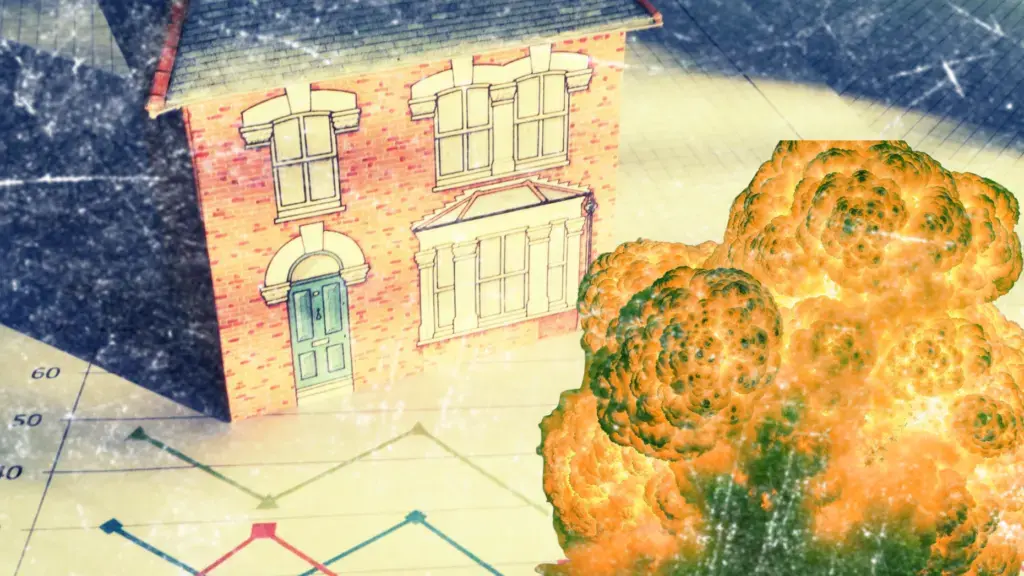
Inflation’s Grip on Home Values
Recent events in Iran are now influencing the American housing market. Experts are analyzing potential impacts on mortgages, credit, and overall real estate activity. This shift began in late February, as tensions escalated in the region. Buyers, sellers, and agents are seeking guidance amidst the uncertainty.
Latest news
 IMF Cuts Australia Growth Forecast Amid Rate Hike Warnings
 Nicaraguan Exile Journalist Luis Galeano Detained by U.S. ICE in Florida
 Congress Passes Bill Granting Trump Expanded Sanctions Authority
 AI pioneer Yoshua Bengio warns of imminent crisis
The conflict’s primary impact stems from potential disruptions to global oil supply. The Strait of Hormuz, a vital shipping lane, faces increased risk. This could lead to higher energy prices, fueling inflation within the US economy. Mortgage rates are particularly sensitive to inflation, potentially increasing borrowing costs for prospective homebuyers. Sellers might see increased demand as people seek tangible assets.
Rising inflation erodes purchasing power. This makes everyday goods and services more expensive. Consequently, it also affects the housing market in complex ways. Higher mortgage rates directly impact affordability, potentially cooling demand. However, real estate is often viewed as a hedge against inflation. This can drive up prices as investors seek to preserve wealth.
Will Higher Rates Stall the Market?
Experts suggest a nuanced approach. „The situation is fluid,” one mortgage professional explained. „We’re watching inflation indicators closely.” Increased oil prices could also impact construction costs. This adds further pressure on new home building and potentially limits supply. Existing homeowners may delay selling, fearing they won’t find affordable replacements.
The Federal Reserve’s response to inflation is crucial. If the Fed aggressively raises interest rates to combat rising prices, mortgage rates will likely follow suit. This could significantly slow down the housing market. Fewer people will qualify for loans, and overall sales volume could decrease. However, a moderate increase in rates might simply correct recent overvaluation.
The current market already faces affordability challenges. High prices and limited inventory have made it difficult for many to buy homes. The Iran conflict adds another layer of complexity. Agents are advising clients to carefully consider their financial situations. They recommend exploring various financing options and being prepared for potential rate fluctuations.
The long-term consequences remain uncertain. A prolonged conflict could lead to sustained higher oil prices and persistent inflation. This would likely have a more significant impact on the housing market. A swift resolution could mitigate these risks. For now, the market is reacting to evolving geopolitical events.
Frequently Asked Questions
How will the conflict affect first-time homebuyers? First-time buyers may face higher mortgage rates and increased competition for available homes. They should carefully assess their budgets and explore assistance programs. Pre-approval for a mortgage is more important than ever.
Could this conflict create a buying opportunity? A market slowdown could present opportunities for patient buyers. However, it’s crucial to avoid making hasty decisions. Focus on long-term financial goals and consult with a real estate professional.
What should sellers do in this environment? Sellers should price their homes competitively. They also need to be realistic about potential buyer concerns. Highlighting a property’s value and unique features is essential.