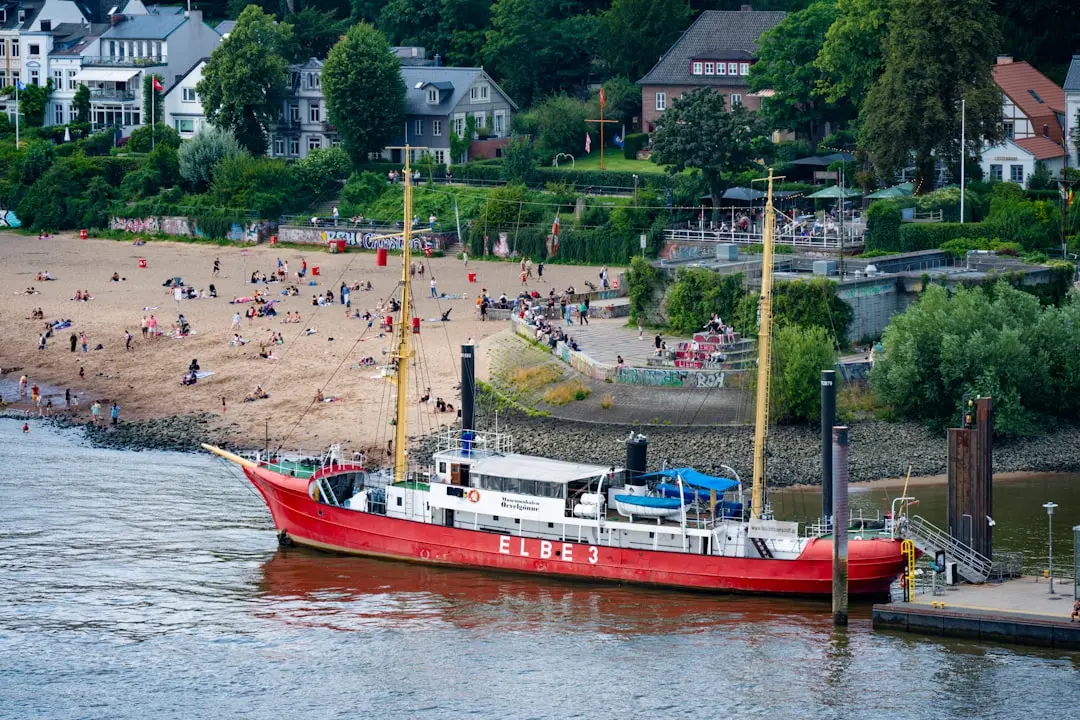
Emotional Tribute Marks Policy Shift
Ursula von der Leyen, President of the European Commission, received a standing ovation from a fallen firefighter during her address. This emotional moment occurred while she outlined new measures to combat severe wildfires. The event took place in Brussels, marking a significant shift in EU climate policy focus.
Latest news
 Saudi Arabia Declares Mecca Attack Attempt a Red Line as Houthis Deny Involvement
 Surrey Oil Drilling Project Sold After Supreme Court Rejection
 Union leaders urge bold action for Labour leader
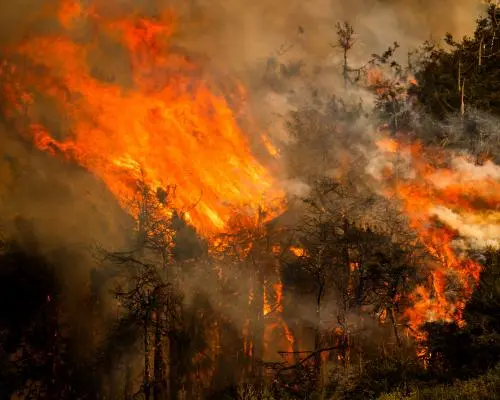 Wildfire Crisis Deepens as Federal Firefighter Shortage Plagues Summer Season
The Commission President began her speech by centering the discussion on climate change. She highlighted the urgent need for coordinated action against rising fire risks across the continent. The presence of injured emergency responders underscored the human cost of recent disasters. Their recovery efforts continue alongside broader policy discussions.
The atmosphere turned somber yet hopeful as the firefighter took the stage. Colleagues and officials watched in silence before erupting in applause. Von der Leyen used this moment to pledge immediate resources for prevention. She emphasized that Europe must move beyond reactive measures. Proactive strategies are now central to the Commission’s agenda. Funding streams will target vulnerable regions hardest hit by heatwaves.
How Will New Funding Reach Local Communities?
The visit included a tour of the European Emergency Response Coordination Center. Staff members briefed the President on current operational challenges. She spoke directly with personnel managing cross-border aid requests. These interactions informed her subsequent announcements on rapid response protocols. The center serves as a hub for coordinating international support during crises.
Von der Leyen detailed a multi-phase approach to wildfire management. Initial funds will support early warning systems and satellite monitoring. Later phases focus on reforestation and infrastructure resilience. Local governments will receive grants tailored to specific risk profiles. This targeted method aims to reduce waste and increase efficiency. The plan relies on close cooperation between national agencies and EU bodies.
Data from recent seasons shows a clear upward trend in fire incidents. Average temperatures have risen significantly in southern Europe. Drought conditions persist longer than historical averages. These factors combine to create ideal conditions for rapid fire spread. The Commission acknowledges that adaptation is no longer optional. It is a necessity for long-term safety and economic stability.
The proposed budget increases allocation for green corridors. These barriers help prevent flames from jumping between forests. Community engagement programs will train local volunteers in modern techniques. Technology plays a key role in detection and suppression efforts. Drones and AI models will assist ground teams in real time. This integration of tech and tradition strengthens overall preparedness.
Frequently Asked Questions
When does the new wildfire fund become active? The initial phase launches within the next fiscal quarter. Specific disbursement dates depend on final legislative approval. Member states will apply for grants through designated portals.
Which regions receive priority funding first? Southern and Mediterranean countries face the highest immediate risk. They will access early-stage resources for infrastructure upgrades. Northern regions follow in subsequent phases based on updated risk assessments.
How many firefighters were honored during the speech? One specific fallen firefighter received the standing ovation. However, the tribute extended to all injured personnel present. The gesture recognized the collective sacrifice of emergency workers.