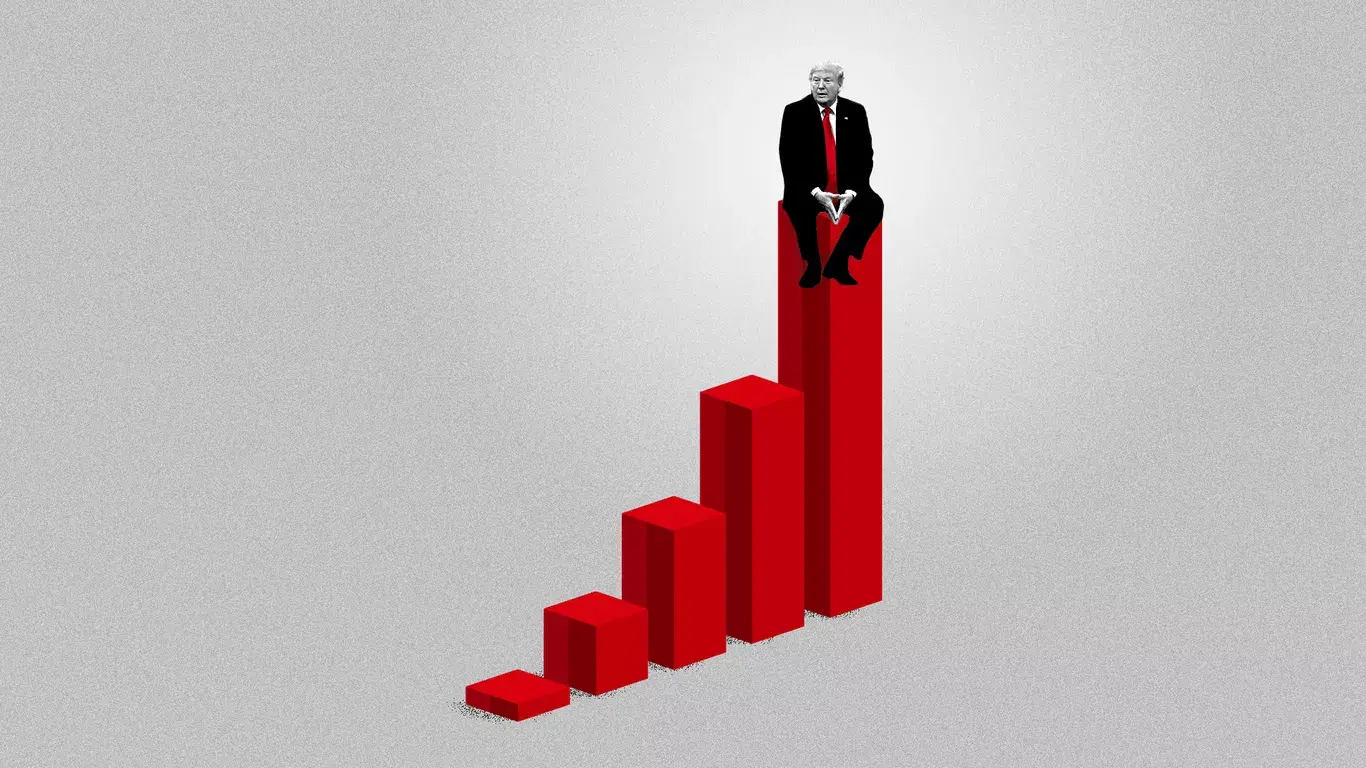
The Cost of Living Crisis at the Ballot Box
President Donald Trump faces a major political paradox as official economic metrics show robust growth nationwide. Recent polling numbers reveal that public approval of his financial stewardship continues to slide downward. This disconnect dominates the political landscape as midterm elections approach in less than a month. The administration finds itself struggling on the single issue voters care about most.
Latest news
 Ofsted Reports Shape School Choice in England
 Flávio Bolsonaro Surprises with 47% in Brazil’s Presidential Runoff
 Bab al-Mandab Strait Claimed Secured by Yemeni Forces
 UK Government Confirms RAF Fairford Security After US Bomber Withdrawal
The disconnect stems from a fundamental divergence between macroeconomic indicators and individual household experiences. While GDP growth and employment figures trend positively, everyday citizens judge the national financial health through the daily cost of living. Price tags at grocery stores and gas stations carry more weight than government statistics.
Administration officials argue that broader economic indicators should reassure the public about national prosperity. However, voters evaluate their personal financial well-being through direct expenses that continue to stretch household budgets. High prices overshadow positive job reports and manufacturing gains in the minds of working families.
Can the White House Shift Voter Perception Before Midterms?
Political analysts note that public perception regarding inflation is remarkably difficult to alter in a short timeframe. With just weeks remaining before voters cast their ballots, the administration appears to lack an effective strategy to shift this narrative. Time is running out for officials to convince the electorate that official growth metrics matter more than personal purchasing power.
The widening gap between economic reality and political polling presents a severe challenge for candidates on the ballot. If the administration cannot successfully connect positive national data to individual wallets, the electoral consequences could be severe. Voters are poised to express their frustrations over high prices directly at the polls.
Frequently Asked Questions
Why are voters unhappy with the economy despite strong data? Citizens evaluate financial health based on daily expenses like groceries and gas rather than macroeconomic reports. High consumer prices outweigh positive national statistics in shaping public opinion.
How do midterm elections affect this economic disconnect? With elections less than a month away, the administration is rapidly running out of time to change how voters view financial conditions. The issue remains the top priority for the electorate.
Does the administration have a plan to fix polling numbers? Current strategies appear insufficient to alter public perception before voters head to the polls. Officials struggle to convince citizens that broader growth offsets high daily costs.