The Rising Threat of Forced Displacement
Zahra Saeed, a resident deeply affected by ongoing political tensions, announced a major personal shift regarding the upcoming Israeli elections, breaking a multi-year tradition of abstaining from the ballot box. For years, Saeed and many others in her community chose not to participate, firmly believing that the Knesset held no power to deliver true liberation or meaningful political change. However, rising fears of displacement and the constant threat to local properties have fundamentally altered this perspective ahead of the vote.
Latest news
 Trump Praises Quebec Separatist Premier Amidst Trade Tensions
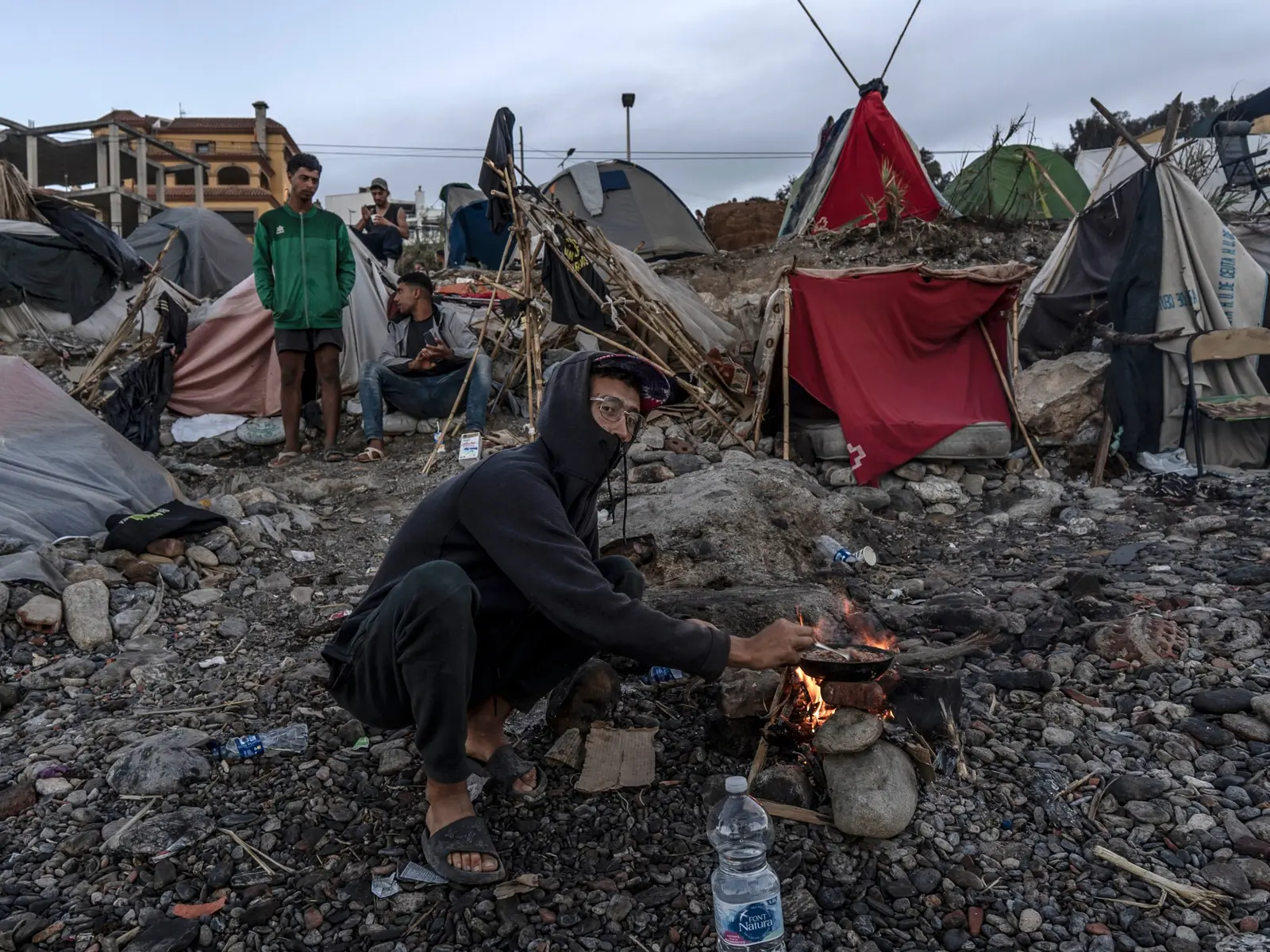 Spain Deports Migrants from Ceuta, Drawing Sharp Criticism from Rights Groups
 Federal Agents Raid Beverly Hills Home Tied to Eric Swalwell Probe
 Oriel College Told to Cancel Nathan Cofnas Event After Jason Arday's Death
The decision to participate comes as political campaigns intensify across the region, highlighted by prominent Likud billboards and fierce debates over the future of the land. While skepticism remains high about what government institutions can actually achieve, the immediate danger of losing ancestral homes has forced a pragmatic reconsideration. For Saeed, the calculus is simple: even the slimmest opportunity to shield her family and protect their presence on the land justifies stepping into the voting booth.
The fear of being driven from their homes has become the central driving force behind this change in electoral strategy. Communities that previously viewed participation as validation of a flawed system now see the ballot as a basic defense mechanism. Political rallies and campaign posters dominate the streets, but for residents facing the prospect of losing everything, the political noise translates into a desperate fight for survival.
Will the Ballot Box Defend Our Homes?
Critics of the electoral process still argue that legislative bodies offer little genuine representation for marginalized populations. Yet, the urgency of the current moment outweighs ideological purity for many former boycotters. Protecting the physical space where families have lived for generations supersedes long-term political theories, turning a historically ignored demographic into reluctant voters.
Participation in the upcoming election does not signal newfound faith in the political establishment or the Knesset's ability to foster peace. Instead, it represents a calculated risk born out of absolute necessity and deep anxiety about the immediate future. Every available avenue, no matter how limited its historical impact, must be utilized to keep families anchored to their properties.
As election day approaches, the impact of this shift among former boycotters remains uncertain, but the motivation is unmistakable. The desire to secure a foothold and resist displacement has bridged divides within communities that once rejected the political process entirely. Ultimately, the ballot is no longer viewed as an instrument of hope, but as a shield against potential erasure.
Frequently Asked Questions
Why did Zahra Saeed previously boycott Israeli elections? She believed that the Knesset was fundamentally incapable of delivering liberation or meaningful political change for her community.
What changed the decision to vote this time? A mounting fear of displacement and the urgent need to protect family homes made even the smallest chance of defense worth taking.
Does this vote signal trust in the political system? No, the decision is driven strictly by pragmatism and survival rather than faith in the Knesset or political parties.