A Strategic Narrative Shift in CCP History
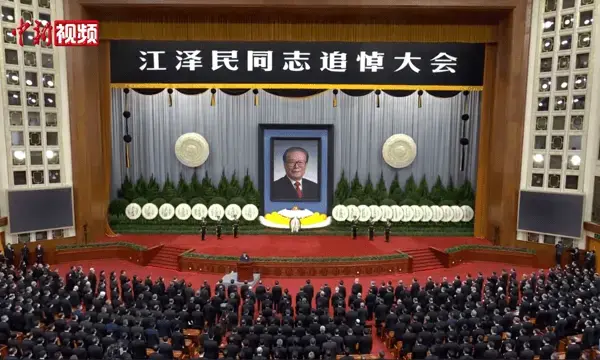
On August 19, 2026, Xi Jinping paid tribute to former Chinese leader Jiang Zemin during a commemorative event. This gathering highlighted Jiang's role in shaping China's post-Mao era. However, it also reflected Xi's intent to reinforce a narrative of continuity within the Chinese Communist Party (CCP).
Latest news
 Swedish Voters Choose New Parliament as Left-Wing Coalition Projects to Win Majority
 Trump Announces End of US Tariff on Irish Whisky
 Frances Stonor Saunders, Author of CIA Cultural Espionage Exposé, Dies at 66
 Israel and Lebanon to Hold Security Talks in Rome This October
Xi’s homage to Jiang was not merely a historical reflection. It served a strategic purpose in reinforcing the legitimacy of his own leadership. By aligning Jiang’s legacy with his vision for the future, Xi sought to create a seamless connection between past achievements and present goals. This approach aims to consolidate power and unify the party's direction under his rule.
Jiang Zemin, who led China from 1989 to 2002, was pivotal in guiding the country through significant economic reforms. His tenure is often associated with the Three Represents,which expanded the party's base to include entrepreneurs and private business owners. Xi's recognition of Jiang’s contributions may be seen as an effort to legitimize his own policies, which continue Jiang's reformist spirit while also adapting them for contemporary challenges.
How Does This Impact China's Future Direction?
Xi's remarks during the commemoration emphasized the importance of Jiang's leadership in navigating the complexities of modernization. He portrayed Jiang as a visionary who laid the groundwork for China’s rise on the global stage. This narrative is crucial for Xi, as it not only honors Jiang but also positions Xi as a natural successor to Jiang’s reformist legacy.
The implications of Xi’s commemoration extend beyond mere nostalgia. By framing Jiang's era as foundational for the New Era, Xi is signaling a commitment to continued reform while asserting his authority. This duality reflects a desire to maintain stability within the CCP while also embracing necessary changes.
Xi's approach may resonate with party members who value Jiang's contributions. However, it also raises questions about the balance between reform and control. As Xi navigates his leadership, the challenge will be to ensure that the party remains relevant in a rapidly changing world.
In conclusion, Xi Jinping’s tribute to Jiang Zemin marks a significant moment in CCP history, blending reverence for the past with a vision for the future. This strategic alignment could shape the party's policies and governance in the years to come, as Xi seeks to solidify his legacy.
Frequently Asked Questions
Why did Xi Jinping commemorate Jiang Zemin? Xi commemorated Jiang to reinforce continuity within the CCP and legitimize his own leadership by linking his policies to Jiang's reformist legacy.
What was Jiang Zemin's contribution to China? Jiang played a crucial role in China's economic reforms and modernization, introducing the Three Representsto broaden the party's base and adapt to changing economic realities.
How might this affect the CCP's future? Xi's tribute suggests a commitment to ongoing reform while maintaining party control, which could influence China's political landscape and governance strategies moving forward.