Preventing Technological Hegemony
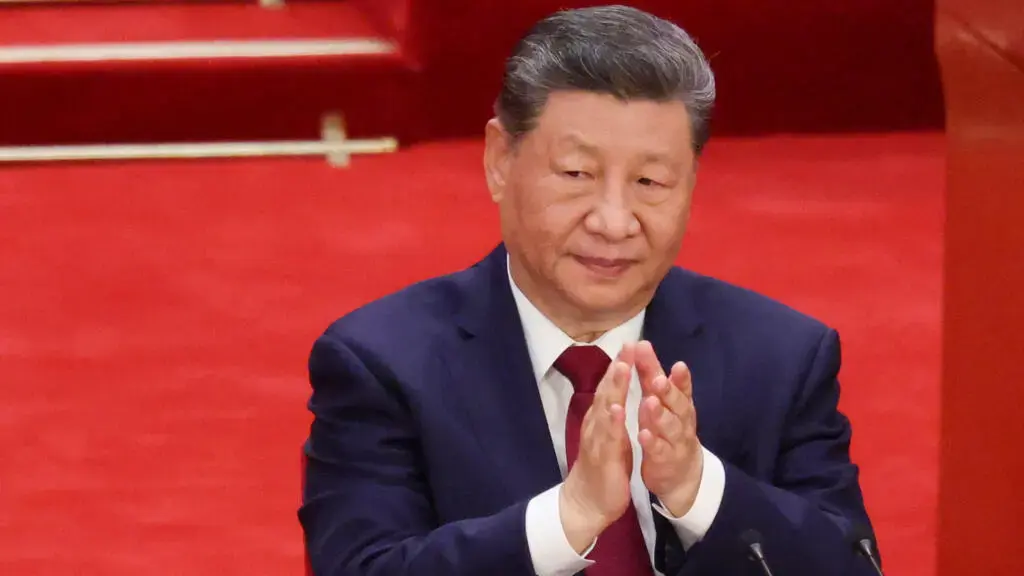
Chinese President Xi Jinping advocated for inclusive global artificial intelligence development during a major conference in Shanghai this Friday. He emphasized that AI should serve the interests of all nations rather than being controlled by a single country. Xi urged international partners to strengthen cooperation on governance and innovation.
Latest news
 Swedish Voters Choose New Parliament as Left-Wing Coalition Projects to Win Majority
 Trump Announces End of US Tariff on Irish Whisky
 Frances Stonor Saunders, Author of CIA Cultural Espionage Exposé, Dies at 66
 Israel and Lebanon to Hold Security Talks in Rome This October
The Chinese leader stressed that the rapid evolution of AI requires a collaborative framework to ensure safety and equity. By rejecting the dominance of any one power, Beijing aims to position itself as a central architect in setting international standards for emerging technologies. This call comes as nations race to secure technological superiority.
Xi argued that artificial intelligence must not become a tool for geopolitical leverage or exclusionary practices. His comments reflect China’s desire to prevent Western-led initiatives from dictating the global digital landscape. He proposed that development should focus on shared prosperity and addressing common human challenges.
Can Global Collaboration Overcome Digital Rivalry?
The conference highlighted China’s commitment to expanding its influence in the AI sector. Officials suggested that global governance structures must be modernized to reflect the needs of developing nations. This approach seeks to balance rapid innovation with strict regulatory oversight to mitigate potential societal risks.
Achieving a unified global approach remains difficult due to the ongoing competition between major world powers. While Xi calls for shared development, the reality of trade restrictions and data security concerns complicates international partnerships. The future of AI governance will likely depend on whether nations can reconcile these conflicting interests.
Frequently Asked Questions
The international community is now tasked with navigating these competing visions for the digital age. If countries fail to align their standards, the world risks a fragmented technological landscape. This could hinder progress in critical areas like healthcare, climate modeling, and economic efficiency.
What is the main goal of the proposal? The proposal seeks to ensure that AI development is inclusive and not controlled by a single nation. It aims to create a collaborative global governance framework.
Why is China pushing for this initiative now? China wants to influence international standards and prevent other nations from monopolizing AI technology. This strategy helps protect its own technological growth and geopolitical standing.