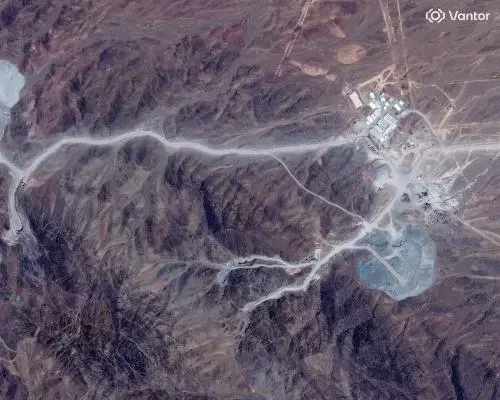
The Enigma of Pickaxe Mountain
Tensions between the United States and Iran have escalated significantly. President Donald Trump has renewed threats against Iranian nuclear sites. This comes amidst a recent surge in US military actions. These actions aim to compel Iran to reopen the Strait of Hormuz.
Latest news
 UNIQA Insurance Reports 8% Premium Growth but 8% Profit Decline in First Half 2026
 Australia Seeks Tech Giant Help to Bolster Online Safety and AI Rules
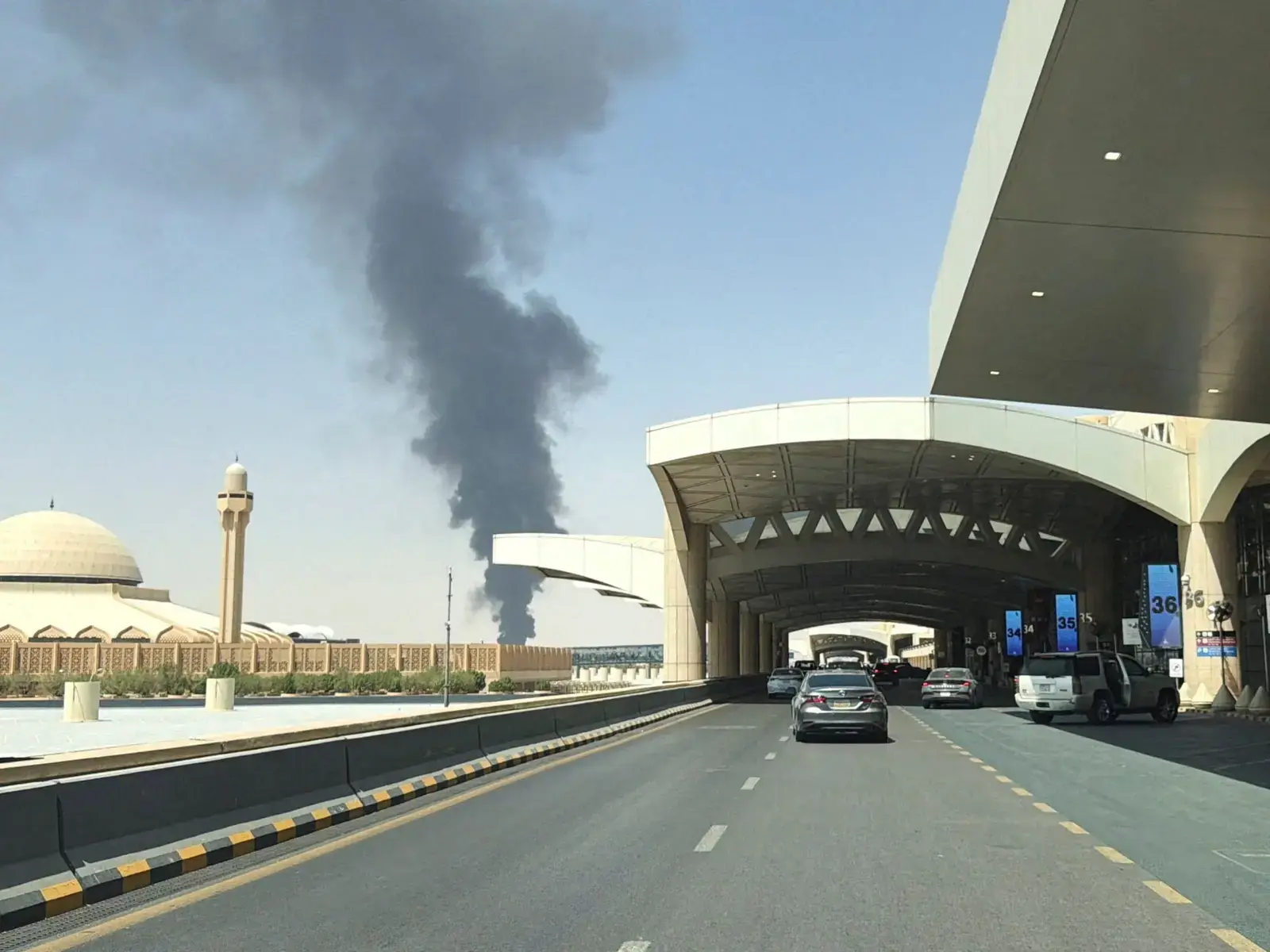 Iran Sets Seven Conditions for US Talks as Saudi Forces Thwart Riyadh Attack
 Former Syrian General Arrested Over Civil War Operations
Details about the facility near Natanz are scarce. Experts believe it is an underground nuclear complex. Its exact purpose and capabilities remain largely unknown. The site's secrecy fuels international concern.
Why is This Facility a Target?
The facility is informally known as „Pickaxe Mountain.”This name likely refers to its subterranean nature. Building such a complex deep underground provides protection. It makes it extremely difficult to target with conventional weapons. This strategic placement adds to its mystique and perceived threat.
The Natanz nuclear site is a key part of Iran's nuclear program. Any related underground complex would be of major concern. The US views Iran's nuclear ambitions with deep suspicion. President Trump's threats highlight this apprehension.
# What is the significance of the Natanz nuclear site?
Targeting such a facility would be a major escalation. It could have severe geopolitical repercussions. The US administration seeks to pressure Iran. This pressure aims to curb its nuclear development.
# Why is an underground facility considered more dangerous?
The Natanz facility is a central component of Iran's nuclear enrichment program. It has been subject to international inspections and sanctions. Any new, undisclosed complex nearby raises significant proliferation concerns.
An underground facility offers substantial protection from air strikes and surveillance. This makes it harder to monitor and potentially disable. Its hidden nature also suggests a desire for secrecy in nuclear activities.