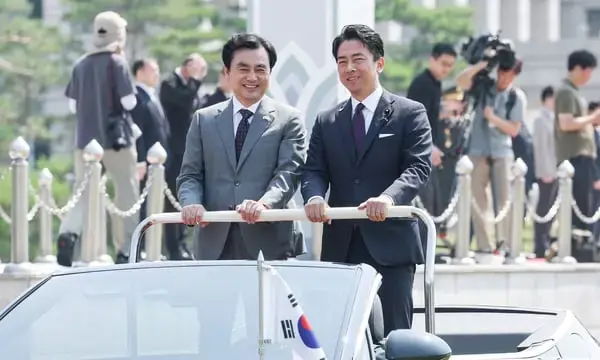
Rebuilding Trust Through Defense Cooperation
Japan's recent diplomatic efforts with South Korea mark a significant shift in their relations, with defense ministers meeting to discuss cooperation. The meeting highlighted a clear trajectory of rapprochement between the two neighbors. Their discussions focused on strengthening bilateral ties.
Latest news
 Global Diplomacy Prepares for the 2026 UN Leadership Transition
 Donald Trump Proposes Long-Term Security Oversight for Greenland
 Tensions Escalate Between Washington and Tehran During UN General Assembly
 Stock Market Futures Hold Steady Following Strong Monday Rally
The defense ministers' meeting exposed certain boundaries in their cooperation, indicating a cautious approach. Both countries are working to overcome historical grievances and improve their relationship. Their efforts are driven by a shared interest in regional security.
Can Historical Tensions Be Overcome?
Despite progress, lingering tensions remain, particularly regarding Japan's wartime actions. South Korea has long sought apologies and compensation from Japan for its colonial-era atrocities. The two countries are navigating these complex issues.
The cautious reconciliation between Japan and South Korea has significant implications for regional stability. As they continue to strengthen their ties, they are likely to play a more prominent role in regional security initiatives.
What sparked the recent Japan-South Korea defense ministers' meeting? The meeting was driven by a shared interest in regional security and a desire to strengthen bilateral ties. It marked a significant step in their cautious rapprochement.
Frequently Asked Questions
What are the main challenges to Japan-South Korea reconciliation? Historical grievances, particularly regarding Japan's wartime actions, remain a significant obstacle. The two countries must navigate these complex issues to achieve lasting reconciliation.
How will improved Japan-South Korea relations impact regional security? Stronger ties between Japan and South Korea are likely to enhance regional stability, enabling them to play a more prominent role in regional security initiatives.