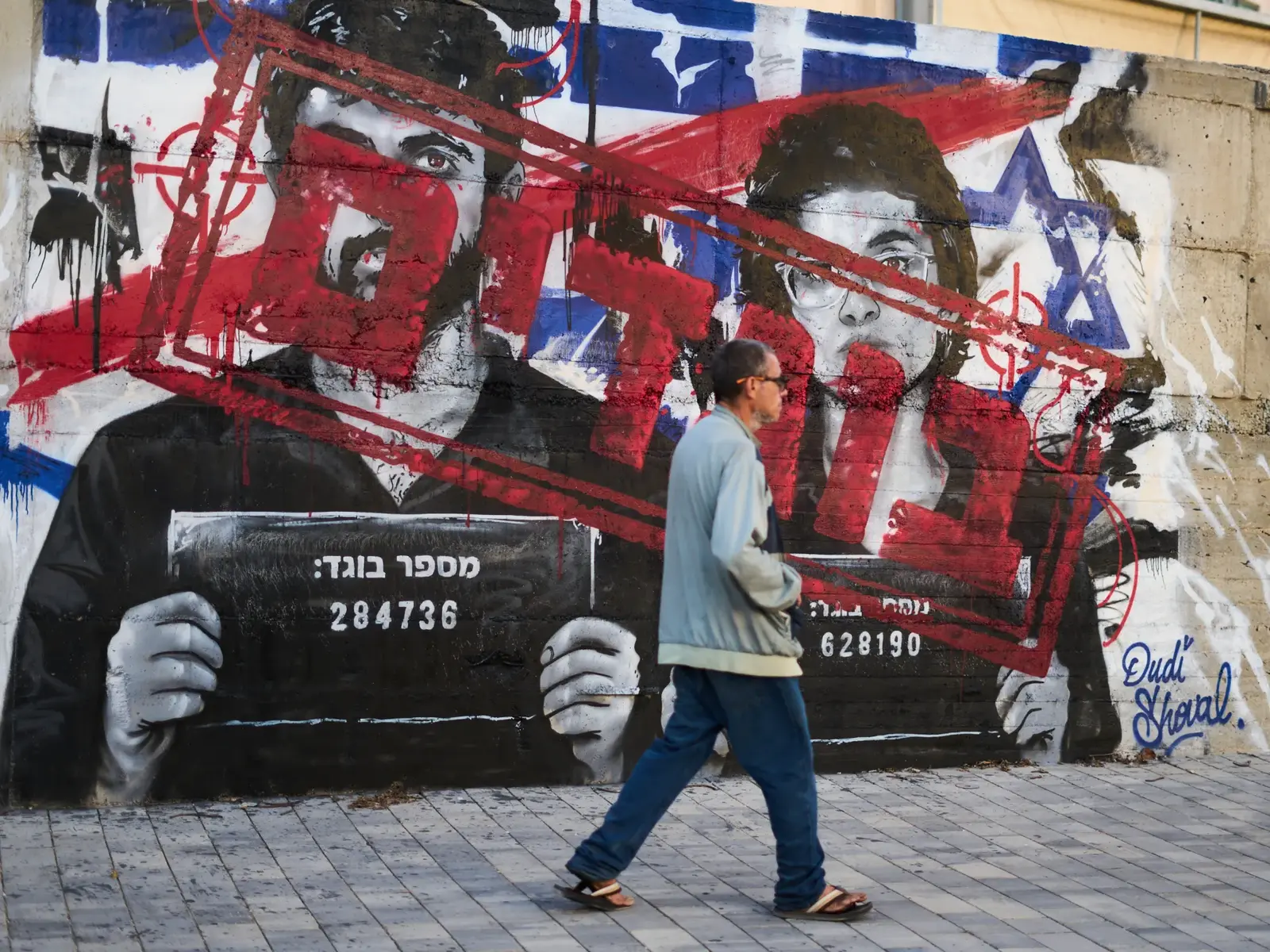
How the Documentary Built Its Case Through Anonymous Testimony
Israeli Prime Minister Benjamin Netanyahu has demanded an official investigation into the anonymous sources cited in an award-winning documentary that accuses the Israeli military of using artificial intelligence systems to target and kill Palestinians in Gaza. The film, titled NAZA, draws on testimony from 24 unnamed Israeli individuals who claim direct knowledge of military operations involving AI-driven targeting. Netanyahu’s call for scrutiny comes amid growing international attention on the documentary’s allegations, which have sparked debate over the ethics of modern warfare and the role of technology in conflict zones. The film has been screened at several international festivals and received recognition for its investigative approach, though its claims remain unverified by independent military or governmental bodies.
Latest news
 Chancellor Healey Prepares for Economic Turbulence Ahead of Autumn Budget
 EU Declares Trump‑Putin Deal „Concerning,” Vows Sanctions Will Persist
 The US Drops Myanmar Businessman's Son from Treasury Sanctions List
 Intel and Broadcom CEOs Warn Capital Access Could Stall AI Growth
The NAZA documentary relies entirely on interviews with 24 Israeli sources who chose to remain unidentified, citing fears of retaliation or professional repercussions. These individuals describe roles within military intelligence, logistics, or operational planning where they allegedly witnessed or participated in the use of AI systems to identify and prioritize targets in Gaza during recent hostilities. According to the film, these systems analyze surveillance data, communications, and movement patterns to generate kill lists, raising concerns about automation in life-and-death decisions. The documentary presents no publicly verifiable evidence such as documents, recordings, or official reports, instead placing full reliance on the credibility of its anonymous contributors. Filmmakers state they took extensive steps to verify the consistency and plausibility of the accounts, including cross-checking timelines and technical details, but have not disclosed the identities of their sources under any circumstances.
Why Netanyahu Seeks to Challenge the Film’s Credibility
Netanyahu has framed the documentary as a potential threat to national security and military morale, arguing that unfounded accusations based on anonymous claims could undermine Israel’s defense operations and embolden its adversaries. He has urged relevant authorities, including the military censor and intelligence oversight bodies, to examine whether the sources violated secrecy laws or disclosed classified information. The Prime Minister’s office has not accused the filmmakers of fabrication but insists that the origins of the allegations must be scrutinized to determine if they stem from disgruntled personnel, misinformation, or deliberate deception. Critics of Netanyahu’s move argue that demanding an investigation into whistleblowers—especially those speaking anonymously due to fear—could deter future disclosures about military conduct, particularly in conflicts where transparency is already limited. Human rights organizations have noted that similar patterns of anonymous testimony have emerged in past investigations into wartime conduct, often preceding formal inquiries.
If an investigation determines that the 24 anonymous sources violated Israeli secrecy laws by disclosing sensitive operational details, they could face disciplinary action, loss of security clearances, or even criminal prosecution under military justice statutes. However, proving such breaches would require identifying the individuals, which the filmmakers have refused to do, citing ethical and safety commitments to their sources. Legal experts note that prosecuting anonymous whistleblowers is exceptionally difficult without voluntary identification or corroborating evidence from other channels. Conversely, if no legal violations are found, the documentary’s claims may gain further traction in international forums, potentially increasing pressure on Israel to allow independent investigations into its military practices in Gaza. The outcome could influence how future testimonies from insiders are treated, especially those involving emerging technologies like AI in warfare.
What Happens If the Sources Are Found to Have Breached Secrecy Protocols?
What specific AI systems does the documentary allege were used in Gaza? The film does not name specific AI systems but describes tools that process surveillance footage, signal intercepts, and movement data to generate targeting recommendations, suggesting automation in the selection of individuals for strikes.
Frequently Asked Questions
Why did the sources choose to remain anonymous? According to the documentary, the sources feared professional retaliation, social ostracism, or legal consequences for speaking out about their roles in military operations involving AI-assisted targeting.
Has the Israeli military responded directly to the film’s allegations? As of now, the Israeli military has not issued a detailed public rebuttal to the specific claims in NAZA, though officials have previously denied allegations of improper targeting and emphasized adherence to international law.