What specific risks could the U. S. and China agree to discuss?
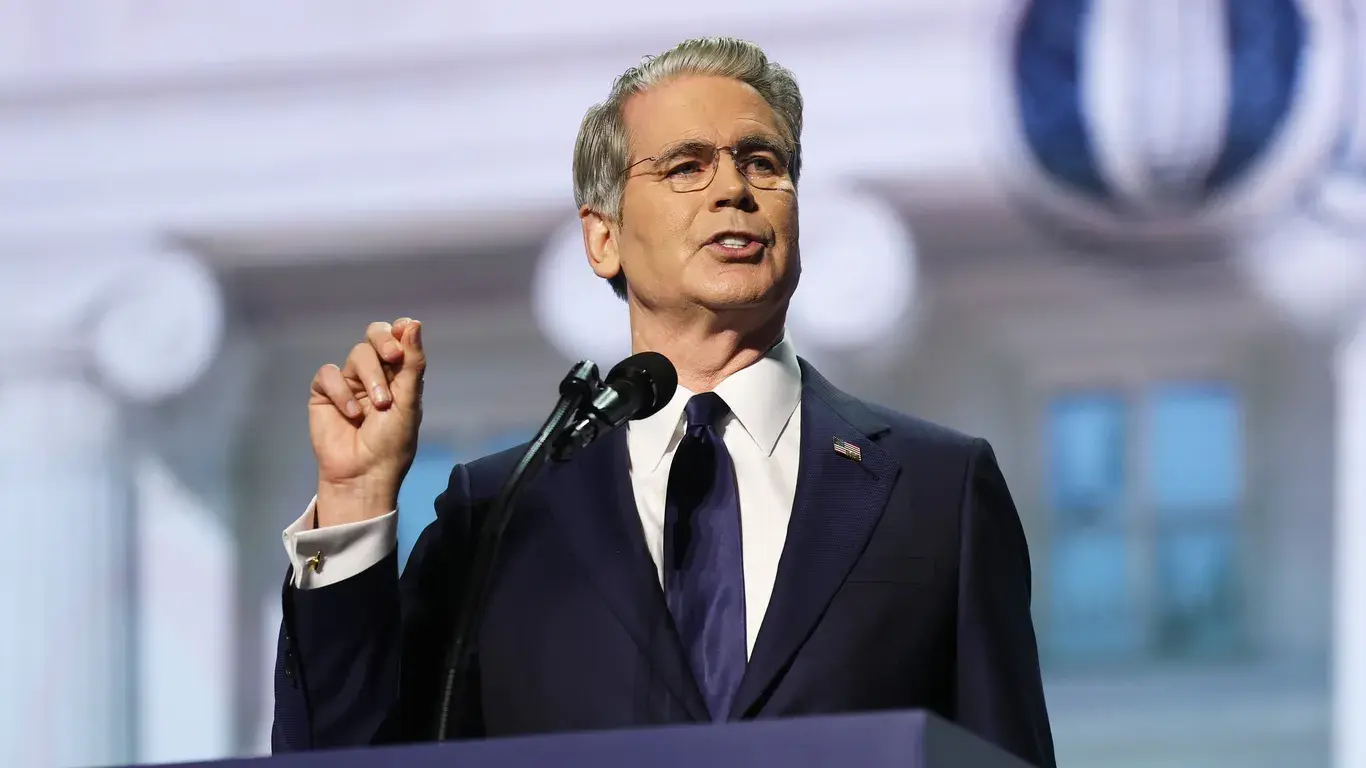
The United States is willing to engage China on common risks related to artificial intelligence, Treasury Secretary Scott Bessent revealed in an interview with Axios. The discussions are set to take place this weekend as part of ongoing diplomatic efforts between the two nations. Bessent emphasized that while the U. S. remains committed to advancing AI innovation, it recognizes the need to address potential dangers that could affect both countries. His comments signal a shift toward cooperation on safety concerns despite broader strategic competition.
Latest news
 IMF Cuts Australia Growth Forecast Amid Rate Hike Warnings
 Nicaraguan Exile Journalist Luis Galeano Detained by U.S. ICE in Florida
 Congress Passes Bill Granting Trump Expanded Sanctions Authority
 AI pioneer Yoshua Bengio warns of imminent crisis
The Trump administration has previously resisted calls from industry leaders to slow AI development, arguing that maintaining a competitive edge over China is critical. However, Bessent acknowledged that certain risks—such as misuse of AI in warfare, surveillance, or disinformation—require joint attention. He did not specify which topics would be on the agenda but confirmed that mutual safety concerns would be part of the conversation. The meeting follows increased global focus on AI governance and comes amid rising tensions over technology transfer and intellectual property.
How might these talks affect future AI policy?
Bessent highlighted that shared dangers include the potential for AI to be used in autonomous weapons systems, deepfake-driven misinformation campaigns, and unauthorized data harvesting. Both nations have expressed concern about losing control over advanced AI models, particularly those capable of self-improvement or operating without human oversight. While details remain unclear, the talks may explore frameworks for transparency, testing standards, or emergency protocols. Neither side has proposed limiting innovation, but both agree that unchecked development could pose existential threats.
The discussions could lay groundwork for future bilateral agreements on AI safety, even as competition in chip manufacturing and research continues. Experts suggest that finding common ground on risk mitigation might reduce the likelihood of accidental escalation or misuse by third parties. However, skeptics warn that without enforceable commitments, dialogue alone may not prevent divergent paths in AI regulation. The outcome may influence how other countries approach AI diplomacy, particularly in forums like the G7 or United Nations.
Is the U. S. planning to slow down AI development to match China’s pace? No, the Trump administration continues to prioritize accelerating AI innovation to maintain a strategic advantage over China, according to official statements.
Frequently Asked Questions
Will the talks include limits on AI use in military applications? Bessent did not confirm specific agenda items, but he acknowledged that risks like autonomous weapons are among the shared concerns under discussion.
Could these discussions lead to a formal AI agreement between the U. S. and China? While no pact is expected immediately, the talks may establish a foundation for future cooperation on safety standards, similar to past nuclear or climate dialogues.