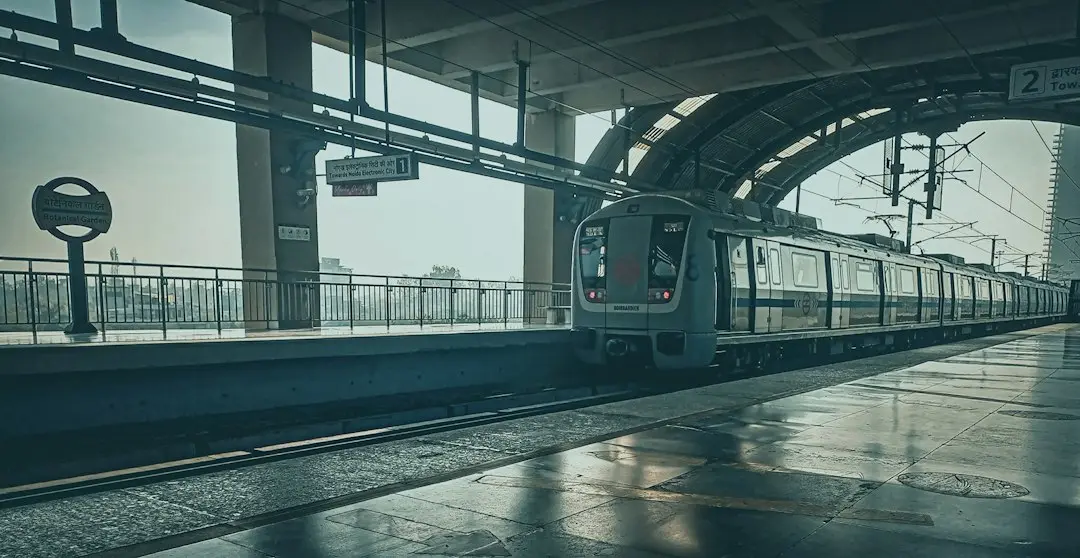
Police Deploy Additional Forces to Key Transit Points
The Delhi Police shut several metro stations on Thursday to pre‑empt a march planned by the main opposition Congress party and its supporters of the „cockroach” youth movement. The closures began early in the morning, affecting the central and western corridors of the city’s rapid transit system. Police said the move was taken to prevent potential clashes between demonstrators and law‑enforcement officers.
Latest news
 Economic Frustration Drives Washington to Step Up Market Intervention Post‑Midterms
 Congress Can Do More to Address Kushner’s Conflicts of Interest
 Nobel Prize-Winning Economists Hall and Woodford Recognized for Central Bank Research
 Cyprus Nears Schengen Membership Despite Political Hurdles
The decision came after intelligence reports indicated that the Congress party had mobilised a large number of supporters to march through the heart of the capital. The police cited concerns over public safety and the need to maintain order during the upcoming national elections. Officers stationed at key junctions were instructed to clear any crowds and to enforce a temporary ban on vehicular and pedestrian traffic in the affected areas.
In response to the anticipated influx of protestors, Delhi Police deployed an extra 5,000 officers across the city. The force was positioned at major metro stations, including Central Secretariat, Rajiv Chowk, and Jangpura, to monitor movements and deter any unlawful activity. The deployment was coordinated with the Delhi Transport Authority, which temporarily suspended train services on the affected lines. The police also set up barricades and increased surveillance through CCTV cameras to monitor crowd behaviour in real time.
Will the Closure Affect Daily Commuters?
The operation was part of a broader strategy to ensure that the upcoming elections proceeded without disruption. Police officials emphasized that the closures were temporary and would be lifted once the protest had passed. They also warned that any attempt to breach the barricades could result in arrest under the Public Order Act.
The temporary shutdown of metro stations has already caused inconvenience for thousands of commuters. Many have had to seek alternative routes, leading to increased traffic on the city’s roads. The Delhi Transport Authority has announced that buses will run at higher frequency on key routes to accommodate the displaced passengers. However, the authorities acknowledge that the disruption could last several hours, depending on how quickly the protest concludes.
The impact on the city’s economy is expected to be minimal, as the closures are limited to a short time window. Nevertheless, business owners near the affected stations have expressed concerns about reduced footfall. The police have assured that they will work closely with local businesses to mitigate the effects.
What Are the Legal Grounds for the Closure?
The Delhi Police justified the station closures under the Delhi Public Order Act, which allows authorities to restrict public gatherings in the interest of public safety. The act also permits temporary shutdowns of public utilities if a protest is likely to cause significant disruption. By citing the potential for violence, the police argue that the closures were necessary to prevent a breach of law and order.
The Congress party has responded by calling the move „politically motivated” and has urged the government to allow peaceful demonstration. They claim that the protest is a legitimate exercise of democratic rights and that the police action infringes on freedom of assembly. The government has yet to issue a formal statement on the incident.
The incident highlights the delicate balance between maintaining public order and respecting civil liberties. While the police maintain that the closures were precautionary, opposition groups argue that the measures are excessive. The situation remains fluid, with officials monitoring the protest’s progress and ready to adjust their strategy as needed.
Frequently Asked Questions
Q1: How long will the metro stations remain closed? A1: The closures are temporary and will end once the protest has passed. Police have stated that they will lift restrictions as soon as the crowd disperses safely.
Q2: What alternative transport options are available for commuters? A2: Buses will run at increased frequency on key routes, and the Delhi Metro will resume normal service after the protest concludes. Commuters are also advised to use other nearby stations.
Q3: Are there any penalties for people who try to breach the barricades? A3: Yes, individuals attempting to breach the barricades may be arrested under the Public Order Act, which allows for the detention of those who threaten public safety.