Why Misconceptions Keep Families Out of Foster Care
In England, about 82,000 children are currently in the care system. Yet the number of foster carers has dropped by 12% since 2019, leaving many families without the stable, safe homes they need. Sarah Griffin, a caregiver for adopted children, shares her experience and highlights the challenges that keep potential carers away.
Latest news
 Economic Frustration Drives Washington to Step Up Market Intervention Post‑Midterms
 Congress Can Do More to Address Kushner’s Conflicts of Interest
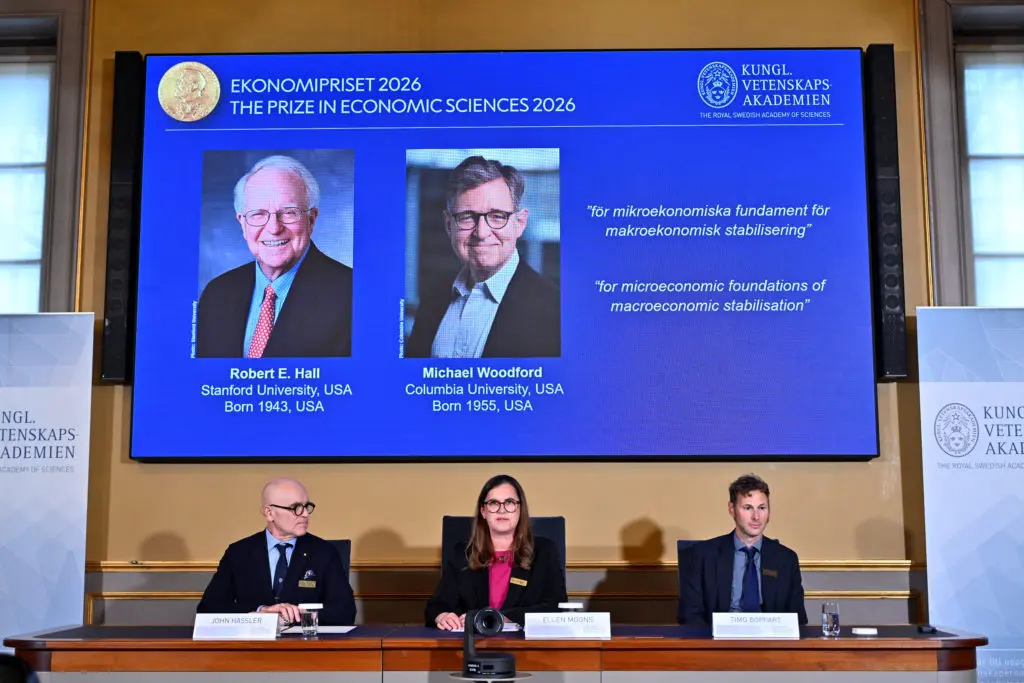
 Nobel Prize-Winning Economists Hall and Woodford Recognized for Central Bank Research
 Cyprus Nears Schengen Membership Despite Political Hurdles
The decline in foster placements stems from widespread myths about the role. Many believe fostering is overly demanding or that it requires a perfect family environment. These misconceptions discourage people from applying, even though the system offers training, support and a chance to make a lasting difference. Sarah explains that the reality is far more manageable, with regular check‑ins and professional guidance available to new carers.
Sarah’s story illustrates how fear of the unknown can prevent families from stepping forward. She notes that many potential carers worry about legal responsibilities and the emotional toll of caring for children who have experienced trauma. In reality, foster carers receive comprehensive training that covers legal obligations, emotional support strategies, and financial assistance. The government also provides a monthly allowance to help cover costs, making the role more accessible than many think.
Can We Turn the Tide? What Steps Are Needed?
Data from the Department for Education shows that the average age of a foster carer is 42, and many are retirees or single parents looking for meaningful work. Yet the decline in numbers suggests that the system is not reaching these groups. Outreach efforts, such as community workshops and online webinars, have been launched to dispel myths and provide clear, factual information. These initiatives aim to show that fostering can fit into diverse lifestyles and that support is readily available.
The question remains: how can England reverse the downward trend in foster placements? First, increasing public awareness is essential. Campaigns that feature real stories, like Sarah’s, can humanize the experience and counteract stereotypes. Second, simplifying the application process and offering more flexible placement options can attract a broader range of carers. Finally, ensuring that foster carers receive ongoing mental‑health support will reduce burnout and improve retention.
If these measures succeed, the benefits will ripple across the entire care system. Children would gain more stable homes, reducing the time they spend in temporary accommodation. Families would experience lower stress levels, and the overall cost of child welfare could decrease. The long‑term outlook depends on sustained investment and a shift in public perception.
Frequently Asked Questions
What support does a foster carer receive? Foster carers receive training in child development, legal responsibilities, and emotional support. They also get a monthly allowance to cover expenses and access to a helpline for advice.
How can someone apply to become a foster carer? Interested individuals must contact their local authority, complete an application, attend an interview, and undergo a background check. Training is provided before the first placement.
What are the most common myths about fostering? Many believe fostering is too demanding or requires a perfect family. In truth, training and support are provided, and placements can be tailored to fit a carer's circumstances.