
Sanctions regime at risk
Western economic pressure on Moscow faces erosion from a US initiative to relax sanctions on shadow fleet vessels. This fleet, composed of old, uninsured tankers in poor condition, has become a key tool for Russia to circumvent restrictions. Since the invasion began, the Kremlin made these ships essential to its export strategy. Other heavily sanctioned countries, including Iran and Venezuela, are also accused of using similar vessels to export petroleum products. These tankers often use deceptive practices, such as deactivating location transponders, to evade monitoring and hide the true origin or destination of their cargo. According to financial intelligence firm S&P Global, this fleet has expanded rapidly in recent years and now covers nearly 19% of the global tanker capacity.
Latest news
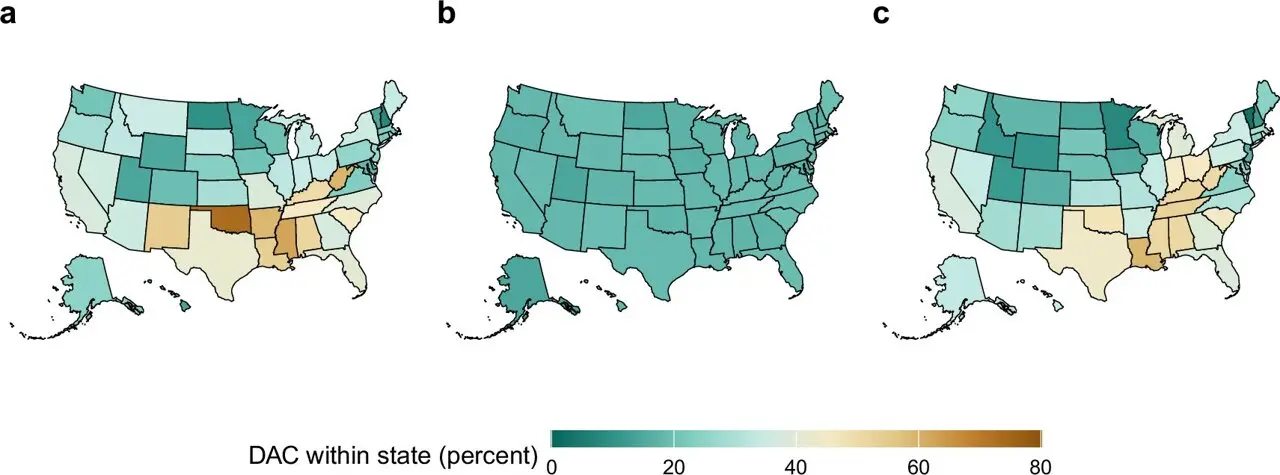 Rural communities may be left out of public support programs because screening tools measure disadvantage in ways that overlook their specific needs
 Brazilian Election Reveals the Donroe Doctrine Is a Mirage
 Is 2026 the year democracy finally fought back?
 US Midterm Elections: Europe Watches as America Heads to the Polls
The shadow fleet is a plague,said Elisabeth Braw, senior researcher at the Atlantic Council think tank, adding that it is in no one's interestfor these ships to navigate the world's oceans. She emphasized that these tankers undermine the maritime order and increase the risk of accidents and environmental damage. Every country should use its leverage against Russia to deter it from using this fleet,she told DW, noting that ultimately all countries bear the consequences.
The stated goal of the Trump administration is to reduce record-high maritime shipping tariffs by lifting sanctions on certain shadow fleet vessels, allowing them to transport unsanctioned oil. A US official told Reuters at the beginning of the month that this measure aims to ease shipping costs. Michael Carpenter, senior transatlantic business researcher at the International Institute for Strategic Studies (IISS), said that relaxing sanctions „will reduce the effectiveness of the sanctions regime as a whole.”He added that such a move „rewards the aggressor and helps Moscow obtain revenue to continue attacks on Ukraine.”„It is exactly the opposite of what the US should do if it wants to end the war,”Carpenter explained. He served previously as the US ambassador to the OSCE.
Trump administration's stated goal
He specified that any easing of sanctions will put the US and the EU in a strategic conflict position, with the EU clearly supporting Ukraine while the US increasingly supports Russia's financial objectives. This view is shared by Ben Harris, vice president and director of economic studies at the Brookings Institution. He stated that lifting sanctions on shadow fleet tankers would make it „considerably easier for Russia to market its oil at market prices,”noting that this would „improve government finances, since a large part of its revenues are tied to energy markets.”However, US Energy Secretary Chris Wright rejected the idea that the US is abandoning sanctions against shadow fleet tankers. „We are turning dark tankers into legitimate tankers,”Bloomberg quoted Wright's statement from last week.
He emphasized that „sanctions are not being lifted,”explaining that the US government is working with investors who buy sanctioned tankers that are sitting idle, renovate them, and use them. „We will move some ships from what I call the 'fleet of evil' to the 'fleet of good',”Wright said. „They will no longer carry sanctioned oil.”The US government has not yet presented a detailed plan regarding shadow fleet tankers.
Trump-Putin deal and domestic politics
This proposal follows an agreement signed this month between US President Donald Trump and his Russian counterpart Vladimir Putin, which allows the sale of Russian diesel on global markets. The agreement was seen as part of Trump's efforts to lower domestic fuel prices ahead of the US mid-term elections scheduled for November 3. The US President also suspended new broad sanctions authorized by a recent law, which targeted Moscow's energy revenues and threatened tariffs against the world's largest buyers of Russian oil and gas. This decision was sharply criticized by Ukraine and its European allies, who feared it could undermine the credibility of sanctions and weaken Western economic pressure on Moscow.
Harris said that „US sanctions carry disproportionate weight due to the threat [to countries and firms] of being cut off from the US financial system.” What can the EU do? If the US moves away from its sanctions against the shadow fleet, he argued, the responsibility shifts to European decision-makers. But they have less effective options due to the reduced threat of financial disconnection. However, the expert emphasized that Europe has certain instruments, pointing to the continent's key role in global maritime transport and insurance services. We can implement measures requiring tankers to hold legitimate and stable insurance when navigating our waters,he said, noting that this would mean many shadow fleet tankers would not be able to legally transport Russian oil. Harris added that European decision-makers could also pressure countries worldwide to better regulate tankers flying their flags.
Carpenter stated that even if the US eases certain restrictions, the EU will have no choice but to continue applying its own sanctions on these vessels. He observed that the largest part of the shadow fleet crosses the Baltic Sea and exits through the Danish Straits,adding that the EU is in a unique positionto act.