What does the ‘Greenland option’ mean in practice?
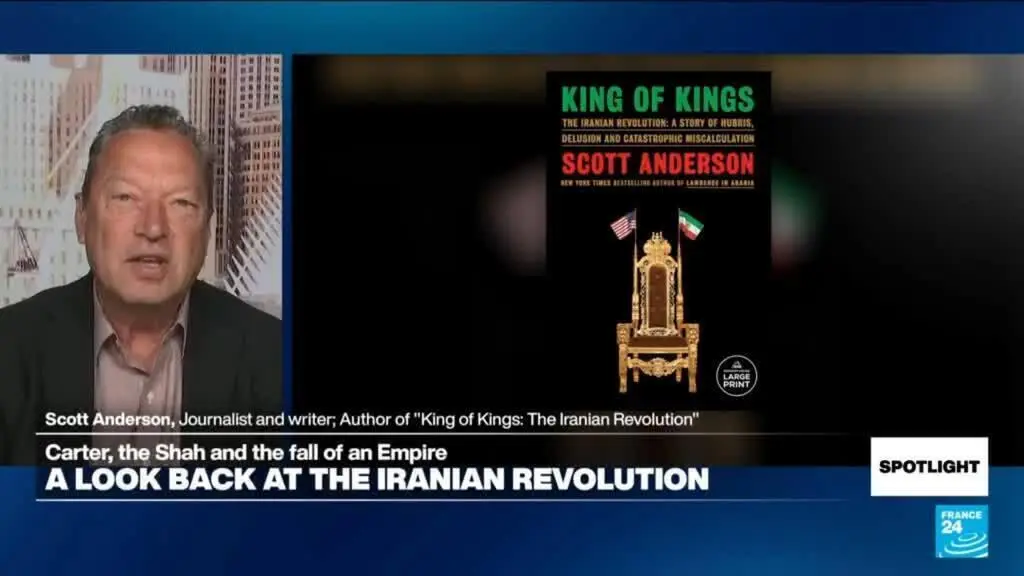
Former US President Donald Trump is reportedly considering a strategy to declare victory in any potential conflict with Iran and withdraw quickly, according to journalist Scott Anderson. This approach, dubbed the „Greenland option,” involves minimal long-term engagement after initial military action. Anderson, a war correspondent and author, discussed the idea during a recent interview with François Picard on a current affairs program. The concept suggests Trump would avoid prolonged nation-building or sustained troop deployments, focusing instead on a swift exit following symbolic success.
Latest news
 Gaza Residents Face Upcoming Israeli Elections With Deep Concern and Little Hope
 Court Orders White House to Reinstate Media Credentials
 Elif Eralp Aims to Become Berlin's First Turkish‑Origin Mayor
 Pentagon spending hits historic one trillion dollar mark for first time ever
The term references Trump’s past interest in purchasing Greenland, symbolizing a preference for quick, transactional outcomes over complex, open-ended commitments. In the Iran context, it implies launching limited strikes to degrade capabilities—such as nuclear or missile sites—then framing the operation as a success without seeking regime change or extended occupation. Anderson noted this aligns with Trump’s broader skepticism of endless wars, particularly in the Middle East, where previous administrations faced criticism for prolonged engagements. The strategy would rely on deterrence through demonstration rather than nation-building, aiming to satisfy domestic political demands for strength while avoiding quagmires.
Could this approach actually prevent escalation?
Anderson warned that while the „Greenland option” might appeal to Trump’s base, it risks miscalculation. Limited strikes could provoke Iranian retaliation, potentially triggering a broader conflict despite intentions to de-escalate quickly. He emphasized that Iran’s response is unpredictable and could include proxy attacks via groups in Lebanon, Iraq, or Yemen, complicating any clean exit. Furthermore, regional allies like Israel or Saudi Arabia might push for deeper involvement, undermining the withdrawal plan. Anderson stressed that declaring victory prematurely, without durable security guarantees, could leave the US exposed to renewed threats and damage credibility with partners who expect sustained commitment.
What is the ‘Greenland option’ in foreign policy? It refers to a strategy of achieving a quick, symbolic military objective and withdrawing immediately, avoiding long-term nation-building or sustained troop presence, inspired by Trump’s expressed interest in acquiring Greenland as a real estate deal.
Frequently Asked Questions
Why would Trump favor this approach toward Iran? Trump has consistently criticized costly Middle East wars and favors actions that deliver clear, short-term wins for domestic audiences without committing to prolonged engagements or reconstruction efforts.
What are the main risks of this strategy? The primary dangers include provoking Iranian retaliation, losing control over escalation dynamics, and failing to address underlying threats, which could lead to renewed conflict despite an initial declaration of victory.