Nuclear Talks Take Center Stage
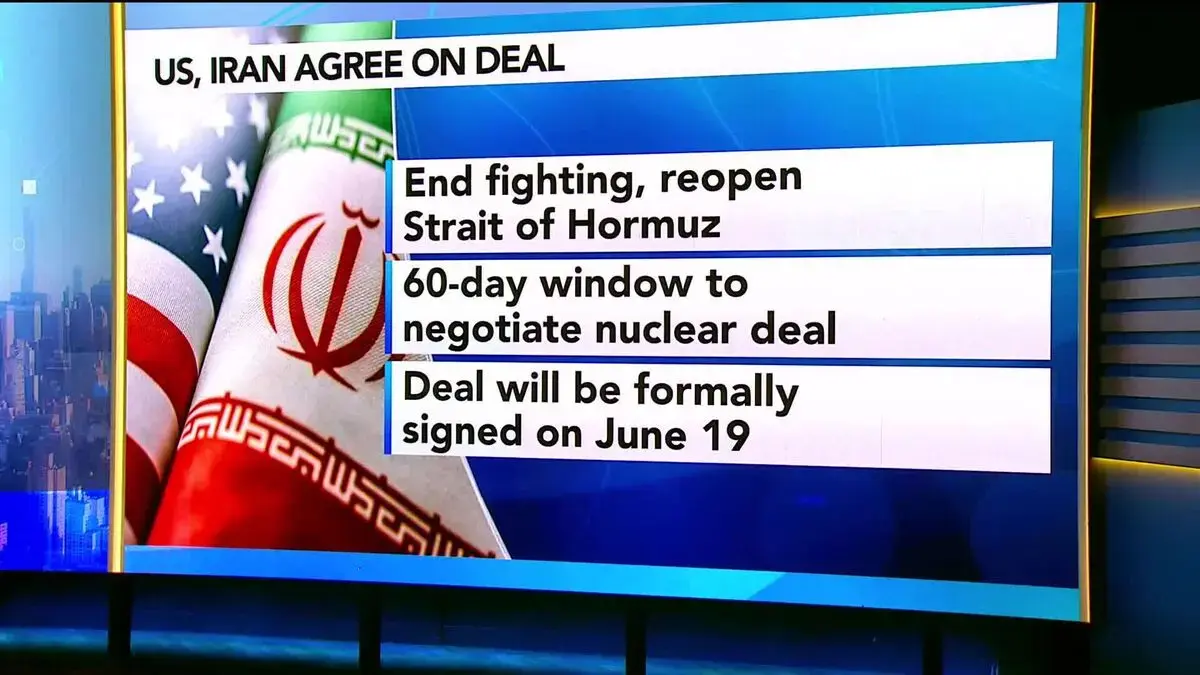
The US and Iran announced an interim agreement to reopen the Strait of Hormuz, paving the way for 60-day nuclear talks. Officials from both countries will meet in Switzerland on June 19 to formally sign the deal, bringing an end to the conflict.
Latest news
 Houthi Rebels Issue New Threats Against Saudi Military Infrastructure
 Houthi Rebels Seize Strategic Hanish Islands in Red Sea
 Global Markets Stumble as AI Leaders Call for Development Slowdown
 AI Takes Control of Clinical Eye Screenings in China
The agreement sets the stage for negotiations on Tehran's nuclear program, a key point of contention between the two nations. Talks will focus on the fate of Iran's nuclear capabilities, with the US seeking assurances on the country's nuclear ambitions.
Can Diplomacy Prevail?
The 60-day negotiation period will be crucial in determining the future of Iran's nuclear program. US officials have indicated a willingness to engage in meaningful dialogue, while Iran has expressed hopes for a mutually beneficial agreement.
The success of the talks remains uncertain, with many challenges ahead. However, both sides have expressed optimism about the prospects for a peaceful resolution.
Frequently Asked Questions
The agreement is expected to have significant consequences for the region, with the potential to ease tensions and stabilize the global energy market. As the talks progress, the international community will be watching closely to see if diplomacy can prevail.
What is the main focus of the 60-day talks? The talks will center on the fate of Iran's nuclear program and US concerns about its nuclear ambitions. How will the agreement affect global energy markets? The reopening of the Strait of Hormuz is expected to ease tensions and stabilize oil supplies. What happens if the talks fail? If negotiations break down, the conflict could resume, with potentially severe consequences for the region.