
Navigating the Legal Gray Area
Prediction markets are gaining traction. Platforms like Polymarket and Kalshi allow users to wager on the outcomes of future events. This new financial activity is drawing scrutiny from regulators and lawmakers. Recent events highlight growing concerns about the ethics and legality of these markets.
Latest news
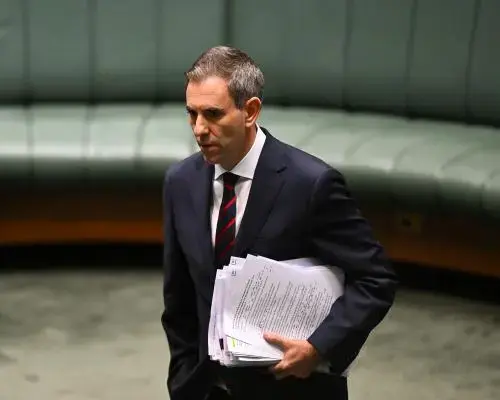 IMF Cuts Australia Growth Forecast Amid Rate Hike Warnings
 Nicaraguan Exile Journalist Luis Galeano Detained by U.S. ICE in Florida
 Congress Passes Bill Granting Trump Expanded Sanctions Authority
 AI pioneer Yoshua Bengio warns of imminent crisis
These platforms function like stock exchanges for events. Instead of company shares, users buy and sell contracts tied to specific outcomes. A contract pays out if the predicted event happens. Prices reflect the collective wisdom of the crowd, offering a unique form of forecasting. Polymarket focuses on diverse events, while Kalshi centers on political and economic occurrences.
The rapid growth of these markets hasn’t gone unnoticed by authorities. US Senators are now prohibited from using prediction markets. This ban stems from concerns about insider information and potential conflicts of interest. A US soldier recently faced charges related to betting activity on one of these platforms. The specifics of the charges weren’t detailed, but it underscores the legal risks involved.
Will Regulation Stifle Innovation?
These incidents raise questions about the boundaries of acceptable speculation. Is betting on disasters, like natural catastrophes or political unrest, ethical? Some argue it’s simply another form of risk assessment. Others believe it exploits sensitive events for profit. Regulators are struggling to adapt existing laws to this novel financial instrument. The Commodity Futures Trading Commission (CFTC) has taken an interest, but clear rules remain elusive.
The core issue revolves around whether these markets should be classified as gambling or legitimate financial tools. If deemed gambling, they face strict regulations and potential bans. If considered financial instruments, they fall under the purview of securities laws. This distinction is crucial for determining compliance and oversight.
Kalshi, for example, has actively sought regulatory approval. They argue their contracts are distinct from traditional gambling. They emphasize the forecasting benefits and potential for accurate predictions. Polymarket, operating with a different structure, has faced more challenges. Its decentralized nature complicates regulatory efforts. The future of these platforms hinges on striking a balance between innovation and responsible oversight.
The consequences of inaction could be significant. Unregulated markets risk attracting illicit activity and harming vulnerable investors. Overly strict regulations, however, could stifle a potentially valuable forecasting tool. Finding the right path will require careful consideration and collaboration between regulators, platform operators, and the public.
Frequently Asked Questions
What makes prediction markets different from traditional betting? Prediction markets aim to aggregate information and forecast outcomes. They are often used for broader events beyond sports, focusing on political or economic trends. This differs from sports betting, which is primarily entertainment-based.
Are these markets always accurate? While they can offer insightful predictions, they aren't foolproof. Market prices reflect collective opinion, which can be influenced by biases and incomplete information. Accuracy varies depending on the event and the number of participants.
Could these markets predict real-world disasters? Potentially, but it's complex. While markets can reflect anxieties about certain events, predicting the timing and severity of disasters is extremely difficult. Ethical concerns also arise when profiting from potential tragedies.