Uncharted Waters: Robots in the Eye of the Storm
A coastal city is transforming its marine sector by uniting world-class research, ambitious businesses, and a dedicated community. This collaborative ecosystem is driving significant advancements in ocean technology. The focus is on creating sustainable employment while protecting marine environments. Local institutions are leading this charge through practical, high-impact projects.
Latest news
 Economic Frustration Drives Washington to Step Up Market Intervention Post‑Midterms
 Congress Can Do More to Address Kushner’s Conflicts of Interest
 Nobel Prize-Winning Economists Hall and Woodford Recognized for Central Bank Research
 Cyprus Nears Schengen Membership Despite Political Hurdles
The region has become a global hotspot for marine robotics and environmental science. Universities serve as the central engine for this growth. They bridge the gap between theoretical knowledge and industrial application. This model ensures that new technologies reach the market quickly. It also guarantees that local talent remains at the forefront of innovation. The synergy between academia and industry is reshaping the local economy.
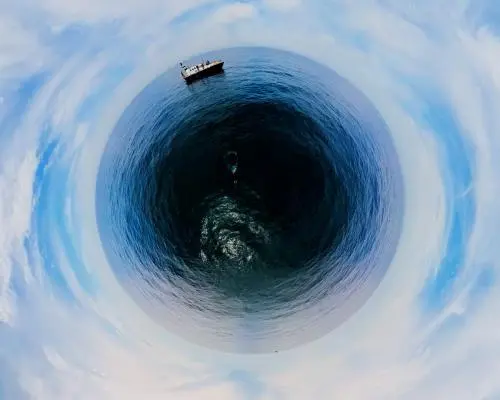
One of the most striking examples of this capability involves extreme weather monitoring. Marine technology firm Oshen recently deployed three one-meter-long C-Star sailboats into Hurricane Humberto. This mission marked a historic first for vessels of this size. Sending ocean robots into the eye of a hurricane seemed impossible just years ago. The successful deployment demonstrates the resilience and precision of modern marine robotics. These small, autonomous boats can navigate violent conditions safely. They collect critical data that larger ships cannot access. This breakthrough highlights the potential for smaller, smarter vessels in oceanography.
How Does Local Collaboration Drive Global Change?
The technology behind these robots is rooted in local academic research. Engineers and scientists work closely to refine navigation systems. They focus on energy efficiency and durability in harsh environments. The data gathered from such missions improves weather forecasting models. It also helps in understanding climate change impacts on ocean currents. This practical application of research attracts further investment to the area. Companies see value in partnering with institutions that have proven track records. The result is a robust pipeline of innovative maritime solutions.
The success of projects like the hurricane mission relies on deep community integration. Local businesses provide the manufacturing and testing facilities needed for rapid iteration. Universities supply the scientific expertise and skilled graduates. This tripartite relationship creates a self-sustaining ecosystem. It reduces the risk of brain drain by offering exciting local opportunities. Students gain real-world experience while contributing to major scientific goals. The community benefits from job creation in high-tech sectors. These roles often pay above the regional average. This economic uplift supports local infrastructure and services. The model proves that high-tech innovation can thrive outside traditional tech hubs. It offers a blueprint for other coastal regions seeking economic diversification.
Frequently Asked Questions
Looking ahead, the region aims to expand its focus on sustainable ocean technologies. Researchers are exploring new methods for cleaning plastic waste from seas. They are also developing tools for monitoring marine biodiversity. These initiatives align with global environmental goals. The university continues to play a pivotal role in coordinating these efforts. It acts as a neutral ground for collaboration between diverse stakeholders. As the sector grows, the demand for specialized skills will increase. Training programs are being updated to meet this need. The long-term outlook is positive for both the environment and the local workforce. This integrated approach ensures that progress is both technological and social.
What specific technology did Oshen deploy in Hurricane Humberto? Oshen sent three one-meter-long C-Star sailboats into the hurricane. This was the first time vessels of this size attempted such a mission. The robots collected data from the storm's eye.
How does the university contribute to local economic growth? The university bridges research and industry, creating high-tech jobs. It attracts investment and retains local talent. This collaboration fosters a sustainable maritime innovation ecosystem.